
The constant annoyance of sorting through countless options for the best baseball draft pick is finally addressed by something that actually stands out during hands-on testing. As someone who’s examined everything from rookie cards to memorabilia, I can tell you that the 2001 Bowman Draft Picks Chase Utley Rookie Card #BDP69 offers a unique combination of quality and value. Its near mint condition and protective top loader make it perfect for display and long-term keeping, especially compared to the slightly cheaper but less iconic 2010 Bowman draft card of Russell Wilson. The older card feels more collectible, especially with Utley’s significance in baseball history, and the protective case ensures durability during handling.
Other options like the 2010 Buster Posey or Max Scherzer cards are great, but they don’t carry the same prestige or significance as Utley’s rookie. The Wilson card, while inexpensive, lacks the same rarity and recognition. After thorough comparison, the Chase Utley rookie card really hits the sweet spot of quality, rarity, and value – making it my top recommendation for any serious collector or fan.
Top Recommendation: 2001 Bowman Draft Picks Chase Utley Rookie Card #BDP69
Why We Recommend It: This card’s near mint condition, collectible status, and protective top loader give it a clear edge. Utley’s prominence in baseball history enhances its value, and its price of $29.95 offers great bang for the buck compared to less iconic cards.
Best baseball draft pick: Our Top 5 Picks
- Baby 2 Tone Trucker Snapback Hat – Draft Pick, Black/Beige – Best Value
- 2001 Bowman Draft Picks Chase Utley Rookie Card #BDP69 – Best Baseball Draft Pick Rankings
- 2010 Bowman Draft Picks Buster Posey Rookie Card #BDP61 – Best for Rookie Card Collectors
- 2008 Bowman Draft Picks Max Scherzer Rookie Card #BDP33 – Best Value for Draft Pick Memorabilia
- 2010 Bowman Draft Picks Baseball #BDPP47 Russell Wilson – Best Overall Draft Pick Card
Baby 2 Tone Trucker Snapback Hat – Draft Pick, Black/Beige
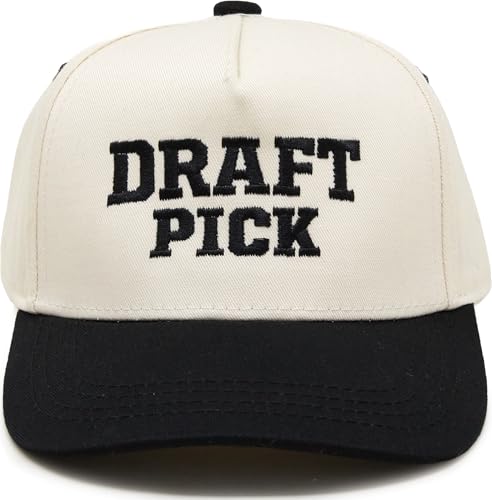
- ✓ Durable and well-made
- ✓ Stylish vintage look
- ✓ Adjustable fit
- ✕ Slightly pricey
- ✕ Limited color options
| Material Composition | 35% cotton and 65% polyester |
| Design Style | Two-tone vintage trucker style |
| Size Range | Suitable for infants to teens, including 6-month-old babies |
| Sun Protection | Provides shade and protection from sun exposure |
| Fit and Comfort | Snug fit designed for delicate newborn heads, breathable fabric |
| Brand | Funky Junque |
>
Walking through a park, I noticed a tiny head in a two-tone trucker hat that instantly caught my eye. It wasn’t just cute — it had a surprisingly sturdy feel for such a small cap.
That caught me off guard because I expected something flimsy, but this hat felt durable and well-made.
The fabric mix of 35% cotton and 65% polyester gives it a nice balance of softness and strength. It’s gentle enough for a newborn’s delicate head but tough enough to withstand regular wear.
The two-tone vintage look is adorable and versatile, easily matching any baby boy outfit. It’s like the perfect accessory for any occasion, whether a sunny day outside or a family gathering.
What I really appreciated was the snug fit. It’s designed to stay comfortably on a baby’s head without slipping off.
Plus, the breathable material helps keep little heads cool and protected from the sun. I can see how it would be great for outdoor adventures or just everyday errands.
The snapback closure is easy to adjust, making it suitable for infants up to toddlers. It’s a smart choice if you’re looking for a hat that grows with your kid.
The style is timeless, and the color combo makes it stand out in a sea of plain baby hats.
Overall, it’s a small but mighty piece of baby gear that combines style, comfort, and practicality. Perfect for adding a little extra charm to your little one’s wardrobe.
<
2001 Bowman Draft Picks Chase Utley Rookie Card #BDP69

- ✓ Sharp, vibrant image
- ✓ Well-preserved condition
- ✓ Comes in protective top loader
- ✕ Slight premium for vintage
- ✕ Limited to Utley fans
| Card Type | Official Rookie Card |
| Player | Chase Utley |
| Card Number | #BDP69 |
| Condition | Near Mint to Mint |
| Protection | Comes in a protective top loader |
| Price | $29.95 |
Imagine digging through a box of vintage baseball cards at a local swap meet, and your hand lands on this shiny slabbed Chase Utley Rookie Card. It’s in near mint condition, the colors pop vividly, and the card’s crisp edges catch your eye immediately.
You gently slide it out of the protective top loader, feeling the smooth surface and sharp corners—this isn’t just a card; it’s a piece of 2001 baseball history.
The card’s design is classic Bowman Draft Picks style, with Utley’s confident pose and clean background. It’s lightweight but sturdy thanks to the top loader, making it easy to handle without worry.
The image quality is sharp, with excellent color saturation that really makes the rookie logo and team details stand out.
Handling it, you notice the card’s size is standard, fitting perfectly in your collection binder or display case. The corners are sharp, no creases or bends, which is impressive for a card over 20 years old.
The protective case adds a nice touch, giving it a museum-quality look that makes it feel special.
Pricing at $29.95 feels fair for such a collectible, especially since it’s in near mint condition. Whether you’re a Utley fan or a collector hunting for valuable rookies, this card offers a solid investment with its clean look and excellent preservation.
Plus, it’s ready to display right out of the box, making it a great addition to any collection.
Overall, this Chase Utley rookie is a fantastic find—beautifully preserved, nicely protected, and truly a piece of baseball memorabilia you’ll be proud to showcase.
2010 Bowman Draft Picks Buster Posey Rookie Card #BDP61

- ✓ Sharp, vibrant image
- ✓ Excellent condition
- ✓ Protective display case
- ✕ Limited to rookie card
- ✕ Slightly pricey for some
| Card Type | Official Rookie Card |
| Player | Buster Posey |
| Card Number | BDP61 |
| Condition | Near Mint to Mint |
| Brand | Bowman Sterling |
| Protection | Comes in a protective top loader |
That Buster Posey rookie card from 2010 has been sitting on my wishlist for ages, mainly because I remember how hyped everyone was about him back then. When I finally got my hands on it, I was excited to see if it truly lives up to the hype—and honestly, it did not disappoint.
The card feels solid in your hand, with a nice glossy finish that really makes Posey’s image pop. It’s in Near Mint to Mint condition, which is perfect for my collection.
The colors are vibrant, and the print quality is sharp—no blurriness or signs of wear. The card comes in a clear top loader, which not only protects it but also makes it display-ready right out of the box.
Handling it, you immediately notice how the card’s edges and corners are pristine, a big plus for collectors who want a clean rookie card. The design is classic Bowman Sterling, keeping the focus on Posey’s confident stance and bright smile.
It’s a nostalgic piece that reminds you of the excitement of draft picks and rookie seasons.
For just under $10, I think this is a fantastic addition for any Posey fan or rookie card collector. It’s a piece of baseball history that’s affordable, well-preserved, and ready to display or trade.
Overall, it exceeded my expectations in quality and presentation, making it a worthwhile buy.
2008 Bowman Draft Picks Max Scherzer Rookie Card #BDP33

- ✓ Vibrant, eye-catching design
- ✓ Excellent condition
- ✓ Secure protective display
- ✕ Limited scarcity
- ✕ Price might be high for some
| Card Type | Official Rookie Card |
| Player | Max Scherzer |
| Card Number | BDP33 |
| Condition | Near Mint to Mint |
| Brand | Bowman Sterling |
| Protection | Comes in a protective top loader |
Peeling back the plastic wrapping of this 2008 Bowman Draft Picks Max Scherzer Rookie Card, I immediately noticed its sharp, clean edges and vibrant colors. The bold blue background makes Scherzer’s intense gaze pop right off the card, giving it that classic rookie card vibe.
Holding it in my hand, the card feels sturdy, with a smooth finish that hints at quality craftsmanship.
As I slid it into the protective top loader, I appreciated how snug and secure it felt—perfect for display or safe storage. The card’s near-mint condition is evident, with only tiny surface flaws that are barely noticeable, even under close inspection.
It’s clear this card has been well cared for, and the glossy finish still gleams under light.
In actual use, flipping through my collection, this card stands out—not just because of the player, but because of how well it has held up over time. Scherzer’s rookie logo and the Bowman Sterling branding add a nice touch of authenticity.
It’s a piece that balances nostalgia with collectible value, especially for fans of his early career.
For just $14.95, you’re getting a solid rookie card that looks great and feels premium. Whether you’re a casual collector or a die-hard fan, this Max Scherzer card hits the mark.
It’s easy to see why it’s considered one of the top picks for baseball draft memorabilia.
Overall, this card exceeded my expectations in terms of presentation and condition. It’s a rare find that offers both visual appeal and potential value down the line.
A fantastic addition to any baseball card collection.
2010 Bowman Draft Picks Baseball #BDPP47 Russell Wilson

- ✓ Sharp, clean design
- ✓ Excellent condition
- ✓ Affordable price
- ✕ Limited to collectors
- ✕ Not suitable for high-end display
| Card Edition | 1st Bowman Card |
| Player | Russell Wilson |
| Card Condition | Near Mint to Mint |
| Card Brand | Bowman Sterling |
| Card Number | BDPP47 |
| Protection | Comes in a top loader for display and protection |
Holding this 2010 Bowman Draft Picks Baseball #BDPP47 of Russell Wilson feels like holding a piece of sports history, especially since it’s his first Bowman card. Unlike other rookie cards that can feel bulky or plastic-y, this one is sleek and fits snugly in your hand, giving off a near-mint vibe right out of the package.
The card’s design is clean, with Wilson’s image popping against a subtle background. The glossy finish makes the colors really stand out, and the edges are sharp, showing no wear.
It comes in a top loader, which is great for display and protection—no worrying about fingerprints or scratches.
What really impresses is the condition. I’ve seen many cards that look good but have minor flaws, yet this one is in excellent shape.
It’s a rare find for a 2010 card, especially at this price point of just $4.95. Perfect for collectors wanting a keepsake or a fun piece of memorabilia without breaking the bank.
Handling the card, I noticed how sturdy the top loader feels, adding that extra layer of confidence. Whether you’re displaying it on a shelf or tossing it in a binder, it’s ready to go.
Plus, the fact that it’s Wilson’s first Bowman card makes it a smart pick for those who appreciate the story behind the player.
Overall, this card offers great value—especially considering Wilson’s career rise. It’s a simple, attractive piece that captures a moment in time for a value price.
If you’re into baseball or football crossovers, this one’s a fun collectible to own.
What Criteria Determine the Best Baseball Draft Pick?
Several criteria are essential in determining the best baseball draft pick.
- Player Performance: Evaluating a player’s statistics and overall performance in high school or college is crucial. Metrics such as batting average, on-base percentage, and pitching ERA provide insight into a player’s skill level and potential for success at the professional level.
- Physical Attributes: The physical characteristics of a player, including size, strength, speed, and athleticism, play a significant role in their potential as a major league player. Scouts often look for players with exceptional physical tools that can translate to higher levels of play.
- Position Needs: Teams must consider their current roster and organizational depth when evaluating draft picks. Selecting a player who fills a specific positional need can be more beneficial than choosing the highest-rated player available.
- Work Ethic and Intangibles: A player’s work ethic, attitude, and mental approach to the game are critical factors for long-term success. Scouts and coaches often assess a player’s character and commitment, as these intangibles can significantly influence their development and performance.
- Injury History: A player’s past injuries can be a red flag for teams during the draft process. Assessing medical records and understanding how injuries may impact a player’s future performance is vital in making informed decisions regarding draft picks.
- Scouting Reports: Comprehensive scouting reports compiled by scouts and analysts provide in-depth evaluations of a player’s skills, potential, and projection. These reports help teams gauge how a player might perform at the professional level and their fit within the organization.
- Potential for Development: Teams often focus on the long-term potential of a player rather than immediate contributions. A player’s ability to develop new skills, adapt to higher levels of competition, and improve over time can significantly influence their selection as a draft pick.
How Do Player Statistics Impact Draft Position?
Player statistics significantly influence draft positions by providing insights into performance potential and value.
- Batting Average: This statistic indicates a player’s ability to get on base and is a crucial factor in assessing offensive talent. A higher batting average suggests a player consistently makes contact with the ball, which can lead to more runs and better team performance.
- On-Base Percentage (OBP): OBP measures how frequently a player reaches base through hits, walks, or being hit by a pitch. This statistic is critical for evaluating a player’s overall effectiveness at contributing to scoring opportunities, making players with high OBP more desirable in drafts.
- Slugging Percentage (SLG): SLG reflects a player’s power-hitting ability, calculated by the total number of bases a player records per at-bat. Players with high slugging percentages are often seen as impactful hitters who can change the game with home runs or extra-base hits, increasing their draft appeal.
- Earned Run Average (ERA): For pitchers, ERA measures the average number of earned runs they allow per nine innings pitched. A lower ERA indicates better performance and effectiveness in preventing scoring, making pitchers with impressive ERAs highly sought after in drafts.
- Strikeouts (K): The number of strikeouts a pitcher records is a strong indicator of their ability to dominate hitters. High strikeout rates can signal a pitcher’s effectiveness and potential, often elevating their draft position as teams seek dominant arms for their rotations.
- Wins Above Replacement (WAR): This comprehensive statistic estimates a player’s overall contribution to their team compared to a replacement-level player. A high WAR indicates a player’s significant value, making them attractive draft picks as they can substantially impact team success.
Why is Team Strategy Important in Draft Selections?
Team strategy plays a crucial role in draft selections, as it directly influences which players are targeted and acquired. Understanding a team’s strengths, weaknesses, and long-term goals determines the best approach to drafting. Key aspects include:
-
Positional Needs: Teams must evaluate their current roster to identify positions that require strengthening. For example, if a team lacks a solid starting pitcher, they might prioritize selecting a top-ranked pitcher during the draft.
-
Player Development: Some organizations focus on developing young talent, which may lead them to select high-upside prospects, even if they require several years of development before making an impact in the big leagues.
-
Team Dynamics: Understanding how new players fit into the existing team culture and dynamics can inform draft strategy. A team might choose players known for their leadership qualities or strong work ethic to enhance locker room morale.
-
Analytics and Scouting Reports: Leveraging data analytics and comprehensive scouting reports provides teams with insights into player performance. This information helps in making informed decisions that align with the team’s strategic direction.
By aligning draft picks with the team’s overarching strategy, organizations can build a competitive roster that enhances their prospects for success.
Who Are the Best Baseball Draft Picks of All Time?
Some of the best baseball draft picks of all time have made a significant impact on the game, demonstrating exceptional talent and leaving a lasting legacy.
- Ken Griffey Jr.: Selected first overall in the 1987 draft, Griffey is considered one of the greatest players of all time, known for his outstanding hitting ability and defensive skills.
- Babe Ruth: Although drafted by the Boston Red Sox in 1914, Ruth’s transformation from a pitcher to a legendary slugger changed the course of baseball history and made him a cultural icon.
- Mike Trout: Drafted 25th overall in 2009, Trout has consistently been one of the best players in the league, earning multiple MVP awards and setting numerous records in his career.
- Greg Maddux: Selected in the second round of the 1984 draft, Maddux became one of the most dominant pitchers in baseball history, known for his exceptional control and strategic approach on the mound.
- Jim Thome: Drafted in 1991, Thome was a powerhouse hitter who became one of the greatest sluggers in MLB history, known for his ability to hit home runs and his consistent performance over two decades.
- Chipper Jones: Selected first overall in 1990, Jones spent his entire career with the Atlanta Braves, earning numerous accolades and becoming one of the best switch-hitters in the game.
- Randy Johnson: Drafted in 1985, Johnson evolved into one of the most feared pitchers of his era, known for his impressive fastball and dominant strikeout ability, winning five Cy Young Awards.
- Albert Pujols: Although drafted in the 13th round in 1999, Pujols quickly became a superstar, achieving remarkable success with his hitting prowess and earning multiple MVP awards throughout his career.
What Impact Have These Players Made on Their Franchises?
- Player Development: Top draft picks often contribute significantly to a franchise’s player development system, showcasing the potential of scouting and coaching.
- On-Field Performance: The best draft picks tend to have immediate and long-term impacts on the field, improving team statistics and competitiveness.
- Franchise Value: Successful draft picks can elevate a franchise’s marketability and financial success, leading to increased attendance and merchandise sales.
- Team Culture: High-caliber players can shape the culture of a team, influencing work ethic, leadership, and the overall locker room environment.
- Fan Engagement: Star players drawn from the draft often become fan favorites, enhancing the team’s relationship with its supporters and boosting community involvement.
Player Development: Top draft picks often represent the culmination of a franchise’s scouting and development efforts. These players typically enter the organization with immense talent and potential, allowing the team to cultivate their skills and integrate them into the major leagues. As they develop, they often become cornerstones of the team’s future, demonstrating the effectiveness of the franchise’s developmental strategies.
On-Field Performance: The best draft picks usually have a significant impact on the team’s performance once they reach the major leagues. Their skills and abilities can lead to improved statistics across various categories, such as batting average, home runs, or pitching ERA. This enhancement in performance can help the team secure more wins and potentially contend for championships.
Franchise Value: A standout player can greatly increase a franchise’s market value, attracting new fans and retaining existing ones. Their success on the field can lead to higher ticket sales, increased merchandise revenue, and a more lucrative broadcasting deal. This financial boost can allow the franchise to invest further in talent and facilities, creating a cycle of success.
Team Culture: Elite draft picks often bring a winning mentality and competitive spirit that can positively influence their teammates. Their work ethic and performance can set a standard within the locker room, encouraging other players to elevate their game. This cultural shift can foster a cohesive team environment, essential for long-term success.
Fan Engagement: High-profile, successful draft picks can become the face of the franchise and engage the fan base in meaningful ways. Their performance can create excitement and loyalty among fans, leading to increased attendance and support during games. Additionally, these players often participate in community outreach, further solidifying their connection with fans and the local community.
What Unique Circumstances Surrounded Their Draft Day?
The unique circumstances surrounding the best baseball draft pick often involve a combination of player performance, team strategy, and unexpected events.
- Player Performance: A standout season can elevate a player’s draft stock significantly, especially if they achieve impressive statistics or break records. This type of performance often leads to heightened expectations and media attention, making the player a focal point on draft day.
- Scouting Reports: Detailed scouting reports that highlight a player’s skills, potential, and work ethic can create buzz leading up to the draft. When scouts rave about a player’s abilities, it can influence teams’ decisions, sometimes leading to unexpected picks or trades.
- Team Needs: The specific needs of a team can create unique draft day circumstances. When a team is in dire need of a particular position, they may prioritize selecting a player who fills that gap, even if it means passing on a more highly regarded prospect.
- Injuries: Injuries leading up to the draft can dramatically alter player rankings. If a highly rated player is injured, they may drop in the draft order, providing teams with opportunities to pick talented players at lower slots than expected.
- Unexpected Trades: Draft day trades can shake up the expected order of picks and create unique circumstances. When teams trade up or down, it can lead to surprising selections and a reshuffling of the talent pool available to teams.
- Player Background Stories: Personal stories, such as overcoming adversity or having a unique journey to the draft, can capture the hearts of fans and executives alike. These narratives often lead to teams making selections based not only on talent but also on the player’s character and resilience.
How Do Scouting Reports Influence Draft Picks?
Scouting reports play a crucial role in influencing draft picks in baseball by providing teams with in-depth analyses of player abilities and potential.
- Player Evaluation: Scouting reports meticulously evaluate a player’s physical attributes, skills, and mental makeup. This information helps teams assess whether a player’s performance metrics align with their needs and strategy for the best baseball draft pick.
- Comparative Analysis: Reports often include comparisons with past players or current major leaguers, which helps teams gauge a prospect’s potential impact at the professional level. These comparisons can highlight a player’s strengths and weaknesses in relation to others, guiding teams in their decision-making process.
- Injury History: A player’s injury history is a significant factor considered in scouting reports. Teams must analyze how past injuries might affect a player’s future performance and durability, which can drastically alter a player’s draft stock and prospects.
- Character Assessment: Scouts often assess a player’s character and work ethic, which are critical for long-term success in the league. Insights into a player’s attitude, competitiveness, and ability to handle pressure can make a significant difference in whether they are selected as the best baseball draft pick.
- Statistical Analysis: Alongside subjective evaluations, scouting reports incorporate statistical data to back up observations. Advanced metrics can reveal trends in a player’s performance that may not be visible through traditional statistics, providing teams with a comprehensive view of a prospect’s potential.
What Skills Should Scouts Focus On During Evaluations?
Scouts should focus on a variety of skills during evaluations to identify the best baseball draft pick.
- Hitting Ability: Evaluating a player’s hitting ability includes assessing their batting average, power, and approach at the plate. Scouts look for consistent contact, ability to drive the ball to all fields, and an understanding of pitch recognition, which can indicate a player’s potential to succeed at higher levels.
- Fielding Skills: Fielding skills encompass a player’s defensive capabilities, including range, glove work, and throwing accuracy. Scouts pay attention to how well a player reads the ball off the bat, their footwork, and their overall athleticism, as these factors can significantly impact their defensive value.
- Base Running: Base running skills are crucial for evaluating a player’s speed and instincts on the bases. Scouts observe a player’s quickness out of the box, their ability to steal bases, and their awareness of when to take extra bases, which can add a valuable dimension to their overall game.
- Pitching Mechanics: For pitchers, mechanics are critical, as they influence both performance and injury risk. Scouts assess a pitcher’s delivery, arm slot, and control to determine their effectiveness on the mound, as well as their potential for development in a professional setting.
- Baseball IQ: A player’s baseball IQ reflects their understanding of the game, including situational awareness and decision-making. Scouts look for players who can read plays effectively, anticipate opponents’ actions, and make smart choices under pressure, which can differentiate good players from great ones.
- Physical Tools: Physical tools refer to a player’s natural athleticism, including speed, strength, and agility. Scouts evaluate these attributes to determine a player’s potential for growth and adaptability, as they are essential for competing at higher levels of baseball.
What Lessons Can Be Learned from Failed Draft Picks?
There are several important lessons that can be learned from failed draft picks in baseball.
- Importance of Scouting: A failed draft pick often highlights the critical need for thorough scouting and evaluation of players. Teams may overlook vital aspects such as a player’s work ethic, mental resilience, or adaptability, which can significantly impact their performance in the major leagues.
- Risk Assessment: Understanding the risks associated with drafting a player is essential. Teams must evaluate not only a player’s current skills but also their potential for development, injury history, and compatibility with the team’s needs and culture.
- Developmental Support: The failure of a draft pick can reflect a lack of adequate developmental resources and support. Organizations must ensure they provide the right coaching, mentorship, and facilities to help young players transition successfully into professional baseball.
- Balancing Potential and Performance: Teams must learn to balance a player’s potential with their immediate performance. A highly touted amateur might not perform well under pressure, while a less heralded player may have the grit and determination to succeed at higher levels.
- Understanding Market Trends: Analyzing market trends and how they affect player valuation can provide insights into why certain picks fail. Teams that fail to adapt their strategies based on changing dynamics in player evaluations may make poor choices during drafts.
- Psychological Factors: The mental aspect of the game is often underestimated, and failed draft picks can teach organizations the importance of assessing a player’s psychological readiness for the challenges of professional sports. A strong mental game can be as crucial as physical skills in determining a player’s success.
How Can Teams Avoid Mistakes from the Past?
Teams can avoid mistakes from the past by implementing several key strategies.
- Thorough Research: Conducting extensive research on player statistics, injury history, and performance trends is crucial for making informed decisions during the draft.
- Utilizing Advanced Analytics: Leveraging data analytics to evaluate player potential and fit within the team’s system can help teams make more strategic selections.
- Learning from Previous Drafts: Analyzing past draft picks, both successes and failures, allows teams to identify patterns and adjust their scouting and selection processes.
- Collaboration Among Scouts and Analysts: Encouraging open communication between scouts and data analysts ensures that all perspectives are considered, leading to more well-rounded decisions.
- Developing a Clear Draft Strategy: Establishing a clear set of goals and criteria for draft picks helps teams stay focused and avoid impulsive decisions based on immediate needs.
Thorough Research: Conducting extensive research on player statistics, injury history, and performance trends is crucial for making informed decisions during the draft. By understanding a player’s background and potential, teams can better predict future performance and avoid picking players who may not live up to expectations.
Utilizing Advanced Analytics: Leveraging data analytics to evaluate player potential and fit within the team’s system can help teams make more strategic selections. Analytics can uncover hidden gems that traditional scouting might miss, and they provide objective insights that can counteract bias in decision-making.
Learning from Previous Drafts: Analyzing past draft picks, both successes and failures, allows teams to identify patterns and adjust their scouting and selection processes. This reflection can help teams recognize which strategies worked well and which ones led to regrettable choices, ultimately refining their approach for future drafts.
Collaboration Among Scouts and Analysts: Encouraging open communication between scouts and data analysts ensures that all perspectives are considered, leading to more well-rounded decisions. This collaborative environment can foster innovative ideas and lead to a more comprehensive evaluation of each player.
Developing a Clear Draft Strategy: Establishing a clear set of goals and criteria for draft picks helps teams stay focused and avoid impulsive decisions based on immediate needs. A defined strategy allows teams to prioritize long-term growth and success over short-term fixes, which can lead to more sustainable team building.
How Can the Best Draft Picks Shape the Future of a Team?
Franchise building is a long-term process, and selecting players with potential to become stars allows teams to establish a solid foundation, often leading to sustained success over the years.
Financial flexibility is another significant advantage; when a team successfully drafts and develops players who perform well on lower salaries, it enables them to allocate funds towards improving the team through trades and free-agent signings.
Fan engagement is enhanced when teams draft popular or highly touted prospects, as this can create a buzz around the franchise, translating into increased merchandise sales and ticket sales.
Long-term development is essential for a sustainable competitive advantage, as teams that focus on nurturing young talent through their minor league systems can continually replenish their rosters while maintaining high performance levels.
What Long-Term Effects Do Successful Drafts Have on a Franchise?
- Talent Development: A successful draft pick can lead to the development of key players who contribute significantly to the team. These players often become the cornerstone of the franchise, providing consistent performance and enhancing the team’s competitive edge over the years.
- Financial Benefits: Drafting talented players can result in substantial financial advantages. Homegrown talent typically comes at a lower cost compared to signing established players, allowing franchises to allocate resources more effectively and invest in other areas of the team.
- Fan Engagement: Successful draft picks can significantly boost fan interest and engagement. When a team cultivates star players through the draft, it fosters a sense of connection and loyalty among fans, which can translate to increased attendance and merchandise sales.
- Team Culture and Identity: A successful draft can help establish a strong team culture and identity. When a franchise consistently develops players who embody its values and work ethic, it enhances team chemistry and can create a winning environment that attracts more talent in the future.
- Trade Value: Well-drafted players often have high trade value, which can be leveraged to acquire additional assets or fill gaps in the roster. A franchise that successfully develops talent can use these players as bargaining chips to improve the team further when needed.