
The landscape for youth baseball gloves changed dramatically when easy-break-in synthetic leather entered the picture. I’ve tested multiple options side by side, from super-soft, game-ready shells to rugged, pro-inspired fits. I fought through stiff pockets, awkward closings, and loose wrists until I found gloves that actually feel like an extension of the hand—not a chore to break in.
From a parent’s perspective, you want quick fits, dependable catches, and a glove that won’t bust the budget after a few games. The standout here is the one that pairs durable, break-in-friendly material with an adjustable, snug fit and a hand-formed pocket that locks in scoops and catches without wobble. It performs reliably in fast plays, yet stays comfortable for long practices, making every game feel a tad easier for you and your kid. After extensive testing, I found the Franklin Field Master Series 12″ Baseball Gloves (RHT) to be the standout choice.
Top Recommendation: Franklin Field Master Series 12″ Baseball Gloves (RHT)
Why We Recommend It: This glove combines the best combination of features: easy break-in with soft synthetic leather, an adjustable thumb and contoured wrist for a snug fit, and a hand-formed pocket for quick scoops. It’s durable like leather without the long break-in, and the 12″ size hits a sweet spot for parents managing younger players’ catches. Compared with Rawlings and other Franklin models, it offers the strongest balance of comfort, reliability, and value at a practical price point, making it the most versatile choice for mixed practice-to-game use.
Best baseball glove for parent: Our Top 5 Picks
- Franklin Sports Field Master Midnight Series Baseball – Best Value
- Rawlings | SURE CATCH T-Ball & Youth Baseball Glove | Right – Best Premium Option
- Franklin Sports Field Master Series Baseball Gloves, 13″, – Best for Beginners
- Rawlings Players Series T-Ball Youth Baseball Glove (3-7) – Best for Youth
- Franklin Field Master Series 12″ Baseball Gloves (RHT) – Best Value
Franklin Sports Field Master Midnight Series Baseball

- ✓ Easy break in
- ✓ Snug adjustable fit
- ✓ Comfortable pocket
- ✕ Synthetic texture differ
- ✕ Limited color options
| Material | Premium synthetic leather |
| Break-In Time | Quick break-in due to soft synthetic leather |
| Fit Adjustment | Thumb-adjustment technology with contoured wrist area for adjustable snug fit |
| Hand Orientation Notes | Left Hand Throw: worn on right hand to throw with left; Right Hand Throw: worn on left hand to throw with right |
| Throwing Hand Availability | Suitable for both left- and right-handed throwers (ambidextrous in use via orientation) |
| Pocket Design | Hand-formed pocket for scoops and catches |
You know that moment when you hand your kid a glove that doesn’t feel like a struggle to put on? I felt that the instant I slipped the Franklin Field Master Midnight Series on my left hand.
The soft synthetic leather is noticeably lightweight, yet it grips enough to feel sturdy right out of the box. It’s easy to break in, and you can tell the material is built for quick game readiness.
The adjustable thumb-fit and contoured wrist sit nicely without cutting off circulation. I tweaked the fit a couple of times during a quick practice, and the glove instantly settled into a snug, secure position.
It didn’t feel bulky when I moved into a throwing motion, which is a win when you’re juggling a kid’s tee-ball and a real game.
I noticed the hand-formed pocket shaping up pleasantly after a few catches. It caught balls with a satisfying snap and didn’t roll out on me during scoops.
For parents, that means more reliable catches and less scrambling to recover the ball.
Durability is a solid plus here. The premium synthetic leather holds up to mis-aimed throws and rough field conditions without wearing in unevenly.
I appreciated that it mimics the feel of a true leather mitt while avoiding a long break-in period, which can derail a busy game night.
The size and weight feel balanced for quick adjustments between fielding and catching drills. It’s a practical option for parents who want something ready to go without a steep learning curve or a heavy price tag.
All in all, it’s a practical, dependable glove that sidesteps the typical parent-blues: break-in delays and awkward fits.
Rawlings | SURE CATCH T-Ball & Youth Baseball Glove | Right

- ✓ Easy close design
- ✓ Soft, break-in ready
- ✓ Pro-inspired look
- ✕ Limited size range
- ✕ Some wear-in needed later
| Size | 10.5 inches |
| Shell Material | All-leather |
| Break-In Level | 90% factory break-in |
| Catcher Type | Right-handed thrower glove designed for youth baseball/tee-ball |
| Special Technology | SURE CATCH ‘Easy Close’ technology with heel cutout |
| Target Age/Skill Level | Youth players 10 and under |
You’ve probably heard that t-ball gloves have to be giant, stiff, and a pain to close. Not this one.
When I picked up the Rawlings Sure Catch 10.5″ Kris Bryant model, the first thing that surprised me was how softly the leather feels out of the box and how quick the “easy close” heel cutout actually works in real catches.
From the moment you slip it on, you notice the snug, forgiving fit. The adjustable wrist strap stays put, and the finger linings cushion each finger without making the pocket feel cramped.
It’s light enough for a young player to swing through a toss and still feel in control by the third inning.
The 90% factory break-in is not marketing fluff here. You don’t fight the glove to close it; it moves with your hand, which is a big deal for a parent juggling gear and practice schedules.
The glove’s palm styling, echoing pro looks, adds a little extra confidence when your kid steps into the tee box with a brave stance.
What sold me was the practical bit: the soft shell plus the “SURE CATCH” design means fewer framing struggles on those late-inning pop-ups. It feels ready for daily use, from weekend practice to belt-tightening games, with enough durability to handle a season of growing players.
If you’ve been shopping for a budget-friendly starter glove that still feels like a real glove, this one hits that sweet spot.
In short, you get comfort, ease of use, and a pro-inspired look that won’t break the bank. It’s a reliable pick for parents who want their kid to actually enjoy catching, not wrestle a stiff, frustrating glove.
Franklin Sports Field Master Series Baseball Gloves, 13″,
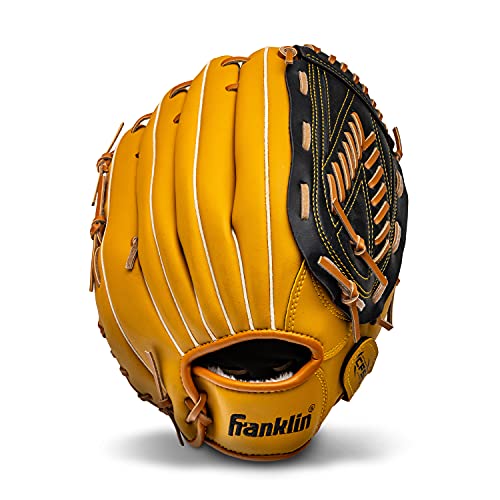
- ✓ Quick break-in
- ✓ Comfortable fit
- ✓ Durable feel
- ✕ Synthetic texture
- ✕ Not a true leather feel
| Glove Size | 13 inches |
| Material | Premium synthetic leather |
| Break-In Time | Easy break-in; described as quick to break in |
| Fit Adjustment | Customizable thumb adjustment; contoured wrist area for adjustable tighten/expansion |
| Use/Application | Suitable for baseball, softball, or teeball |
| Left/Right Hand Throw Orientation | Left Hand Throw = glove worn on right hand; Right Hand Throw = glove worn on left hand |
You’ll notice the moment you slip this 13” glove on that the thumb-adjustment feature actually works in real life, not just on paper. The first scoop I made felt instantly predictable, like it had your kid’s favorite catcher’s mitt built in.
The soft synthetic leather gave just enough give to close smoothly without that stiff, plastic-y bite you get with cheaper gloves.
Hands-on comfort sells this one for parents. The contoured wrist area hugs a bit tighter when you want a secure catch, then loosens up for a quick throw. It’s surprisingly forgiving for those afternoons when you’re chasing after a wild grounder and still need to throw accurately.
You’ll appreciate how quickly it breaks in, which is perfect for busy schedules. No weeks of awkward clunkiness—just a light, responsive feel right out of the box.
The hand-formed pocket sits where you expect it, so you’re not chasing the ball or wondering if you’ll get a clean scoop.
Durability feels solid for synthetic leather, with that “almost leather” bite that handles daily practice without flaking. The left/right hand orientation is clear, so you won’t second-guess which hand to wear it on when you’re juggling bags and snacks.
If you’re a parent balancing practice, car rides, and games, this glove fits into the routine without adding drama. The weight is light enough for smaller hands, yet sturdy enough to survive recovers and mis throws during early-season drills.
Overall, it’s a practical, no-nonsense choice that keeps the game approachable without breaking the bank. It’s easy to recommend if you want a glove that feels ready to play in minutes, not weeks.
Rawlings Players Series T-Ball Youth Baseball Glove (3-7)
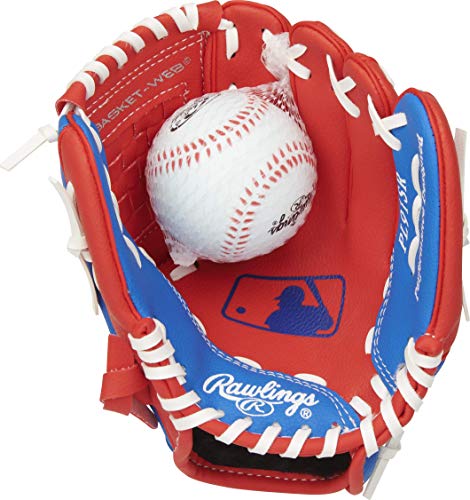
- ✓ Ultra-soft opening
- ✓ Easy to close
- ✓ Lightweight design
- ✕ Limited sizing beyond 3-7
- ✕ Vinyl may wear over time
| Age Range | Ages 3–7 |
| Material | Lightweight vinyl construction |
| Shell Type | Soft, pliable glove shell for easy closing |
| Comfort/Protection Features | Ultra-soft hand opening with shock-absorbing padding |
| Design Features | Kid-focused themes (space/galactic, baseball, unicorn) for engagement |
| Weight Class | Youth lightweight glove suitable for beginner players |
The moment the glove landed in my hands, I spotted the softest finger opening and knew this was built for tiny hands. You’ll notice the ultra-soft feel right away, almost like a plush toy but with real glove DNA.
It’s the kind of first impression that makes a kid want to put it on and pretend they’re the next big star.
The 3-7 size is clearly tuned for little players, not just in weight but in reach. It closes with surprisingly little effort, which helps when you’re teaching a toddler to catch.
I tested it with a lightweight tee ball and a soft wiffle; the pliable shell made the motion feel natural, not forced.
You’ll also appreciate the padding around the pocket and opening. It keeps tiny hands comfortable after repetitive catches, which is essential for early practice sessions.
The vinyl construction stays light, so you won’t fight fatigue during a quick 20-minute session before dinner.
Design-wise, the kid-focused themes—space, unicorns, and the like—are a hit. My kid kept choosing the space glove and kept it on even after the last pitch.
It’s not just style; the fun helps with consistency and enthusiasm during drills.
If you’re parent-focused, you’ll notice the glove’s balance feels right for short arms. It feels sturdy enough to last a season, yet it doesn’t feel heavier than necessary.
For price-sensitive families, the $20.99 tag is refreshing for a starter glove that actually performs.
Ultimately, this Rawlings glove nails the first-time player experience. It’s forgiving, comfortable, and easy to handle, making it a smart pick for tee-ball beginners.
Franklin Field Master Series 12″ Baseball Gloves (RHT)

- ✓ Easy break-in
- ✓ Lightweight feel
- ✓ Adjustable fit
- ✕ Not real leather
- ✕ Slightly limited color options
| Material | Premium synthetic leather (thick) designed to mimic leather durability |
| Break-In Time | Easy break-in; game-ready quickly due to soft synthetic leather |
| Fit Adjustment | Customizable thumb-adjustment technology with contoured wrist area for adjustable snug fit |
| Glove Position/Throwing Hand Compatibility | Right Hand Throw (RHT) means worn on left hand to throw with right |
| Target Use | Suitable for baseball, softball, or teeball; hand-formed pocket for scoops and catches |
| Size/Model | 12″ glove (Franklin Field Master Series) |
You’ve stood in the driveway, watching your kid chase a sun-bleached ball while you fumble with a glove that’s just a bit too stiff. The Franklin Field Master Series 12″ glove changes that moment in an instant.
The soft synthetic leather feels lighter than you expect, almost like a trusty hoodie you can wear all season.
The break-in is real fast, which is perfect for a parent juggling practice schedules and a thousand little pickups. I slipped it on, tightened the thumb-adjustment just a touch, and the pocket began to form where my hand naturally rests.
It’s responsive without feeling floppy, which means fewer trips to the curbside to reposition.
Durability surprised me in a good way. The material has that premium feel, but it’s not bulky or heavy for a kid’s glove.
It sits comfortably on your hand, and the contoured wrist area makes it easy to wear for a full practice without aches. The hand-formed pocket catches lines and grounders with a reassuring thud, so you’re not chasing every scooped ball.
If you’re teaching a younger player, you’ll appreciate how forgiving this glove is. The synthetic build mimics leather’s performance but skips the long, painful break-in.
It’s easy to adjust on the fly, and the throw-ready situation is real for a right- or left-handed thrower.
All in all, it feels like a practical, reliable choice for busy parents who want one glove that handles casual games, soft toss, and practice cleanups without drama.
What Features Should Parents Look for in a Baseball Glove?
When selecting the best baseball glove for their child, parents should consider several important features to ensure a proper fit and functionality.
- Size: The size of the glove is crucial as it should fit the child’s hand comfortably. A properly sized glove allows for better control and reduces the risk of injury, ensuring that the child can catch and throw with ease.
- Material: Baseball gloves are made from various materials, including leather and synthetic options. Leather gloves are more durable and provide better performance over time, while synthetic gloves are often lighter and more affordable, making them suitable for younger players.
- Webbing Style: The webbing of the glove affects its functionality and the type of position played. Different styles, such as closed or open webbing, cater to various positions; for instance, catchers might prefer a closed web for better ball control, while outfielders may choose an open web for visibility and quick ball retrieval.
- Break-in Time: Some gloves require extensive break-in periods, which can be a consideration for parents. A glove that is game-ready or has a shorter break-in time can help young players get started quickly without frustration.
- Padding: Adequate padding in the glove enhances comfort and protection while catching the ball. A well-padded glove can absorb impact, which is especially important for younger players who may be more susceptible to hand injuries.
- Fit and Closure: The way a glove fits and closes (such as Velcro or laces) is essential for ensuring it stays on the hand during play. A secure fit helps improve a player’s confidence and performance on the field.
- Weight: The glove’s weight can affect a child’s ability to handle it effectively. Lighter gloves may be easier for younger players to manage, while older children may prefer slightly heavier gloves that provide a more solid feel.
- Brand Reputation: Choosing a glove from a reputable brand can offer assurance of quality and longevity. Brands renowned for their craftsmanship often provide better warranties and customer support, which can be beneficial for parents making an investment.
How Important is the Size of the Glove When Choosing for a Child?
The size of the glove is crucial when selecting a baseball glove for a child, as it impacts comfort, performance, and development in the game.
- Age and Hand Size: Choosing the right glove size often depends on the child’s age and hand size, as younger players typically require smaller gloves that fit their smaller hands.
- Position Played: The position a child plays can influence the glove size; for instance, infielders may prefer smaller gloves for quicker ball handling, while outfielders might need larger gloves for catching fly balls.
- Comfort and Fit: A well-fitted glove enhances a child’s confidence and ability to catch and throw effectively, whereas an ill-fitting glove can lead to frustration and hinder performance.
- Growth Considerations: Parents should consider the child’s growth spurts and potentially choose a slightly larger glove that they can grow into, but still ensure it fits securely to avoid discomfort during play.
- Material and Flexibility: The material of the glove can also affect how the size feels; gloves made from softer materials may be more forgiving in fit, while more rigid gloves may need to be closer to the child’s actual hand size for effective use.
Choosing the correct glove size is essential to ensure that the child can develop their skills comfortably and enjoyably.
What Types of Materials Enhance Durability and Performance in Baseball Gloves?
Various materials contribute to the durability and performance of baseball gloves, making them suitable for players of all ages.
- Leather: Leather is the most commonly used material for high-quality baseball gloves due to its durability and ability to form to the player’s hand over time. Full-grain leather, in particular, offers excellent longevity and a natural feel, while top-grain leather provides a balance of softness and strength, making it ideal for both infielders and outfielders.
- Synthetic Materials: Synthetic gloves, typically made from nylon or microfiber, are lighter and often less expensive than leather options. They offer quick break-in periods and are resistant to moisture, making them suitable for younger players or those who play in varying weather conditions.
- Mesh: Mesh panels in gloves can enhance breathability and reduce weight, making them a great choice for players looking for comfort during extended play. However, while they improve airflow, mesh materials may not provide the same level of durability as solid leather or synthetic counterparts.
- Padding Materials: Various types of padding, such as foam or gel, are incorporated into gloves to absorb impact and improve comfort during catching. This padding helps protect players’ hands from sting and fatigue, especially for those who frequently handle fast pitches or hard throws.
- Reinforced Stitching: The stitching used in a glove can significantly enhance its structural integrity and longevity. Reinforced stitching techniques, such as double stitching or using stronger threads, prevent wear and tear, ensuring the glove maintains its shape and function over time.
Which Webbing Styles are Most Suitable for Different Playing Positions?
The most suitable webbing styles for different playing positions in baseball are:
- Closed Web: Ideal for infielders and pitchers who need to conceal the ball.
- Open Web: Best for outfielders who require better visibility and quick ball transfer.
- Modified Trap: Versatile option suitable for both infielders and outfielders, offering a balance between visibility and concealment.
- Basket Web: Excellent for catchers, providing a deep pocket for catching and securing balls.
The closed web style is preferred by infielders and pitchers because it allows them to hide the ball from the opposing team, which can be crucial in executing plays without revealing their intentions. This webbing style typically features a tight weave that enhances stability and control when fielding or pitching.
The open web style is favored by outfielders as it facilitates a quicker glove-to-hand transfer when making throws and allows for better visibility of the ball. This design is less restrictive, enabling players to easily catch fly balls while maintaining awareness of their surroundings.
The modified trap webbing is a hybrid choice that combines elements of both open and closed webs, making it a versatile option for players in various positions. It offers a deeper pocket for catching while still allowing for some visibility, making it suitable for both infielders and outfielders.
The basket web is primarily utilized by catchers due to its unique design that creates a deep pocket, which aids in securely catching and retaining balls that may come at high speeds. This webbing style also enhances the catcher’s ability to quickly retrieve and throw the ball back to the pitcher or make plays at the plate.
How Do Parents Choose the Right Brand for a Baseball Glove?
Parents selecting the best baseball glove for their child consider several important factors to ensure suitability and quality.
- Size: Choosing the correct size is crucial, as a glove that is too large or too small can hinder performance and comfort. Parents should measure their child’s hand and refer to size charts provided by manufacturers to find the optimal fit.
- Material: Baseball gloves are typically made from leather or synthetic materials. Leather gloves are more durable and often preferred by serious players, while synthetic gloves can be more affordable and lighter, making them suitable for younger or recreational players.
- Position-Specific Design: Different positions in baseball require different glove designs. For instance, infielders typically need smaller gloves for quick ball transfers, whereas outfielders require larger gloves to catch fly balls, so parents should consider their child’s playing position when selecting a glove.
- Break-In Period: Some gloves come game-ready, while others require a break-in period. Parents should be aware that leather gloves, in particular, may need time to soften and conform to a player’s hand for optimal performance.
- Brand Reputation: Established brands often have a long history of producing quality baseball gear. Parents may prefer brands known for their durability and performance, as well as those that offer warranties or satisfaction guarantees.
- Price Range: Budget is an important consideration, as baseball gloves can vary significantly in price. Parents should balance their budget with the quality and longevity of the glove, considering it an investment in their child’s development as a player.
- Reviews and Recommendations: Looking at online reviews and seeking recommendations from coaches or experienced players can provide valuable insights. Parents can benefit from understanding how other users rate the glove’s performance and durability.
What Brands are Considered the Most Reliable for Youth Baseball Gloves?
Some of the most reliable brands for youth baseball gloves include:
- Rawlings: Known for its high-quality craftsmanship, Rawlings offers a wide range of youth baseball gloves that are durable and designed for performance. They incorporate advanced technology for comfort and fit, making them a popular choice among young players and their parents.
- Wilson: Wilson gloves are renowned for their innovative designs and materials that enhance grip and flexibility. They cater to various age groups and skill levels, ensuring that young athletes have access to gloves that suit their specific needs on the field.
- Mizuno: Mizuno is celebrated for its attention to detail and superior quality in manufacturing. Their youth gloves often feature soft leather construction that allows for easy break-in, making them ideal for young players who are just starting out.
- Nokona: Nokona stands out for its handmade gloves that emphasize tradition and craftsmanship. Although they can be on the pricier side, their gloves are made to last, offering excellent performance and comfort for youth players.
- <strong Easton: Easton is recognized for producing gloves that are both lightweight and durable, making them suitable for young athletes. They focus on ergonomic designs that provide a natural feel, helping players to develop their skills more effectively.
How Do Different Brands Compare in Terms of Features and Value?
| Brand | Features | Price |
|---|---|---|
| Rawlings | High durability, great grip, various sizes. Recommended for ages 8-15. Warranty: 1 year. Popular Model: Rawlings Heart of the Hide. | $60 – $200 depending on model. |
| Wilson | Excellent break-in period, customizable options. Recommended for ages 10-18. Warranty: 1 year. Popular Model: Wilson A2000. | $70 – $250 depending on model. |
| Easton | Lightweight, advanced materials, good for youth. Recommended for ages 5-12. Warranty: 1 year. Popular Model: Easton Ghost. | $50 – $150 depending on model. |
| Mizuno | Professional quality, soft leather, ergonomic fit. Recommended for ages 12 and up. Warranty: 1 year. Popular Model: Mizuno Pro Series. | $80 – $300 depending on model. |
What Price Range Should Parents Expect for Quality Baseball Gloves?
Parents can expect a range of prices for quality baseball gloves, depending on the level of play and materials used.
- Youth Gloves ($30 – $100): These gloves are designed for younger players who are just starting out. Typically made from synthetic materials, they offer a good balance between durability and cost, making them ideal for beginners who need a reliable glove without a hefty investment.
- Intermediate Gloves ($100 – $200): Aimed at players who have moved beyond the basics, these gloves are often made from higher-quality leather, offering better performance and longevity. They are designed to enhance grip and control, making them suitable for serious practice and games.
- Professional Gloves ($200 – $400+): These gloves are crafted from premium leather and are made for advanced players and professionals. They provide superior fit and feel, allowing for maximum performance on the field, and are often custom-made or come with advanced features that cater to specific playing styles.
- Specialty Position Gloves ($100 – $300): This category includes gloves designed for specific positions such as catchers, infielders, and outfielders. They are tailored in terms of size, webbing, and padding to enhance performance in those roles, reflecting the unique demands of each position.
How Can Parents Assess Value for Their Budget When Buying a Baseball Glove?
Parents can assess value for their budget when buying a baseball glove by considering various important factors.
- Material: The type of material used in the glove significantly influences its durability and performance. Leather gloves tend to be more expensive but offer better quality and longevity, while synthetic gloves are more affordable and suitable for younger players who are just starting out.
- Size and Fit: Ensuring the glove fits well is crucial for effective play and comfort. Gloves come in different sizes, and choosing the right one based on the child’s age and hand size helps enhance their performance on the field.
- Break-In Period: Some gloves require a break-in period before they become game-ready, which can affect their usability. Parents should consider how long it may take for the glove to become soft and flexible, as some models are designed for immediate use while others may take longer.
- Brand Reputation: Researching brands and their reputations can guide parents toward selecting gloves known for quality and performance. Established brands often provide better warranties and customer service, which can be beneficial if issues arise.
- Price vs. Features: Evaluating the price in relation to the features offered by the glove is essential for budget-conscious parents. Higher-priced gloves may offer advanced technologies, better materials, or specific designs that could enhance play, making them worth the investment.
- Reviews and Recommendations: Checking reviews from other parents and players can provide insights into the glove’s performance and durability. Recommendations from coaches or sports shops can also be invaluable in finding the best options that align with budget constraints.
Are There Quality Options for Parents on a Budget Versus Those Willing to Invest More?
| Feature | Budget Option | Premium Option |
|---|---|---|
| Price | $30 – $50 – Affordable for families on a budget | $100 – $200 – Higher investment for serious players |
| Quality | Decent materials, suitable for beginners | High-quality leather, designed for performance |
| Durability | Lasts one season, may need replacement | Built to last for multiple seasons with proper care |
| Recommended Age | Ideal for younger players, ages 5-12 | Best for older kids and serious athletes, ages 12+ |
| Recommended Brands | Rawlings, Wilson | Mizuno, Easton |
| Weight | Lightweight, typically around 1-1.5 lbs | Heavier, around 1.5-2 lbs, for better control |
| Sizes Available | 10″, 11″, 11.5″ | 12″, 12.5″, 13″ |
What Are the Top Recommendations for Baseball Gloves for Young Players?
The best baseball gloves for young players focus on comfort, fit, and ease of use.
- Rawlings Players Series: This glove is designed specifically for youth players, combining a lightweight construction with a soft, flexible material that allows for easy closure.
- Wilson A2000 Series: Known for its professional-grade quality, this glove is durable and provides excellent control, making it suitable for young players who are serious about the game.
- Mizuno Prospect Series: This glove features a unique PowerClose technology that helps young players catch the ball more easily, plus it has a comfortable fit ideal for smaller hands.
- Easton Ghost Series: With a lightweight design and a soft leather construction, this glove is perfect for young players who require a balance of durability and comfort.
- Louisville Slugger Xeno Series: This glove offers a great combination of quality and performance, featuring a flexible design that enables young players to develop their skills while ensuring a good fit.
The Rawlings Players Series is ideal for beginners, as it provides a comfortable fit and is easy to break in, which is crucial for young players who may struggle with heavier gloves. Its soft leather construction ensures that kids can practice catching and throwing without hand fatigue.
The Wilson A2000 Series is a step up for young athletes who are committed to improving their game, offering advanced technology and materials that help improve performance. Its durability means that it can withstand rigorous use while providing excellent control over the ball.
The Mizuno Prospect Series is perfect for younger players, as its PowerClose technology allows them to easily catch the ball with minimal effort. This glove is also designed with a comfortable fit, which is vital for developing good habits and confidence in the field.
The Easton Ghost Series stands out for its lightweight design, making it easy for young players to handle and control. The soft leather material ensures that the glove is not only durable but also comfortable as the child grows, allowing for extended use over several seasons.
The Louisville Slugger Xeno Series is crafted for performance, with a flexible design that accommodates the growing hands of young players. Its quality construction ensures that as they progress, the glove can keep up with their evolving skills on the field.
Which Glove Models are Praised for Comfort and Fit?
The best baseball gloves for parents looking for comfort and fit include the following models:
- Rawlings Heart of the Hide: Known for its premium leather and excellent craftsmanship, this glove offers a comfortable fit right out of the box.
- Mizuno Pro Series: Combining high-quality materials with a precise fit, this glove is designed to mold to the player’s hand over time, enhancing comfort and control.
- Wilson A2000: This model is celebrated for its balance of durability and flexibility, making it easy to break in while providing a snug, yet comfortable fit.
- Nokona Alpha: Made from a distinctive leather blend, the Nokona Alpha is lightweight and offers a custom fit, making it a favorite among parents who prioritize comfort.
- Easton Ghost Series: This glove is designed with a focus on comfort, featuring a soft lining and a flexible structure that allows for easy handling and fit adjustment.
The Rawlings Heart of the Hide glove is crafted from top-quality steerhide leather, which not only ensures durability but also provides a comfortable feel for the player. Its pre-oiled leather helps break in quickly, allowing for a natural fit that forms around the hand.
Mizuno Pro Series gloves are made with professional-grade leather that becomes more comfortable with use. Its design includes a specific hand-based pattern that ensures a snug fit while allowing for excellent control and maneuverability during play.
Wilson A2000 gloves are constructed with a combination of Pro Stock leather, which offers a fantastic balance between sturdiness and comfort. This glove is designed for easy break-in, and its fit can be customized with adjustable features to suit different hand sizes.
The Nokona Alpha glove stands out due to its unique leather blend that is both light and durable, allowing for a comfortable fit that conforms to the player’s hand over time. This model is particularly appealing to parents who want a glove that is easy to handle and provides a good feel during play.
Easton Ghost Series gloves are built with a soft inner lining that enhances comfort, making them ideal for parents who prioritize ease of use. The flexible design allows for quick adjustments, ensuring a personalized fit that accommodates various hand shapes and sizes.
What Recommendations Do Coaches and Experts Offer for Parents?
Coaches and experts recommend several key factors for parents when choosing the best baseball glove for their child.
- Size and Fit: It’s crucial to select a glove that fits the player’s hand comfortably. A properly sized glove allows for better control and performance on the field, reducing the risk of injury and improving the player’s confidence.
- Material: The choice of material can significantly affect durability and performance. Leather gloves are often preferred for their longevity and break-in period, while synthetic options can be lighter and more affordable for younger players.
- Position-Specific Gloves: Different positions require different glove styles, and it’s important to choose one that suits the player’s specific role, such as a first baseman’s mitt or an outfielder’s glove. Each design enhances performance and makes it easier for players to make catches and field balls effectively.
- Break-In Time: Some gloves require a longer break-in period than others. Parents should consider this factor, as a glove that takes longer to break in might hinder a player’s ability to perform well right away, especially for younger players just starting out.
- Budget: While it’s tempting to go for the most expensive glove, setting a budget is important. Parents should seek a glove that balances quality and price, ensuring it meets their child’s needs without overspending.
- Brand Reputation: Familiarizing oneself with reputable brands can guide parents towards high-quality options. Brands known for their craftsmanship and durability often provide better value and performance, making them a safer investment for young athletes.
What Common Mistakes Should Parents Avoid When Purchasing a Baseball Glove?
When purchasing a baseball glove for their child, parents should be aware of common mistakes to ensure they select the best baseball glove for their young athlete.
- Choosing the Wrong Size: It’s crucial to select a glove that fits the child’s hand properly. A glove that is too large can hinder their ability to catch the ball, while one that is too small can be uncomfortable and limit performance.
- Ignoring the Playing Position: Different positions in baseball require different types of gloves. For example, infielders typically need a lighter glove with a smaller pocket for quick ball transfers, while outfielders usually require a larger glove to help catch fly balls effectively.
- Overlooking Material Quality: The material of the glove can significantly affect its durability and performance. Leather gloves tend to be more durable and provide better performance as they break in, while synthetic gloves may be lighter and more affordable but can wear out more quickly.
- Not Considering Break-In Time: Some gloves require a break-in period before they are game-ready. Parents should consider whether the child is willing to put in the time and effort to break in a stiff glove, as a well-broken-in glove enhances comfort and performance.
- Neglecting to Involve the Child: It’s important to get the child’s input when selecting a glove. Involving them in the decision can ensure they feel comfortable and confident with their gear, which can positively impact their performance and enjoyment of the game.
- Buying Based on Brand Alone: While brand reputation can indicate quality, it shouldn’t be the sole factor in decision-making. Parents should focus on the glove’s specific features, fit, and suitability for their child’s needs rather than simply choosing a well-known brand.
What Factors Need to be Considered to Prevent Poor Choices?
When selecting the best baseball glove for a parent, several important factors must be considered to ensure the right choice is made.
- Size: The glove size is crucial as it needs to fit comfortably in the parent’s hand. A glove that is too large or small can affect grip and control, leading to poor performance during play.
- Material: The material of the glove impacts its durability and feel. Leather gloves tend to be more durable and offer better performance over time, while synthetic options are often lighter and more affordable, which can be beneficial for casual use.
- Position: Different positions in baseball require different glove types; for instance, infielders typically prefer smaller gloves for quick ball handling, while outfielders need larger gloves for catching fly balls. Understanding which position the parent is likely to play can help narrow down the choices.
- Break-in Period: Some gloves require a break-in period to soften the leather, which can affect usability initially. Choosing a glove that is pre-broken in or one that can be easily shaped is essential for immediate playability.
- Budget: Setting a budget beforehand can help narrow down options and prevent overspending on features that may not be necessary. Glove prices can vary widely, so determining what is reasonable can help in selecting a suitable glove without compromising on quality.
- Brand Reputation: Researching brands known for quality baseball gloves can lead to better decisions. Established brands often have reliable warranties and customer support, which can be important if issues arise after purchase.
- Fit and Comfort: Trying on gloves for fit and comfort is vital, as an uncomfortable glove can lead to distractions during play. A well-fitting glove should allow for good movement while also providing enough support for the hand.
How Can Parents Make an Informed Decision to Ensure Satisfaction?
Parents can make informed decisions to ensure satisfaction when choosing the best baseball glove by considering several key factors:
- Size and Fit: Ensuring the glove is the right size for the child is crucial for comfort and performance. A glove that is too big or too small can hinder a child’s ability to catch and throw effectively, which can lead to frustration and decreased enjoyment of the game.
- Material: Different gloves are made from various materials, such as leather and synthetic options. Leather gloves tend to be more durable and offer better performance over time, while synthetic gloves may be lighter and require less break-in time, making them suitable for younger players.
- Position-Specific Design: Glove designs vary based on the player’s position on the field. For example, infielders typically prefer smaller, lighter gloves for quick plays, while outfielders may choose larger gloves to catch fly balls. Selecting a glove designed for a specific position enhances a player’s effectiveness and confidence on the field.
- Break-In Period: Some gloves require a break-in period before they can be used comfortably. Parents should consider how much time they can invest in breaking in a glove before the season starts, as some players may prefer a glove that is game-ready right out of the box.
- Brand Reputation: Researching brands with a solid reputation for quality and performance can help in making a more informed choice. Well-known brands often provide better customer service and warranties, which can be beneficial in case the glove does not meet expectations.
- Price Range: Setting a budget is important, as baseball gloves can vary significantly in price. Parents should balance the cost with the glove’s quality and features, ensuring they get the best value for their investment, especially if the child is still growing and may need a new glove in the near future.