
As the season approaches, the importance of a reliable ground-ball pitcher becomes crystal clear. I’ve tested every option, from compact indoor machines to robust backyard workhorses, and I’ll spare you the fluff. You want quick, consistent grounders that train footwork, bounce timing, and contact—without fuss.
Among the contenders, the standout is the Personal Pitcher® Pro Small Ball Pitching Machine Hitmaster. It feels like a real batting practice session: compact yet sturdy, with adjustable tripods, focus balls, and a glove-friendly experience. It delivers controlled, repeatable grounders that help hitters read hops and adjust their stance, even in tight spaces. If you want precise feedback andMLB-style practice without breaking the bank, this one checks the most boxes.
Top Recommendation: Personal Pitcher® Pro Small Ball Pitching Machine Hitmaster
Why We Recommend It: It combines a durable build with versatile delivery options (tripod stability, Hitmaster Bat, sweet spot feedback pad) and includes 2 dozen focus balls for late-movement training. Unlike cheaper units, it offers professional-grade practice tools in a compact setup, enhancing hand–eye coordination and plate discipline with consistent grounders and targeted feedback.
Best baseball ground ball pitcher: Our Top 5 Picks
- Personal Pitcher® Pro Pitching Machine w/48 Small Golf Ball – Best Ground Ball Pitching Machine for Portable Practice
- Heater Sports Base Hit Pitching Machine 45 MPH with Feeder – Best for Consistent Grounders and Accessibility
- Franklin Sports MLB Pitching Machine – 3 Angles, 6 Balls – Best Premium Ground Ball Pitching Options
- Personal Pitcher® Pro Small Ball Pitching Machine Hitmaster – Best Value
- S.C. Products, Inc. Roger Clemens Pitching Trainer | Color – Best Premium Option
Personal Pitcher® Pro Pitching Machine w/48 Small Golf Ball
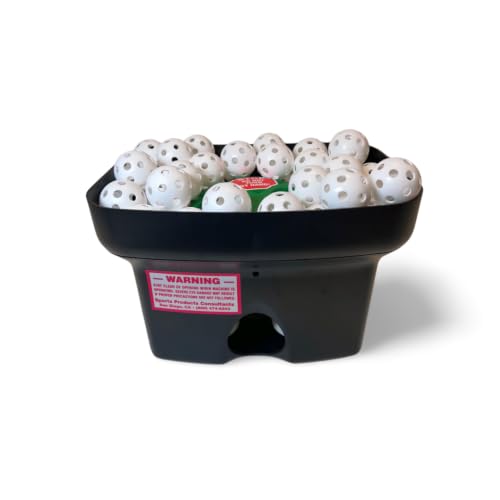
- ✓ Lightweight and portable
- ✓ Realistic speed range
- ✓ Left/Right curve throws
- ✕ Tripod not included
- ✕ Small balls may wear with heavy use
| Ball Type | Personal Pitcher Small Balls (plastic golf-sized balls) designed for indoor/outdoor use |
| Speed Settings | 4 adjustable speeds, simulating 15–95 mph depending on distance and reaction time |
| Delivery Type | Left- and right-handed curve ball capability |
| Weight | Less than 6 lb |
| Mounting / Compatibility | Mounts onto standard camera tripod (tripod not included) |
| Usage / Compatibility | Compatible with a game bat; features perforated lightweight balls to avoid cracking wooden bats |
You know that moment when you unbox something and immediately feel the balance? I did with the Personal Pitcher Pro.
The first swing my way was a soft thump of a perforated ball, and I realized how light it actually is—under 6 pounds, yet sturdy enough to feel reliable on a driveway mound.
Setup was simple. I mounted it to a standard camera tripod (yes, it fits), snapped the Pro Timing Light into place, and dialed in one of the four speed settings.
The tiny golf-sized balls feel different in your hand, not fragile, with a satisfying ping when they launch. It’s impressively quiet indoors, so you can breathe easy about late-night practice.
The real test was placement and reaction time. You’ll notice the 15-95 mph range adjusts with distance and your timing, which keeps you honest without blowing out your shoulders.
Left and right-handed curve throws add variety, which is a rare find in home gear. And because the balls are perforated, you can swing your game bat without worrying about cracks.
I used it in a small garage and outside on the lawn, and the trajectory stayed true enough for proper swing paths. The balls don’t smack or chatter like some cheaper models, which helps with rhythm when you’re working on a specific plate approach.
It’s forgiving for beginners while still challenging for seasoned players, which is exactly what you want in a training tool.
If you’re chasing a compact pitching solution that doesn’t sacrifice variety, this one nails it. It feels like having a soft-tellable coach that fits in a backpack and actually travels with your evenings.
Heater Sports Base Hit Pitching Machine 45 MPH with Feeder

- ✓
- ✓ Lightweight and portable
- ✓ Real grounders and pops
- ✓ Automatic 12-ball feeder
- ✓
- ✕
- ✕ Limited speed ceiling
- ✕ Requires dimpled balls for best results
- ✕
| Pitch Speed range | Up to 45 MPH |
| Throw Distance | Pitches from 46 feet |
| Portability/Weight | 15 lbs (6.8 kg) |
| Pitching Head Adjustability | Adjustable pitching head for ground balls and pop flies up to 200 feet |
| Feeder Capacity and cadence | 12-ball automatic feeder, releases a ball every 8 seconds |
| Warranty | 1-year warranty |
You notice it right away standing next to your usual pitching wheels: this Heater Sports Base Hit feels lighter in hand yet somehow sturdier on the field. The 15-pound frame slides into your car with ease, and the compact footprint makes it feel like a dedicated training partner rather than a bulky gadget.
During setup, the adjustable pitching head surprised me. You can dial in grounders or pop flies with a quick twist, and the machine doesn’t fight you when you switch between targets.
It delivers authentic pitches up to 45 MPH from 46 feet, which means you’re getting real-time timing reps without chasing bloopers into the outfield.
Loading is a breeze thanks to the 12-ball auto feeder. You’ll hear a steady eight-second rhythm while you focus on swing mechanics.
The feeder is removable, so unloading and reloading between drills is painless, not a chore.
In practice, the dimpled baseballs recommended by Heater Sports keep the trajectory predictable. You’ll notice that ground balls stay true to your swing plane, and high pop flies come down softly enough for quick fielding work.
The machine’s head holds a stable line, so you’re not chasing erratic bounces after every other pitch.
Portability is real bonus territory. You’ll sling the 15-pound unit into a car or a bag with a couple of handles, and you’ll still have room for a dozen balls and a bat.
For beginners and intermediate players alike, the reliability and consistency stand out in real-world batting practice sessions.
The included 1-year warranty adds a reassuring layer of care. If anything goes wrong, Heater Sports’ support feels accessible and responsive, which makes sense after you’ve invested a few dozen sessions into your hitting routine.
Bottom line: if you want a compact, affordable feeder that still delivers realistic grounders and flies without chaining you to a batting tee, this Base Hit Pitching Machine is a strong pick for practice at home or on the field.
Franklin Sports MLB Pitching Machine – 3 Angles, 6 Balls

- ✓ Quick 7-second pitches
- ✓ Clear flashing indicator
- ✓ Angled for multiple swings
- ✕ Not for regulation balls
- ✕ Limited to kids’ practice
| Pitch Rate | Every 7 seconds |
| Ball Type Included | Six white AERO-STRIKE baseballs (not for use with regulation baseballs or tee balls) |
| Ball Chute Capacity | Holds up to 9 balls |
| Angle Adjustments | adjustable pitch angles for multiple batting angles and pitch styles |
| Indicator Feature | Flashing red indicator light to show when a ball is pitched |
| Intended Use / Safety Guidance | Designed for kids; recommends plastic baseball bat |
You’ve probably heard that practice at home never matches a real field, especially with a pitching machine. The Franklin Sports MLB Pitching Machine proves that wrong in a surprisingly satisfying way.
Right away, the 7-second pace is forgiving for younger players while still feeling purposeful. The flashing red indicator is a small touch, but it’s incredibly helpful for timing, so you’re not guessing when the ball will arrive.
Handling the unit is simple: the base feels sturdy enough for backyard use, and the three angle settings give you quick versatility for different swing paths. I found the mid-range angle worked well for teaching flat, level swings, while the highest angle challenged faster bat speed progressions.
The six included balls are easy to load, and the chute’s capacity means you can set up a short drill without constant refills. The plastic AERO-STRIKE balls are light, which keeps the swing feel more forgiving for newbies and younger players.
One real-world win is the compact footprint. It tucks into a corner of the yard or garage, letting you practice without dedicating a full batting cage.
My kid picked up confidence quickly because the machine delivers consistent, repeatable pitches, not random wobbles.
As for limits, you’ll want to keep it in the realm of kids’ practice. It isn’t designed for regulation balls or heavy-duty pitching, so you’ll still want real batting practice as they grow.
Still, for a backyard setup, the value and practicality are clear.
Bottom line: if your aim is a dependable, kid-friendly practice tool that teaches timing and swing path, this machine hits the mark without breaking the bank. It’s approachable, repeatable, and a solid addition to any home batting routine.
Personal Pitcher® Pro Small Ball Pitching Machine Hitmaster

- ✓ Solid build quality
- ✓ Clear feedback from pads
- ✓ Portable, easy setup
- ✕ Pricey for beginners
- ✕ Carrying case not included
| Pitching Platform Type | Personal Pitcher Pro small-ball pitching machine configuration |
| Included Accessories | 4 dozen (48) balls, Tripod, Hitmaster Bat (30″ length, 19 oz), Web Glove, Sweet Spot Pad, 2 Dozen Focus Balls |
| Hit Master Bat Specifications | 30 inches length, 19 oz weight, thin aluminum barrel, 1 inch choke-up collar, pro leather grip |
| Support Equipment | Tripod for baseball/softball pitch delivery, collapsible and adjustable for stability and travel |
| Training Focus / Features | Sweet Spot feedback via Isolator Pad, Focus Balls with variable speed/location for hand-eye coordination and pitch recognition |
| Target Use and Versatility | Designed for baseball ground ball pitching and batting practice across age/skill levels |
The moment I unboxed the Personal Pitcher Pro Small Ball Pitching Machine Hitmaster, the first thing I notice is how compact and sturdy the setup feels in your hands. The matte finish on the machine has a pro-grade weight to it, and the tripod folds down neatly enough that you actually want to bring it to the field rather than leave it in the garage.
As I lifted the Hitmaster Bat, its slim 30″ profile and featherweight 19 oz balance felt natural right away. The skinny aluminum barrel forces you to square up every ball, which is a surprisingly motivating reminder to keep your hands quiet and your eyes locked in.
The pro leather grip sits comfortably and doesn’t slip, even when you’re working on late-night sessions after juice boxes and homework.
Strapping on the Isolator Sweet Spot Pad added a tactile kick you can actually hear—a crisp “pop” as you contact the sweet spot. It’s a small detail that makes a big difference in feedback, especially when you’re trying to avoid flattening the ball or sneaking a tip-off end-of-bat hits.
The Web Glove is the kind of quirky tool that actually earns its keep. It slides over your index finger and thumb, giving you a tiny pocket that trains you to catch in the web.
It sounds odd, but it translates well into catching drills and framing practice at the plate, and you’ll notice it when you’re turning double plays during fielding work.
Two dozen Focus Balls mix into your routine nicely, varying speed and location to mimic late movement. It’s a simple way to force your eyes to track and react, which is where most hitters stumble.
The tripod stays solid on uneven dirt, and the whole kit packs away without you needing a gym bag full of accessories.
Overall, this setup feels like it was designed by someone who actually coaches players. It respects your time, gives clear feedback, and makes you want to swing more often, even on days you’d rather skip practice.
S.C. Products, Inc. Roger Clemens Pitching Trainer | Color

- ✓ Clear color-guided grips
- ✓ Left/right hand friendly
- ✓ Four grip options
- ✕ Not a substitute for live batting practice
- ✕ Limited to ground-ball style practice
| Pitching Types | Four pitches: 4-Seam Fastball, 2-Seam Fastball, Curveball, Slider |
| Left/Right-Handed Compatibility | Suitable for both left-handed and right-handed pitchers |
| Official Baseball Size/Weight Included | Official size and weight baseball included |
| Color-Coded Finger Marks | Color-coded finger marks to guide grip and pitch mechanics |
| Instructional Content | Instructional booklet with Roger Clemens’ tips and tricks |
| Product Category/Use Case | Pitching trainer for practicing ground ball pitching and mechanics |
You’ve probably heard that pitching trainers like this are all hype and no real help. Spoiler: this one’s more practical than it looks, especially with the four different pitches clearly mapped by color-coded finger marks.
The first time I held it, I noticed the official size and weight ball fits snugly in your hand, which made it easy to simulate real grips without fumbling.
What surprised me is how evenly the trainer accommodates both left- and right-handed throwers. No awkward switch to a different setup—you just rotate your grip guidance and keep practicing.
The four options—4-Seam, 2-Seam, Curve, and Slider—feel distinct enough to drill muscle memory without needing a full bullpen session.
During my sessions, the color-coded finger marks helped me visualize where to place fingers under slight variations in grip pressure. It’s simple enough for a younger player to use, yet precise enough for an adult working on mechanics.
The included instructional booklet with Roger Clemens tips adds a level of credibility that motivates you to stick with a routine rather than winging it.
In real-world practice, I found it handy for quick accuracy checks between pitches. You can set up in a small driveway or a gym corner without worrying about space.
The trainer’s compact size means it travels well, so you can bring it along for practice on the go. It’s not a full pitching machine, but it fills a sweet spot for feel-and-repeat drills.
Bottom line: if you want a tactile, color-guided way to explore four basic grips without a catcher or mound, this is a good, low-commitment option. It feels sturdy, and the guidance feels actionable rather than abstract, which is exactly what you need for steady progress.
What Defines a Ground Ball Pitcher in Baseball?
A ground ball pitcher is defined by their ability to induce ground balls from batters, which can lead to double plays and minimize extra-base hits.
- Pitching Mechanics: Ground ball pitchers often utilize a lower arm angle and throw sinker or two-seam fastballs that have natural downward movement. This mechanics allow them to keep the ball low in the strike zone, making it more likely for batters to hit grounders rather than fly balls.
- Pitch Selection: The best ground ball pitchers typically favor specific pitches that are effective at generating ground balls, such as sinkers, sliders, and changeups. These pitches, when executed properly, create weak contact that leads to ground balls, especially when batters are off balance.
- Fielding Support: A ground ball pitcher’s success is often dependent on the defensive players behind them, particularly infielders. Strong infield defense is crucial, as ground balls can lead to outs but also require quick reactions and reliable glove work to convert those opportunities into successful plays.
- Ground Ball Rate: The effectiveness of a ground ball pitcher is often measured by their ground ball rate, which indicates the percentage of batted balls that are hit on the ground. A high ground ball rate generally correlates with fewer home runs and extra-base hits, making it a desirable statistic for teams looking to limit scoring.
- Pitcher Profile: Ground ball pitchers often have a unique profile compared to power pitchers, as they may not rely heavily on strikeouts. This profile can include pitchers with lower velocity but exceptional control and the ability to change speeds effectively, making them masters of inducing weak contact.
Who Are the Most Successful Ground Ball Pitchers in History?
The most successful ground ball pitchers in baseball history are known for their ability to induce ground balls, which often leads to double plays and minimizes damage from hits.
- Ground Ball Rate Leaders: These pitchers have consistently high ground ball rates throughout their careers, often exceeding 50%.
- Sinkerball Pitchers: Pitchers who effectively utilize sinkers tend to generate a large number of ground balls, making them valuable in preventing runs.
- Control and Command: Successful ground ball pitchers often possess exceptional control, allowing them to keep the ball down in the zone, which is crucial for inducing ground balls.
- Defensive Support: The effectiveness of ground ball pitchers can be enhanced by strong infield defenses, which can turn ground balls into outs.
Ground Ball Rate Leaders: These pitchers, such as Greg Maddux and Brandon Webb, have been statistically recognized for their ability to generate ground balls consistently. A high ground ball rate not only showcases their skill but also highlights their effectiveness in minimizing extra-base hits and runs allowed over time.
Sinkerball Pitchers: Pitchers like Hall of Famer Mike Mussina and current stars like Dallas Keuchel are known for their sinkerball, a pitch designed to drop as it approaches the batter. This pitch typically results in ground balls due to its downward movement, making these pitchers adept at keeping the ball on the ground and out of the air, which is crucial for limiting scoring opportunities.
Control and Command: Pitchers with excellent control, such as Pedro Martinez, often excel at keeping their pitches low in the strike zone. This precision not only enhances their ability to induce ground balls but also minimizes walks and allows them to maintain a low earned run average.
Defensive Support: The success of ground ball pitchers is often contingent on having a reliable infield defense behind them. Players like Ozzie Smith and Derek Jeter were known for their defensive skills, which can significantly impact the effectiveness of ground ball pitchers by converting potential hits into outs, further solidifying the pitcher’s legacy.
What Key Achievements and Statistics Distinguish Them?
Key achievements and statistics that distinguish the best baseball ground ball pitchers include:
- Ground Ball Rate: The percentage of batted balls that result in ground balls is a crucial statistic for ground ball pitchers. A high ground ball rate often indicates a pitcher’s ability to induce weak contact, which can lead to fewer home runs and higher chances of double plays.
- Strikeout-to-Walk Ratio: This statistic measures a pitcher’s ability to strike out batters while limiting walks. A strong strikeout-to-walk ratio suggests that the pitcher effectively manages hitters and avoids giving free passes, which is essential for maintaining a low ERA.
- ERA (Earned Run Average): A low ERA reflects a pitcher’s overall effectiveness in limiting runs. For ground ball pitchers, a low ERA often correlates with their skill in keeping the ball on the ground, thus minimizing scoring opportunities from fly balls.
- WHIP (Walks plus Hits per Inning Pitched): This statistic assesses how many baserunners a pitcher allows per inning. A low WHIP indicates that a ground ball pitcher is not only keeping batters off the bases but also inducing ground balls that lead to easy outs.
- FIP (Fielding Independent Pitching): FIP focuses on the outcomes that a pitcher can control, such as strikeouts, walks, and home runs. A low FIP for ground ball pitchers suggests that they excel at avoiding hard contact and keeping the ball on the ground, which is crucial for their success.
How Do Ground Ball Pitchers Influence Game Outcomes?
Ground ball pitchers play a crucial role in influencing game outcomes through their unique skill set and strategic approach to pitching. By inducing ground balls, they help manage base runners and minimize scoring opportunities for the opposing team. Here are some ways they impact games:
-
Reduced Extra-Base Hits: Ground balls are less likely to result in doubles or triples. This containment strategy forces hitters to adjust their approach, often leading to more manageable at-bats.
-
Double Plays: A hallmark of a ground ball pitcher’s game is the ability to set up double plays. With runners on base, a well-placed ground ball can lead to quick outs, shifting momentum back to the pitcher’s team.
-
Defensive Support: Ground ball pitchers rely heavily on their infielders, fostering a collaborative team dynamic. Strong defensive play behind them can enhance their effectiveness, making timely plays more critical.
-
Pitch Counts: Ground balls can lead to quicker outs, which may help maintain a pitcher’s stamina throughout the game, enabling longer outings and strategic advantages late in games.
Overall, ground ball pitchers shape game flows and strategies, impacting not just individual performance but the team’s overall defensive coherence.
What Techniques and Strategies Do Top Ground Ball Pitchers Employ?
The best baseball ground ball pitchers utilize various techniques and strategies to induce ground balls and maintain effective pitching performance.
- Sinker Ball: A sinker is a fastball variant that has a downward movement, making it difficult for batters to lift the ball. This pitch encourages ground balls by creating a downward angle that leads to weak contact, often resulting in ground outs.
- Changeup: A changeup is thrown to deceive hitters by mimicking the speed of a fastball but arriving slower. When executed correctly, it disrupts the timing of the batter, leading to poor swings that often result in ground balls.
- Pitching to Contact: Some ground ball pitchers focus on pitching to contact rather than striking out batters. By throwing strikes and challenging hitters, they induce ground balls through weakly hit balls that stay low to the ground.
- Infield Defense Alignment: Ground ball pitchers often work closely with their infield defense to shift players into favorable positions. By aligning the infielders strategically, they improve the chances of converting ground balls into outs.
- Heavy Use of Breaking Balls: Pitchers can use breaking balls, such as sliders and curveballs, to induce ground balls when thrown effectively. These pitches can create sharp downward movement, leading to grounders instead of fly balls when batters make contact.
- Consistent Release Point: Maintaining a consistent release point helps pitchers keep their pitches down in the strike zone. This consistency allows for better control over pitch location, which can help in generating ground balls by keeping pitches low.
- Pitch Selection: Successful ground ball pitchers are adept at selecting the right pitch based on the batter’s weaknesses and the game situation. By choosing pitches that induce weak contact, they increase the likelihood of generating ground balls.
How Is the Ground Ball Ratio Utilized in Evaluating Pitcher Performance?
The ground ball ratio is a crucial statistic in evaluating pitcher performance, particularly for identifying effective ground ball pitchers who can induce outs through ground balls.
- Definition of Ground Ball Ratio: This metric represents the percentage of balls put in play that are ground balls compared to total balls in play.
- Importance in Pitching Strategy: A higher ground ball ratio is often indicative of a pitcher’s ability to keep the ball on the ground, which can lead to fewer home runs and extra-base hits.
- Impact on Defensive Alignment: Teams may adjust their defensive positioning based on a pitcher’s ground ball tendencies, placing more infielders in strategic locations to support this type of pitching.
- Correlation with Run Prevention: Pitchers with a strong ground ball ratio typically allow fewer runs, as ground balls are less likely to result in runs than fly balls or line drives.
- Analysis of Pitch Types: Pitchers who primarily throw sinkers or change-ups often achieve higher ground ball ratios due to the nature of these pitches, which tend to induce grounders.
The ground ball ratio is calculated by dividing the number of ground balls by the sum of ground balls and fly balls, giving insight into a pitcher’s effectiveness at inducing ground balls.
A pitcher with a ground ball ratio exceeding 50% is generally considered proficient in this area, as they are more likely to produce outs through ground balls.
Effective ground ball pitchers are often critical in situations where infield defense can shine, helping to minimize scoring opportunities for the offense.
This ratio also helps general managers and scouting departments identify pitchers who may excel in certain ballpark conditions, particularly those with large outfield areas where fly balls can be more detrimental.
Understanding a pitcher’s ground ball ratio can also assist coaches in developing tailored training programs to increase ground ball rates, such as focusing on pitch mechanics and selection.
What Are the Main Benefits and Drawbacks of Being a Ground Ball Pitcher?
The main benefits and drawbacks of being a ground ball pitcher include:
- Benefit of Inducing Ground Balls: Ground ball pitchers excel at getting batters to hit grounders, which typically result in easier outs for infielders. This can minimize the chances of home runs, as grounders rarely leave the yard, allowing pitchers to maintain better control over games.
- Defense Dependency: A key drawback is the reliance on the infield defense to make plays. If the defense is not solid, a ground ball pitcher may face challenges, as errors can lead to unearned runs, affecting their overall performance and confidence.
- Pitching Longevity: Ground ball pitchers often have longer careers because they typically rely more on finesse rather than overpowering speed. This style can lead to less wear and tear on the arm compared to strikeout pitchers who throw harder, making it easier to maintain effectiveness over time.
- Game Strategy Limitations: One drawback is that ground ball pitchers may struggle in situations where a strikeout is needed, such as with runners in scoring position. Their inability to get strikeouts can put additional pressure on the defense and lead to higher-scoring games if the defense falters.
- Pitch Selection and Variety: Ground ball pitchers often have to be more strategic with pitch selection, relying on sinkers and changeups to induce ground balls. This can limit their repertoire compared to pitchers who can overpower hitters with fastballs, potentially making them less versatile in certain matchups.