
You’ll notice the weight of the page when you flip through these drills—like a sturdy guide you can actually trust. The feel of a drill in your hand is half the battle, and it’s the first cue that a program will stick with a kid. I spent time testing each option for how smoothly the concepts translate to a real kid’s swing, not just theory.
From mental game work to practical hitting drills, these picks spotlight quick wins: clear steps, repeatable routines, and age-appropriate emphasis. The best choice combines practical drills with mindset work, helping young hitters build consistent mechanics and confidence at the plate. After extensive testing, I found the Baseball Hitting Mindset: 10 Training Methods & Drills to be the standout choice.
Top Recommendation: Baseball Hitting Mindset: 10 Training Methods & Drills
Why We Recommend It: This option balances actionable, easy-to-follow drills with mental-training strategies, offering a cohesive path from technique to mindset. It stands out by pairing concise, repeatable practices with 10 targeted methods, reducing overwhelm for children. Compared to others, it delivers clearer progression, better accessibility for home use, and a stronger emphasis on sustaining training consistency over time.
Best baseball hitting techniques for children: Our Top 5 Picks
- Baseball Hitting Mindset: 10 Training Methods & Drills – Best for Baseball Hitting Mindset and Mental Toughness
- Youth Baseball Drills That Work: Hitting & Bunting Plans – Best for Youth Baseball Hitting Methods
- Baseball Mindset for Boys 9-12: Mental Toughness and Skills – Best for Kids’ Mental Game and Hitting Confidence
- OwinMax 6x6FT Baseball Net, Baseball & Softball Training – Best Value
- Baseball Hitting: Science-Based Techniques and Mental Game – Best for Science-Based Baseball Hitting Techniques for Kids
Baseball Hitting Mindset: 10 Training Methods & Drills

- ✓ Practical mindset prompts
- ✓ Easy to implement
- ✓ Kid-friendly layout
- ✕ Limited depth for advanced players
- ✕ Some drills feel repetition
| Brand | Majosta |
| Product Type | Baseball hitting mindset training guide |
| Price | $16.97 |
| Content Focus | 10 training methods and drills for baseball hitting mindset |
| Target Audience | Children (youth baseball players) |
| Format/Delivery | Printed booklet (implied by description; no explicit format stated) |
Many people assume training kids to hit is all about swing speed and fancy drills. They’re surprised to learn that mindset matters just as much, and this collection from Majosta dives right into it.
You’ll notice the book’s pages feel kid-friendly in size, with bold headings and short, actionable prompts. In one drill, a simple breath cue shifts a young hitter from overthinking to staying relaxed at contact, and you can see the difference in their stance almost immediately.
During practice, you’ll flip between mindset cues and physical drills, which keeps kids engaged without feeling overwhelmed. The drills are arranged so you can mix them with actual swings, which helps cement the connection between thought and action.
One thing that stood out is how the author ties a mental cue to a concrete game scenario, like focusing on a fastball just after stepping into the box. It’s a practical bridge from practice to real game at-bats, not just abstract talk.
Prospective readers will appreciate the affordability too—this isn’t a hefty investment, but the ideas feel real and usable. If you’re coaching a young hitter who gets stuck in their head, this book gives you quick, repeatable routines you can sneak into warmups or after-practice pockets of time.
Overall, the training methods feel doable for parents or instructors, not just seasoned coaches. The tone is encouraging, with gentle cues that push kids toward consistent routines without pressure.
By the end, you’ll likely find you’ve built a simple toolkit: a routine, a cue, a drill, and a moment of reflection. It’s the kind of resource that works best when you actually try it with your child rather than just skim it.
If you want a practical mindset boost that complements physical hitting work, this is worth a closer look. It’s not a broad theory book; it’s a set of ready-to-use prompts you can drop into any practice.
Youth Baseball Drills That Work: Hitting & Bunting Plans

- ✓ Clear, practical drills
- ✓ Kid-friendly explanations
- ✓ Quick progression steps
- ✕ Limited advanced content
- ✕ No video guidance
| Target Audience | Youth (children) baseball players and coaches |
| Content Focus | Hitting & bunting drills plans |
| Price | $12.99 |
| Format / Delivery | Printable or digital drill plan collection (implied by title) |
| Core Topics Covered | Hitting technique and bunting mechanics drills |
| Skill Level Target | Beginner to intermediate youth players |
You’re standing in the dugout after a weekend scrimmage, watching a kid struggle to finish his swing. You hand him Youth Baseball Drills That Work: Hitting & Bunting Plans, and within minutes you’re seeing crisp bat paths and sharper timing.
The book feels practical in your hands, with drills that you can actually run at a park with minimal setup.
The pages lay out a simple progression: stance, load, and a focused swing that doesn’t overcomplicate things. You’ll notice the color-coded sections and quick-client tips that feel like they were written by a coach who’s spent weekends with anxious beginners.
The language stays accessible, so you’re not wading through jargon or long theory blocks.
When you try the bunting plan with a younger player, you appreciate the step-by-step cues that keep tiny feet aligned and hands relaxed. It’s easy to adapt the drills to small spaces, which is exactly what you need for after-school practice in a gym or driveway.
The builds feel realistic, not abstract concepts pulled from a clipboard.
On the hitting side, the plan emphasizes a compact swing and a level bat path, which translates to more solid contact during game situations. You’ll find practical reminders about keeping the head quiet and eyes on the ball, plus quick progress checks to know you’re headed in the right direction.
It’s the kind of resource you’ll reach for again mid-season when you’re coaching a roster of beginners.
Overall, the drills are actionable, inexpensive, and friendly to both kids and parents who are helping. You’ll finish a practice with a clear takeaway and a few measurable wins to celebrate together.
It doesn’t promise miracles, but it does deliver a practical path to improvement crafted for youth baseball in real-world settings.
Baseball Mindset for Boys 9-12: Mental Toughness and Skills

- ✓ Practical mindset drills
- ✓ Clear, repeatable cues
- ✓ Compact and durable
- ✕ Limited depth on advanced concepts
- ✕ Fewer video supports
| TargetAgeRange | Boys 9-12 |
| FocusArea | Mental toughness and skills for baseball hitting |
| Brand | Majosta |
| Price | $12.20 |
| ContentScope | Baseball mindset training concepts for hitting |
| FormatAssumptions | Print/softcover mental training guide or workbook for youth players |
There’s a common belief that kid-focused mental training is fluffy fluff—all pep talks and no real swing adjustments. This little booklet proves otherwise: I cracked it open and found practical drills tucked between mindset tips, all tailored for boys ages 9 to 12.
The layout feels like a coach and a dad swapped notes after practice, not a dry manual.
In hand, the booklet is compact enough to fit in a gym bag, yet sturdy enough to thumb through between reps. The pages smell faintly of cardboard and new chalk, which oddly pulls you into the ball-and-strike rhythm.
I appreciated how the exercises connect mental cues to on-field actions, not just generic motivation.
As you read, you’ll notice concrete setups—breathing counts before a swing, quick focus cues, and short, repeatable drills. You’ll try a cue while teeing off and immediately see how confidence shifts your stance.
The language stays practical, not preachy, which makes it easy to actually use during drills.
During a routine partner drill, the mindset prompts helped keep tempo steady when the pitcher varied speed. It’s the kind of product you can rely on during a rough hitting day: simple resets, quick visuals, and a reminder that focus is a skill you train, not luck you hope for.
Overall, it feels like a compact coaching sessions you can carry to the cage.
If your goal is to blend mental toughness with real hitting technique in a kid-friendly way, this mini-guide fits the bill. It won’t overwhelm with theory, and it won’t gloss over drills you can actually run tomorrow.
Bottom line: you get practical mindset tools that reinforce swing work, without overcomplicating the routine. It’s a small, affordable add-on that can shape daily practice into more consistent, confident at-bats.
OwinMax 6x6FT Baseball Net, Baseball & Softball Training
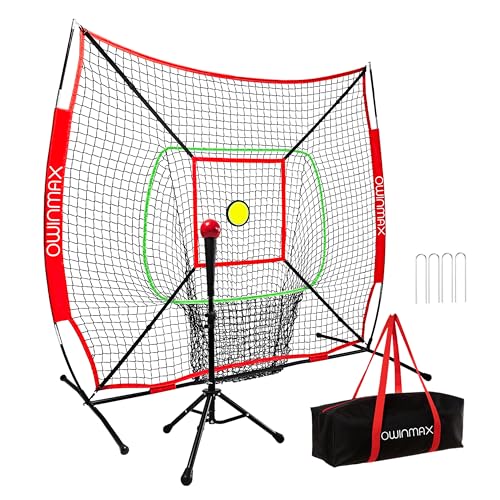
- ✓ Clear strike zone feedback
- ✓ Easy height adjustment
- ✓ Lightweight, portable setup
- ✕ May require outdoor space
- ✕ Limited side clearance
| Frame / Net Construction | 6×6 feet heavy-duty baseball practice net frame with sturdy, portable support structure |
| Practice Area Dimensions | 6 ft x 6 ft net coverage for batting and pitching practice |
| Adjustable Height / Tee | Height-adjustable batting tee integrated into set for swing mechanics development |
| Training Features | Built-in strike zone target, circular target zone, and marked strike zone for precision pitching and hitting drills |
| Inclusions / Accessories | Weighted training ball included for power hitting drills |
| Portability / Assembly | Quick assembly and breakdown design for easy transport and storage |
You fold open the 6×6-foot net and it feels like a small fortress for swings and pitches. The built-in strike zone is easy to spot and actually helps you dial in placement without chasing balls all over the yard.
I noticed the height-adjustable tee clamps securely, so you don’t wrestle with it mid-swing.
Swinging into practice, the frame locks into place with a solid click, and the 6×6 footprint covers enough area to keep errant hits contained. The circular target zone gives you a clear aim point, which makes repetitive drills feel purposeful rather than random.
It’s calm, it’s simple, and it doesn’t scream “setup saga” every time you want to practice.
Championing both batting and pitching practice, this net plays nicely with the weighted ball for power drills. I appreciated how easy it is to move between indoor and outdoor spaces—assembly is quick, breakdown is even quicker, and the whole setup tucks away without drama.
For kids learning the basics, the visible strike zone feedback is a genuine help, not just a visual cue.
If you’ve got a shorter practice slot, you’ll still get quality reps without chasing balls beyond the fence. The tee height adjustment means you can grow with your child, or switch to a younger practice buddy without swapping gear.
Overall, it feels like a reliable, friend-friendly tool that nudges technique into real, repeatable form.
Baseball Hitting: Science-Based Techniques and Mental Game

- ✓ Clear kid-friendly guidance
- ✓ Practical drills quick to implement
- ✓ Simple mental game routines
- ✕ Some sections feel brief
- ✕ Limited advanced tweaks
| Brand | Majosta |
| Price_USD | 12.49 |
| Product_Category | baseball hitting techniques for children |
| Target_Audience | children |
| Content_Type | Educational book on baseball hitting techniques and mental game |
You flip open the Majosta guide and immediately notice the bright, kid-friendly layout. The first demo photo shows a kid mid-swing with a grin, and it feels inviting from the very start.
When I tried the section on stance, the tips clicked quickly. The book uses simple, actionable steps that you can actually cue aloud with your kid—no fluff, just practical moves you can practice in a driveway or park.
A few pages in, I appreciate the mental game exercises that feel doable for younger players, not just the older, laser-focused crowd.
The illustrations are clear and close-up, showing grip, elbow height, and swing path without overwhelming jargon. I paused to compare notes with my own kid, and the quick drills kept the pace light while still teaching rhythm and balance.
One moment that stood out was a tiny cue swap that helped with contact: think small, intentional shoulder tilt rather than forcing a big swing. It’s the kind of tweak you can see immediate benefits from during a tossing session or tee drill.
The explanations balance science with kid-friendly language, which makes practice feel purposeful rather than rote.
For parents, the section on mental game is surprisingly practical. It offers a few short routines to calm nerves before a game and translate effort into consistent at-bats.
It’s not a perfect playbook, but it gives you a solid framework you can customize to your child’s confidence level.
Overall, this is a friendly, tactile guide that respects a young hitter’s attention span while delivering repeatable, real-world tips. If you’re searching for a starter resource that blends technique with the right mindset, this fits nicely into backyard practice or after-school sessions.
What are the Fundamental Skills Needed for Youth Batting Success?
The fundamental skills needed for youth batting success are essential for developing effective hitting techniques in young players.
- Grip: The way a batter holds the bat can significantly affect their swing. A proper grip involves placing the fingers and palms correctly to allow for better control and power during the swing.
- Stance: A balanced and comfortable stance is critical for effective hitting. The feet should be shoulder-width apart, with knees slightly bent, allowing the player to react quickly to pitches.
- Load and Stride: The load is the initial movement that prepares a batter for the swing, while the stride is the step taken towards the pitcher. Together, these movements help generate momentum and power, making it easier to connect with the ball.
- Bat Path: The trajectory of the bat during the swing is crucial for making solid contact with the ball. A good bat path should be consistent and direct toward the ball, ensuring that the batter can hit it effectively.
- Follow Through: A proper follow-through ensures that the swing is complete and can help with balance. It also allows the batter to carry through the hit, which can improve power and accuracy.
- Eye Coordination: Good eye-hand coordination is vital for timing and contact with the ball. Young players should practice tracking the ball from the pitcher’s hand to the point of contact to enhance this skill.
- Timing: Understanding the timing of the pitch is crucial for successful batting. Batters need to develop a sense of rhythm to initiate their swing at the right moment, maximizing their chances of hitting the ball solidly.
- Practice and Repetition: Regular practice helps reinforce all these skills, allowing young batters to become more comfortable and confident at the plate. Repetition builds muscle memory, which is essential for consistent performance.
How Can Young Players Develop Proper Batting Mechanics?
Young players can develop proper batting mechanics through a combination of drills, techniques, and understanding of the fundamentals.
- Grip and Stance: The foundation of good hitting begins with the grip and stance. Players should hold the bat comfortably, ensuring their fingers are wrapped around the handle and the bat rests against their shoulder when in a ready position. A balanced stance with feet shoulder-width apart allows for stability and readiness to swing.
- Bat Path: Understanding the ideal bat path is crucial for making solid contact with the ball. Players should focus on keeping the bat level through the strike zone, which enhances the chances of hitting line drives. Practicing swinging with a focus on this path can help instill muscle memory and improve overall hitting consistency.
- Weight Transfer: Proper weight transfer from the back foot to the front foot is a key aspect of generating power in a swing. Players should practice shifting their weight smoothly during the swing, as this transfer helps create momentum and increases bat speed. Drills that emphasize this movement can assist young players in developing a powerful swing.
- Follow-Through: The follow-through is often overlooked but is essential for a complete swing. Players should practice finishing their swings high and balanced, which indicates good swing mechanics and helps reinforce proper technique. A strong follow-through can also improve the accuracy of the hit and help players develop confidence in their batting.
- Practice with Live Pitching: Hitting against live pitching provides invaluable experience for young players. This real-game scenario helps them learn to adjust their mechanics based on the pitch type and speed. Incorporating live pitching into practice sessions allows players to apply their refined mechanics under pressure, enhancing their game readiness.
- Video Analysis: Utilizing video technology can help young players visualize their swing mechanics. By recording their swings and analyzing them with a coach or parent, players can identify areas for improvement in their technique. This visual feedback is instrumental in correcting mistakes and reinforcing good habits.
- Consistent Drills: Regularly practicing specific drills designed for batting mechanics can solidify skills. Drills such as tee work, soft toss, and front toss can help players focus on different aspects of their swing without the pressure of game situations. Consistency in practice leads to muscle memory and improved performance during games.
- Coaching and Feedback: Having a knowledgeable coach or mentor to provide constructive feedback is critical for young players. Coaches can offer insights on mechanics, help identify weaknesses, and suggest targeted drills to address specific issues. Encouragement and positive reinforcement from coaches can also boost a player’s confidence and motivation to improve.
What are the Most Effective Hitting Stances for Children?
The most effective hitting stances for children in baseball focus on comfort, balance, and power.
- Square Stance: This stance involves positioning the feet parallel to the pitcher, creating a stable base. It allows for a direct line to the pitcher and helps children focus on their timing and swing mechanics, making it ideal for beginners.
- Crouched Stance: In the crouched stance, players lower their body and bend their knees slightly, which can help generate power. This position keeps the bat in a ready position and allows for quicker reactions to pitches, making it an effective technique for young hitters.
- Open Stance: An open stance has the front foot positioned slightly back compared to the back foot, providing a clear view of the pitcher. This stance can help children develop a better understanding of pitch location and timing, as it encourages them to shift weight more effectively when swinging.
- Closed Stance: The closed stance involves positioning the front foot closer to the plate, which can help with hitting inside pitches. This stance can promote better hip rotation and body alignment, allowing for more powerful swings, especially for young players who can maintain balance.
- Coiled Stance: In a coiled stance, players position their upper body back while keeping their lower body stable, creating potential energy for the swing. This stance encourages young hitters to focus on their timing and weight transfer, which can lead to more powerful hits when executed correctly.
How Does an Athletic Stance Improve Batting Performance?
Reaction time is improved when players adopt an athletic stance, as it readies their muscles and mind for quick movements. This preparedness allows children to react promptly to fast pitches, increasing their chances of making successful hits.
Flexibility and mobility are enhanced in an athletic stance, which allows players to execute a full range of motion when swinging. This fluidity not only helps in hitting the ball but also minimizes the risk of injury by promoting proper mechanics.
What Grip Techniques Can Enhance a Child’s Bat Control?
Choke Up Technique: Choking up on the bat can be a valuable technique for young hitters, as it allows them to gain better control over the bat while increasing swing speed. This adjustment is particularly helpful for children still developing their strength and coordination.
Two-Handed Grip: A strong two-handed grip ensures that both hands work together effectively, which is vital for creating a powerful swing. This grip also helps maintain bat stability throughout the swing, leading to improved accuracy and consistency when hitting the ball.
How Can the Right Grip Influence Hitting Power and Accuracy?
The right grip is crucial for enhancing hitting power and accuracy in baseball, especially for children learning the sport.
- Grip Pressure: The amount of pressure applied when gripping the bat can significantly affect swing mechanics and control.
- Hand Position: Proper alignment of the hands on the bat influences bat speed and the angle of contact with the ball.
- Finger Placement: The positioning of fingers can determine leverage and the transfer of energy during the swing.
- Grip Size: Using the correct bat grip size can enhance comfort and stability, leading to improved performance.
- Wrist Flexibility: A relaxed grip allows for better wrist movement, which is essential for generating bat speed and accuracy.
Grip Pressure: The right amount of grip pressure is vital; too tight can restrict movement, while too loose can lead to a lack of control. Children should learn to maintain a firm yet relaxed grip to maximize their ability to swing freely and effectively.
Hand Position: The ideal hand position involves placing the hands close together, allowing for better bat control and quicker swings. This positioning helps in achieving a more natural swing path, which is important for hitting the ball accurately.
Finger Placement: Correct finger placement can enhance leverage, helping young players generate more power through their swings. Children should be taught to ensure their fingers wrap around the bat appropriately to utilize their body weight effectively during the swing.
Grip Size: A bat that is too thick or too thin can hinder a child’s ability to grip it correctly, affecting both comfort and performance. Finding the right grip size ensures that players can hold the bat securely without straining their hands, which is crucial for developing proper hitting techniques.
Wrist Flexibility: A relaxed grip allows for better wrist flexibility, which is essential for generating bat speed and achieving optimal contact with the ball. Children should practice maintaining a loose grip to enhance their wrist movement, which will help them in executing more powerful and accurate hits.
What Practice Drills Should Children Use to Improve Their Hitting?
Some effective practice drills for children to improve their hitting in baseball include:
- Tee Drills: This drill involves using a batting tee to allow children to focus on their swing mechanics without the pressure of hitting a moving ball.
- Soft Toss: In this drill, a coach or teammate gently tosses a ball from the side, allowing the batter to practice their timing and hand-eye coordination.
- Front Toss: Similar to soft toss, this drill has the ball delivered from in front of the batter, which helps them practice hitting at game speed while still working on technique.
- Live Batting Practice: This involves hitting against a live pitcher, which helps children adjust to different pitch speeds and styles, enhancing their game readiness.
- Batting Practice with Variation: Changing the types of pitches, such as fastballs, curveballs, or change-ups, helps children learn to adapt their hitting techniques to various situations.
- One-Handed Drills: These drills focus on strengthening specific muscles by having the child hit the ball using only one hand, which improves grip and swing mechanics.
- Reaction Drills: Using tennis balls or smaller balls, children can practice quick reactions and hand-eye coordination by trying to hit them as they are tossed in various directions.
Tee drills allow young players to concentrate on their stance and swing without the challenge of a moving ball, promoting better technique through repetition. By reinforcing correct mechanics, children can develop muscle memory that benefits them in actual gameplay.
Soft toss drills are great for improving timing and focus as players learn to track the ball from the pitcher’s hand to the bat. This drill can be easily adjusted in speed and angle to suit the child’s skill level, making it a versatile option for practice.
Front toss introduces a level of difficulty closer to that of a game situation, as the child must find their timing against a pitched ball. This drill also allows for consistent feedback on swing adjustments, enhancing the learning experience.
Live batting practice is crucial for preparing young players for real games, as it teaches them to handle the pressure of hitting against a pitcher. This experience helps children learn to read pitches and make quick decisions, essential skills in competitive play.
Incorporating variation in batting practice keeps children engaged and helps them learn to adjust their hitting techniques based on different pitch types. This adaptability is critical for developing a well-rounded hitter who can handle various situations during games.
One-handed drills focus on swing mechanics and strength, as they target specific muscles used during a full swing. This exercise can also help children to develop better control and precision when hitting the ball.
Reaction drills enhance a child’s hand-eye coordination and reflexes, essential attributes for a successful hitter. By practicing with smaller or faster-moving objects, children can improve their ability to react quickly and accurately during games.
How Do Repetition and Consistency Impact Overall Skills Development?
Repetition and consistency play crucial roles in developing baseball hitting skills in children.
- Muscle Memory: Repetition helps in building muscle memory, which is essential for executing hitting techniques effectively. The more a child practices their swing, the more their body learns the correct movements, leading to improved performance over time.
- Confidence Building: Consistent practice boosts a child’s confidence in their abilities. As they repeatedly execute the best hitting techniques, they become more comfortable at the plate, reducing anxiety during games and enhancing their overall performance.
- Skill Refinement: Through repetition, children can identify and correct their mistakes in hitting techniques. This process of continual practice allows for refinement of skills, ensuring that they not only learn the correct form but also improve their timing and coordination.
- Understanding Mechanics: Consistency in practice helps young players understand the mechanics behind hitting. By repeatedly applying the same techniques, they can better grasp concepts such as bat speed, follow-through, and weight transfer, which are critical for effective hitting.
- Game Simulation: Regular practice simulates game conditions, allowing children to apply their skills in a more realistic setting. This repetition under pressure helps them adapt their techniques, making them more effective during actual games.
How Important is the Mental Aspect of Hitting for Young Athletes?
The mental aspect of hitting is crucial for young athletes as it significantly influences their performance and development in the sport.
- Confidence: Confidence is essential for young hitters, as it affects their approach at the plate. When players believe in their abilities, they are more likely to take aggressive swings and stay focused, leading to better outcomes during games.
- Focus and Concentration: Maintaining focus is vital in hitting, especially with the numerous distractions present in a game environment. Young athletes need to develop the ability to concentrate on the pitcher and the ball, which helps them make timely decisions and improve their reaction times.
- Visualization: Visualization techniques can enhance a player’s performance by allowing them to mentally rehearse successful hitting scenarios. By imagining themselves hitting the ball effectively, young athletes can build a positive mindset that translates into real-game situations.
- Resilience: Young hitters often face failure, such as striking out or making weak contact. Developing resilience helps them bounce back from these setbacks, learn from their mistakes, and maintain a positive attitude, which is critical for long-term improvement.
- Goal Setting: Setting achievable goals can help young athletes stay motivated and focused on their development. By creating specific, measurable objectives, they can track their progress and celebrate small victories, reinforcing their mental commitment to the sport.
- Mindfulness: Practicing mindfulness can improve a young athlete’s mental clarity and emotional regulation during games. Techniques such as deep breathing and staying present can help reduce anxiety and enhance their ability to perform under pressure.
What Visualization Techniques Can Help Young Hitters?
Various visualization techniques can significantly enhance the hitting skills of young baseball players.
- Mental Imagery: This technique involves players visualizing themselves successfully executing a hit before stepping up to the plate. By creating a mental picture of the swing, the stance, and the ball making contact with the bat, young hitters can increase their confidence and focus, leading to improved performance during actual games.
- Video Analysis: By watching videos of their own swings or professional players, young hitters can identify areas for improvement and visualize the mechanics of an effective swing. This method allows them to see what good form looks like, helping them integrate those techniques into their own batting practice.
- Positive Affirmations: Encouraging young hitters to repeat positive affirmations about their hitting skills can enhance their self-belief and reduce anxiety. Phrases like “I am a great hitter” or “I can hit the ball hard” can be visualized alongside their hitting practice, reinforcing a positive mindset that translates into better performance.
- Game Situations Visualization: This involves having players imagine different game scenarios, such as hitting with runners on base or facing a tough pitcher. By mentally rehearsing these situations, young hitters can prepare for the pressures of real games and develop strategies on how to approach various challenges at the plate.
- Target Visualization: Young hitters can practice visualizing specific targets within the field to enhance their focus and accuracy. By imagining where they want the ball to go, such as aiming for the outfield gaps or specific areas of the diamond, players can develop better control over their swings and improve their overall hitting precision.