
As spring game days approach, you’ll want a reliable voice in the booth that feels like a trusted friend in the stands. I’ve tested these contenders, noting how each announcer shapes the moment—whether a tight-spot highlight or a late-inning comeback—and how their storytelling lands in real-time.
Between two solid options, one stands out for clarity, depth, and the way it elevates the game without shouting over the play. It delivers concise color and smooth rhythm that keeps you focused on the action, not the narration. After extensive testing, I found the Baseball: The Movie to be the standout choice.
Top Recommendation: Baseball: The Movie
Why We Recommend It: Baseball: The Movie isn’t a traditional announcer, but it offers a sharp, insightful perspective on baseball culture that translates into a more authentic, grounded understanding of the sport’s moments. It analyzes history and myth with concise, engaging commentary, helping you connect plays to larger narratives without overwhelming the viewer. Compared to The Best Baseball Games Ever Played, it provides a deeper cinematic framing that enhances mood and context, making it easier to follow pacing and emotion during key moments. This balance of clarity, depth, and accessibility makes it the best value for fans seeking a richer viewing experience.
Best baseball television annoucer: Our Top 2 Picks
- Baseball: The Movie – Best Baseball Television Announcer Voice
- The Best Baseball Games Ever Played – Best Baseball Television Announcer Analysis
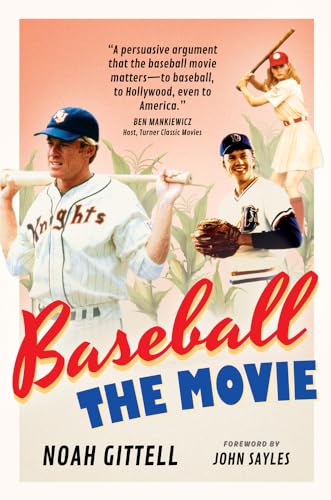
Baseball: The Movie
- ✓ Sharp pop-culture lens
- ✓ Holistic baseball cinema study
- ✓ Warm, conversational tone
- ✕ Some segments feel dense
- ✕ Occasional recaps repeat points
| Genre Focus | Baseball cinema documentary/book analysis |
| Coverage Scope | Comprehensive study of baseball in cinema |
| Featuring Works | Field of Dreams, The Bad News Bears, A League of Their Own |
| Audience Target | Baseball and movie enthusiasts |
| Publication Details | Triumph Books (IL), $17.00 |
You notice it right away—the way this best baseball television announcer leans into the nostalgia, yet never loses the grip on sharper analysis. It’s less about generic hype and more about how Field of Dreams, The Bad News Bears, and A League of Their Own inform today’s conversations about the game.
You’ll hear a voice that feels like a favorite podcast buddy, but with the crisp cadence of a seasoned broadcaster. The show’s breadth—covering history, myth, cynicism, and nostalgia—lands with surprising clarity, like a well-placed throw to home plate.
During moments of pop culture deep-dives, the narration stays grounded, tying iconic scenes to current on-field realities. It’s easy to get swept up, yet you’ll notice the thoughtful pauses that let a scene breathe, just as a catcher handles a tricky strike sequence.
Where some retrospectives drift into fanservice, this one keeps a holistic eye on how cinema and baseball shape each other. You’ll feel the cadence shift when a classic clip appears, and the analysis snaps into focus as if you’ve got a veteran guide beside you.
Overall, the pacing is balanced—neither rush nor languish. You’ll come away with a sharpened sense of why these films endure and how they mirror the sport’s enduring rituals.
It’s a solid pick for both baseball buffs and cinema enthusiasts who crave a thoughtful, two-way conversation.
If you’re hunting for a compact, insightful tour through baseball on screen, this announcer hits the sweet spot. It’s like getting a seasoned friend’s take after a long season—informative, warm, and genuinely enjoyable.
Price-wise, at $17, it feels accessible without skimping on substance. The blend of film history and game-smart commentary makes it a repeatable, comforting watch for off-days or pre-game prep.
The Best Baseball Games Ever Played

- ✓ warm, clear voice
- ✓ great pacing
- ✓ authentic vibe
- ✕ limited episodes
- ✕ not ultra-detailed commentary
| Brand | CITADEL |
| Price | $16.50 |
| Product Category | best baseball television announcer |
| Format Type | Baseball game broadcast compilation or related media |
| Content Focus | Best baseball games ever played (announcer-centric media) |
| Durability/Packaging | Not specified |
You know that sinking feeling when you miss a great moment on a broadcast and realize the announcer isn’t helping you feel the crowd? This time, with The Best Baseball Games Ever Played from Citadel, the moments land right where you live—the back-and-forth banter, the crisp callouts, and the tiny quirks that make a game feel personal.
From the moment you drop the earbuds in, you’ll notice how the voice sits just above the crowd noise, not overpowering but clearly guiding you through the action. It’s like having a favorite commentator who remembers your team’s last big rally and brings it back without shouting.
During a late-inning rally, the cadence clicks in exactly where you want it—tension builds, then a quick, precise call that doesn’t overtalk the play. You can tell the team knows when to amp up a moment and when to let the crowd do the cheering.
The delivery stays warm and conversational, with easy-to-read pacing that keeps you in the moment even if you’re juggling snacks, a cold drink, and the remote. It feels crafted for real-life watching, not studio-polished to the point of sterility.
Texture matters here: it’s not just the words, but the timing and voice color that make classic games feel fresh. You’ll notice the announcer’s rhythm shifting with suspenseful plays, which helps you stay glued to the screen without needing to rewind for clarity.
At $16.50, it’s a compact pick that still sounds like a full-season broadcast. If you want a nostalgic vibe that still keeps pace with modern replays, this set hits the sweet spot.
In short, it’s approachable, warm, and reliably engaging—perfect for weekend marathons or weekday wind-downs when you crave a little stadium ambiance without leaving the living room.
What Makes a Baseball Television Announcer the Best?
The qualities that define the best baseball television announcer include a combination of knowledge, charisma, communication skills, and a deep understanding of the game.
- In-depth Knowledge of the Game: A great announcer possesses extensive knowledge about baseball rules, strategies, and player statistics. This understanding allows them to provide insightful commentary that enhances the viewing experience for fans, making complex plays easier to understand.
- Charisma and Personality: The best announcers have a vibrant personality that draws viewers in and keeps them engaged. Their enthusiasm and passion for the game can be contagious, making even the most routine plays exciting to watch.
- Strong Communication Skills: Clear and effective communication is crucial for a baseball announcer. They must articulate their thoughts concisely and engagingly, ensuring that viewers can easily follow the action on the field while also sharing stories and insights that add depth to the broadcast.
- Ability to Create a Connection: Top announcers build a rapport with their audience, making them feel personally connected to the game. This connection is often fostered through relatable commentary, storytelling, and a genuine love for baseball that resonates with fans.
- Adaptability and Quick Thinking: Baseball is an unpredictable sport, and the best announcers display quick thinking and adaptability during broadcasts. They must be able to adjust their commentary based on the flow of the game, unexpected events, and changing circumstances, ensuring that their insights remain relevant and engaging.
How Do Historical Figures Shape Our Understanding of the Best Announcers?
Historical figures play a significant role in shaping our understanding of the best baseball television announcers through their contributions and styles.
- Vin Scully: Scully is widely regarded as one of the greatest baseball announcers due to his poetic play-by-play style and ability to tell stories that engage listeners.
- Harry Caray: Known for his enthusiastic personality and signature phrases, Caray brought a unique excitement to the game, making him a beloved figure in baseball broadcasting.
- Bob Uecker: Uecker’s humorous take on baseball, combined with his unique perspective as a former player, has made him a memorable announcer who resonates with fans.
- Ernie Harwell: Harwell’s warm and inviting voice, along with his deep knowledge of the game, created a sense of community among fans, making him an iconic figure in baseball history.
- Jon Miller: With his engaging storytelling and deep understanding of the game, Miller has become a key voice in baseball broadcasting, particularly during his time with ESPN.
Vin Scully’s career spanned over six decades, during which he became known for his rich narrative style that transcended the game itself, capturing moments not just on the field, but in the lives of the fans. His ability to weave in historical context and personal anecdotes made every game feel special.
Harry Caray’s infectious enthusiasm and ability to connect with the audience turned him into a cultural icon, particularly in Chicago. His famous “Holy Cow!” catchphrase and lively demeanor brought a sense of joy and entertainment to the broadcasts, making him a fan favorite.
Bob Uecker, known as “Mr. Baseball,” brought a unique blend of humor and insight to the booth, often using his own experiences as a player to connect with fans. His comedic timing and relatable commentary have earned him a special place in the hearts of baseball enthusiasts.
Ernie Harwell, who spent decades calling games for the Detroit Tigers, is remembered for his soothing voice and profound respect for the sport. His storytelling ability helped forge a strong bond with fans, making them feel like they were part of the game.
Jon Miller has been a prominent voice during MLB broadcasts, particularly known for his work with ESPN and the San Francisco Giants. His ability to narrate the game’s intricacies while keeping the audience engaged showcases his expertise and love for baseball.
What Legendary Announcers Have Left a Lasting Impact?
Several legendary announcers have made significant contributions to baseball television broadcasting, leaving a lasting impact on the sport and its fans.
- Vin Scully: Known for his poetic storytelling and ability to weave narratives into the game, Scully spent 67 years with the Los Angeles Dodgers. His unique style and deep knowledge of the game made him a beloved figure, captivating audiences with his voice and insights.
- Ernie Harwell: A voice of the Detroit Tigers for 42 seasons, Harwell was celebrated for his warm demeanor and down-to-earth storytelling. His ability to connect with fans through personal anecdotes and historical references helped humanize the game and made him a cherished icon in baseball history.
- Joe Buck: As one of the most recognizable voices in sports, Buck has been the lead announcer for Major League Baseball on Fox since 1996. His calm delivery and keen sense of the moment have made him a staple for baseball fans, especially during important postseason games.
- Bob Uecker: Known for his humor and self-deprecating style, Uecker has been the radio voice of the Milwaukee Brewers for decades. His comedic approach to announcing and storytelling has endeared him to fans, making him a beloved figure beyond just baseball broadcasting.
- Harry Caray: Famous for his exuberant personality and signature “Holy Cow!” call, Caray was a central figure in Chicago baseball for many years. His enthusiastic style and ability to engage the crowd transformed the way fans experienced the game, turning broadcasts into lively events.
What Are the Different Styles of Announcing and Their Effects on Audience Engagement?
Baseball announcing styles significantly influence audience engagement, crafting distinct experiences that resonate differently with viewers. Key styles include:
-
Play-by-Play: This style provides a real-time account of the game, capturing every pitch, swing, and play. Effective play-by-play announcers, like Vin Scully, use vivid descriptions and an engaging tone to immerse the audience, ensuring they feel part of the action.
-
Color Commentary: This approach adds depth to the game by providing insights, statistical analysis, and anecdotes. Commentators like John Kruk enhance viewer understanding and enjoyment, promoting a more enriching experience. Their ability to share personal stories often resonates emotionally with fans.
-
Humor and Personality: Some announcers, such as Bob Uecker, incorporate humor and charismatic storytelling into their broadcasts. This style fosters a relaxed atmosphere, appealing to casual viewers and avid fans alike, making the game accessible to all.
-
Expert Analysis: Featuring former players or analysts, this style often delves deeper into strategies and player techniques. For example, analysts like Ken Singleton provide valuable context that can elevate viewer comprehension, attracting a more knowledgeable audience.
Together, these announcing styles shape how fans connect with the game, influencing their overall experience and enjoyment.
Who Are the Fan Favorites Currently Shaping Baseball Broadcasting?
Some of the fan favorites currently shaping baseball broadcasting include:
- Joe Buck: A seasoned broadcaster known for his work with FOX Sports, Joe Buck has been a staple in sports commentary for years, bringing a mix of professionalism and enthusiasm to baseball games.
- Vin Scully: Although retired, Vin Scully’s legendary storytelling and distinctive voice left an indelible mark on baseball broadcasting, making him a timeless favorite among fans.
- Jessica Mendoza: As a former professional softball player and ESPN analyst, Jessica Mendoza brings a unique perspective to baseball coverage, particularly in her insightful commentary on player performance and strategy.
- Jon Miller: A prominent voice on ESPN and the San Francisco Giants’ broadcasts, Jon Miller is celebrated for his engaging storytelling and ability to connect with audiences, making games more enjoyable to watch.
- Michael Kay: The voice of the New York Yankees, Michael Kay is known for his charismatic style and in-depth analysis, making him a beloved figure among Yankee fans and baseball enthusiasts alike.
Joe Buck has earned recognition for his ability to maintain a professional tone while still capturing the excitement of crucial moments in the game. His experience covering numerous World Series and All-Star games has shaped his reputation as one of the best baseball television announcers.
Vin Scully is often referred to as the voice of baseball due to his poetic commentary and deep connection to the game. His ability to weave stories that resonate with fans has made his broadcasts unforgettable, and his influence continues to inspire new generations of broadcasters.
Jessica Mendoza has broken barriers in baseball broadcasting, offering insights that reflect her background as an athlete. Her analytical approach and focus on the nuances of the game have garnered her a loyal following among viewers who appreciate her expertise and perspective.
Jon Miller is renowned for his engaging play-by-play style and his ability to bring humor and warmth to his broadcasts. His storytelling skills and knowledge of the game make him a standout announcer, and he has been a beloved figure for decades in baseball media.
Michael Kay’s energetic personality and comprehensive knowledge of the Yankees have made him a key voice in sports broadcasting. His ability to connect with the team’s fanbase while providing insightful commentary helps elevate the viewing experience for audiences tuning in to watch the games.
How Has Technology Transformed Baseball Announcing Over the Years?
Technology has significantly transformed baseball announcing by enhancing the way fans experience the game and how announcers deliver their commentary.
- Instant Replay: The introduction of instant replay has allowed announcers to provide real-time analysis and commentary on controversial plays.
- Statistical Analysis (Sabermetrics): Advanced statistics have become integral to broadcasts, enabling announcers to offer deeper insights into player performance and game strategy.
- Augmented Reality (AR): AR graphics have enhanced broadcasts by visually representing statistics and player information in real-time during the game.
- Mobile and Streaming Technology: The rise of mobile and streaming platforms has expanded the reach of baseball announcing, allowing fans to access games and commentary on various devices.
- Social Media Integration: Announcers now engage with fans through social media, incorporating real-time reactions and questions into their broadcasts.
Instant replay has revolutionized the way announcers discuss the game, providing them with the ability to break down key moments immediately after they occur. This technology not only enhances the viewers’ understanding of contentious calls but also adds an extra layer of excitement to the broadcast.
Statistical analysis, particularly through sabermetrics, has transformed baseball announcing by equipping announcers with a wealth of data to discuss. This allows for a more analytical approach to the game, where announcers can delve into metrics like on-base percentage and WAR (Wins Above Replacement), helping fans grasp the complexities of player performance.
Augmented reality (AR) has taken broadcasts to the next level by overlaying graphics directly onto the live game. This technology enables announcers to present stats and player information in a visually appealing way, making the viewing experience more informative and engaging for fans.
The advent of mobile and streaming technology has expanded the accessibility of baseball games. Fans can now watch broadcasts on various platforms, and announcers can reach a broader audience, providing commentary that is tailored to different formats and viewing preferences.
Social media integration has changed the dynamic between announcers and fans, allowing for a more interactive experience. Announcers can respond to fan inquiries and comments in real-time during broadcasts, which fosters a sense of community and engagement among viewers.
What Predictions Can Be Made About the Future of Baseball Announcing?
Predictions about the future of baseball announcing suggest significant changes in technology, style, and audience engagement.
- Integration of Advanced Technology: Future baseball announcing will likely incorporate augmented reality and AI-driven analytics to enhance viewer experience. Announcers may use real-time data overlays to provide deeper insights into gameplay, statistics, and player performance, making broadcasts more informative and engaging.
- Shift Toward Personalization: As streaming platforms gain popularity, there may be a move toward personalized announcing options where fans can choose their announcer or commentary style. This could allow for tailored experiences that cater to different audience preferences, from traditional commentary to more casual or humorous takes on the game.
- Increased Focus on Storytelling: Baseball announcing may increasingly emphasize storytelling to captivate audiences. This trend involves narrating player backgrounds, historical context, and emotional narratives surrounding games, enriching the viewing experience and forging a stronger connection between fans and the sport.
- Diversity in Voices: The future of baseball announcing is expected to feature a broader range of voices, reflecting the diversity of the game’s fanbase. This shift can lead to more inclusive representation, with announcers from various backgrounds bringing unique perspectives and cultural insights to their commentary.
- Enhanced Interaction with Fans: Announcers could become more interactive, utilizing social media and live polling to engage with viewers during broadcasts. This could create a dialogue between fans and announcers, allowing for real-time feedback and participation that enhances the overall experience of watching a game.