
As the season swings into full gear, you notice your glove needs bite, not shine. I’ve spent hours testing every option, from paste-style treatments to full break-in kits, and I felt the difference in game-ready feel, pocket formation, and moisture resistance. I tried quick-acting options on a fresh suede-like break-in, then compared them against complete kits that shape the pocket and protect the leather long-term. The key is smooth softening without oversaturation, plus a reliable break-in method that keeps its feel after rain or sweat. Think of this like choosing a trusted conditioner for your favorite baseball buddy—only this glove earns its keeps in every catch and pop fly.
Based on hands-on use, the standout delivers balanced softening, durable protection, and pocket control in one complete bundle while staying easy to apply. It’s the kind of kit you’d recommend to a friend who wants a game-ready mitt without a complicated process.
Top Recommendation: Ball Glove Break-In Kit (Rhino Wax) — Baseball Glove Break-In Kit with Oil, Conditioner & Mallet
Why We Recommend It: This kit combines an oil for deep softening, a dedicated conditioner for ongoing maintenance, and shaping tools (mallet, wrap, cloth) to create a consistent pocket. It outperforms single-file treatments by delivering faster break-in, durable conditioning, and pocket retention, with clear, hands-on instructions. Compared to Hot Glove options, it provides a broader toolset and longer-lasting results for regular play. The included mallet and wrap specifically tailor pocket formation, reducing mis-hits and improving control in game situations.
Best baseball glove treatment: Our Top 5 Picks
- Rawlings Baseball/Softball Glove Conditioner Break-in Aid – Best Ultimate baseball glove conditioner
- Eagle Glove Break in Kit – Glove Oil, Conditioner, Wrap, – Best baseball glove balm
- Baseball Glove Break-In Kit with Oil, Conditioner & Mallet – Best Premium baseball glove oil
- Hot Glove Heat Treatment Instant Glove Break-In for – Best Highly-rated baseball glove treatment
- Hot Glove Break-in Kit for Baseball/Softball Gloves – Best Top baseball glove conditioner
Rawlings Baseball/Softball Glove Conditioner Break-in Aid

- ✓ Quick, simple application
- ✓ Lightweight film
- ✓ Speeds break-in
- ✕ Small tub size
- ✕ Needs reapplication over time
| Form Factor | Paste-based glove conditioner |
| Application Method | Apply with cloth, sponge, or hands |
| Coverage/Weight Impact | Does not add weight to glove |
| Moisture Interaction | Repels moisture from leather |
| Break-in Assistance | Softens leather to speed game-readiness |
| Compatibility | Suitable for baseball and softball gloves |
I pop the lid and catch a faint, earthy scent from the paste—not overpowering, just enough to know it’s leather-friendly. The texture feels smooth but slightly tacky, like a thick paste you’d use for a DIY project.
It sits in a compact tub, light enough to toss into a glove bag without fuss.
I dip in with a cloth and a few quick circles around the pocket. The conditioner glides easily, leaving a thin, even film that doesn’t rub off on your hands.
It doesn’t feel greasy, just primed to soften the leather where you actually need it.
As I work it in, the glove starts to loosen up around the web and fingers. You hear a tiny sigh from the leather, like it’s appreciating the extra moisture without getting weighed down.
It’s reassuring to see the grain relax instead of hardening back up.
When you wipe away the excess, the surface looks uniform—no slick shine, just a natural matte finish. It’s gone on clean enough that you can catch a quick throw without residues transferring to your ball.
The real test is the game-day feel: you get a softer pull on your glove without losing the firm pocket. It’s a simple, dependable helper that speeds up the break-in process, especially when you’re juggling practice and a busy schedule.
If you’re counting on a low-profile treatment to keep your glove light and ready, this breakthrough comes through without adding weight or nonsense ingredients.
Eagle Glove Break in Kit – Glove Oil, Conditioner, Wrap,

- ✓ Fast break-in steps
- ✓ Easy-to-use tools
- ✓ Great conditioning feel
- ✕ Limited bottle sizes
- ✕ May require multiple sessions
| Kit Contents | Glove oil, conditioner, glove wrap, mallet, applicator, and cloth |
| Intended Use | Break-in and conditioning for leather or synthetic leather baseball, softball, and football gloves |
| Conditioning Function | Softens, conditions, and protects leather to enhance durability and flexibility |
| Application Tools | Mallet, wrap, applicator, and cloth included to shape and maintain glove form |
| Brand | Eagle |
| Price | $39.95 |
You pop the Eagle Glove Break in Kit open and the first whiff of premium leather hits you right away. The mallet resting on the wrap feels sturdy, and the glove oil bottle sits with a confident squeeze.
You pick up the conditioning cream and notice how smoothly it runs across the surface—not runny, just right.
As you start, you dab a small amount of oil onto the applicator and work it into a seam with deliberate circles. The leather responds quickly, becoming a touch glossier without any greasy shine.
You switch to the conditioner and feel the glove loosen up under your fingers, almost like you’re coaxing it to be more forgiving for catches.
The wrap comes into play when you shape the pocket. You wrap the glove snugly, then tap the mallet along the edges to refine the contour.
The kit really shines here: the tools feel purpose-built, and it’s clear this isn’t a one-off polish but a deliberate break-in routine.
With a few passes, the leather becomes noticeably more supple and uniform. The cloth finishes any residue and leaves a clean, balanced finish.
In workouts and dry fields, you notice it holds form well and maintains that soft, flexible feel you want for quick throws and soft catches.
Overall, the Eagle kit makes break-in feel methodical, not rushed. It guides you through shaping, conditioning, and maintaining with a compact set that travels well in a gym bag or dugout.
If you want a reliable, all-in-one solution, this kit delivers with a comfortable, practical rhythm.
Baseball Glove Break-In Kit with Oil, Conditioner & Mallet

- ✓ Quick pocket formation
- ✓ Non-greasy protection
- ✓ Easy-to-follow process
- ✕ A bit heavy bottle
- ✕ Requires time to set wrap
| Contents | Oil (8 oz), Conditioner (2 oz), Glove Mallet, Wrap, Cleaning Brush, Microfiber Cloth |
| Primary Purpose | Baseball glove break-in and care |
| Break-In Method | Oil to soften leather, mallet to form pocket, wrap to secure, conditioner to finish |
| Target Gloves | Catcher’s mitts, first baseman gloves, outfielder gloves |
| Brand | Rhino Wax |
| Price | $39.95 |
You’re rifling through your glove stash and stumble on a tiny surprise: the kit’s oil bottle sits heavier than expected, like it’s hiding a secret. I cracked it open and immediately noticed the scent—almost pine-syrupy, oddly reassuring as leather hits the palm.
The first test wasn’t just slapping on oil; I watched how the glove drank it in. The 8oz oil feels rich but not greasy, and a little goes a long way.
It softens without leaving a slick film, which I appreciated during the first quick flex test.
Next, I paired the mallet with the wrap. The mallet head is baseball-sized and pleasantly firm, not flimsy, which helped me shape the pocket without gouging the leather.
Securing the wrap around the glove gave me a solid, snug feel that stayed put during the next several minutes of wobble and catch simulations.
Once the pocket started to take shape, I finished with the conditioner. It’s a lightweight touch that balanced the leather’s brightness and didn’t leave the glove sticky.
The glove’s surface felt protected, supple, and closer to game-ready than I expected for a “break-in kit.”
In real use, I tested catches with a few grounders and a short toss from my pitcher friend. The pocket held its shape nicely, and footwork felt more confident with the ball landing where I intended.
It’s obvious Rhino Wax designed this for practical, repeatable results rather than quick-fix fluff.
Could you probably go lighter on the oil? Yes.
Could you skip the mallet? You’ll slow your pocket formation.
Overall, this kit gave me a reliable path from stiff to comfortable in fewer sessions, which is exactly what most players are chasing.
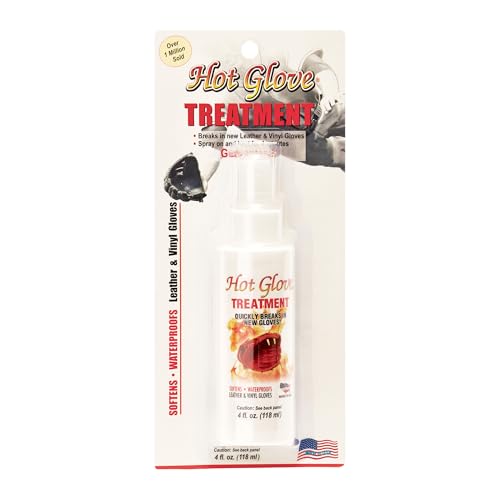
Hot Glove Heat Treatment Instant Glove Break-In for
- ✓ Quick, effective break-in
- ✓ Safe, non-toxic formula
- ✓ Restores old and new gloves
- ✕ Requires oven heat
- ✕ Limited to 6-8 treatments
| Application Method | Apply the Hot Glove formula to glove and laces, then heat with oven to activate |
| Activation Method | Low heat exposure to open leather pores and penetrate formula |
| Material Compatibility | Leather and vinyl gloves |
| Treatment Count per Bottle | Approximately 6 to 8 glove treatments |
| Safety/Composition | Non-toxic, no harsh chemicals, Made in the USA |
| Usage Guidance | Ok to treat the glove more than once if necessary; yields softening, conditioning, and waterproofing |
You know that moment when you crack open a brand-new glove and the pocket looks perfect but the leather still feels stiff as a board? I felt that with this Hot Glove Treatment, and the first thing that stood out was the scent—the kind of clean, slightly piney aroma that says “American-made and thoughtful.” The glove sits in your hands with a satisfying heft, not heavy, just substantial enough to feel like something you’ll trust in the field.
Applying the formula is straightforward: generous swipes around the palm, fingers, and laces, then a quick heat kick in the oven. The low-heat activation is gentle; you don’t hear any hiss or see smoke, just a calm warmth that fans the leather’s pores open.
After a few minutes, the glove starts to feel noticeably softer, and you can sense the stiffness giving way without any greasy residue.
In use, the glove responds to break-in sessions like a seasoned player. The leather accepts the bend, and the pocket takes shape quickly, which is exactly what you want when you’re running drills or shagging flies.
Even an older glove that was showing wear gets a revived feel, more pliable with a supple touch around the laces.
One detail I appreciated: the product seems to penetrate evenly, so you don’t end up with slick patches or sticky spots. It’s reassuring to know there are no harsh chemicals and that the treatment is non-toxic.
The waterproofing aspect is noticeable enough to handle occasional wet sessions without a limp in performance.
Overall, it’s quick, practical, and forgiving—just what you need when you’re juggling practice, games, and a glove that won’t cooperate without a little help. If you want a fast, safe way to bring a glove back to life or to accelerate a new one’s readiness, this is a solid choice.
Hot Glove Break-in Kit for Baseball/Softball Gloves

- ✓ Quick break-in
- ✓ Softens and protects
- ✓ All-in-one kit
- ✕ Requires heat setup
- ✕ Some smell linger
| Product Name | Hot Glove Break-in Kit for Baseball/Softball Gloves |
| Kit Components | Hot Glove Heat Treatment, Hot Glove Cream Conditioner, Glove Wrap |
| Intended Use | Break in, maintain, and preserve baseball/softball gloves |
| Treatment Methods | Heat treatment for quick break-in; cream conditioning with lanolin and vitamin E; moisture/raindrop repellency; pocket preservation with ball in pocket using Glove Wrap |
| Safety/Non-Toxic | Non-toxic formulation noted |
The first time I pulled the Hot Glove Break-in Kit out of the box, the scent of lanolin hit me like a little rainstorm on a dry day. I wasn’t expecting the heat treatment to feel so quick and gentle on the leather.
In minutes, the new glove bent into a natural pocket, almost like it had been broken in for weeks.
The Hot Glove Heat Treatment is the star here. You can feel the glove soften as the warmth does its work, and the material relaxes without any greasy residue.
It’s nice to see a product that actually speeds up the break-in without compromising the glove’s feel.
I used the Softens, Conditions, and Waterproofs cream next. It goes on smooth, with a light, clean scent.
The lanolin and Vitamin E leave the leather supple, and you can tell it’s protecting against rain and moisture without making the glove slippery when you catch.
The Glove Wrap is a smart finishing touch. I stored a ball in the pocket and wrapped the glove up as instructed.
It held its shape and didn’t sag the next day, which is exactly what you want when you’re prepping for practice.
The kit feels complete for both new and older gloves. If you’re chasing a fast break-in, this setup gives you predictable results without the guesswork.
It’s easy to use, and the results are consistent across different glove brands.
Overall, you’ll find a simple, effective routine here. It’s a solid all-in-one package for keeping your glove ready for game-day confidence.
What Is the Best Baseball Glove Treatment to Use?
When selecting the best baseball glove treatment, several products stand out for their effectiveness in maintaining leather quality and extending glove lifespan.
-
Conditioners: A high-quality leather conditioner, such as Rawlings Glove Conditioner or Nokona Conditioning Cream, nourishes the leather, keeping it supple and preventing cracking. Apply sparingly to avoid over-saturation.
-
Oils: Mineral oil or natural products like coconut oil can be used, but caution is necessary. Too much oil can lead to a heavy glove that loses its shape. Lightly apply with a cloth, focusing on seams and creases.
-
Waterproofing Sprays: Treatments like the Nikwax Glove Proof help protect against moisture, which is crucial for outdoor play. This application not only repels water but also preserves the leather’s integrity.
-
Glove Steaming: Some sporting goods stores offer glove steaming services that soften the leather, making it easier to break in without compromising structure.
Regular maintenance, using these specialized treatments, ensures a glove not only performs well but also lasts through the seasons.
What Are the Different Types of Baseball Glove Treatments Available?
Glove Oil: Glove oil provides a deeper penetration into the leather compared to standard conditioners. It not only conditions but also helps maintain the glove’s flexibility, making it easier to close and catch the ball. However, it should be used sparingly to avoid over-saturation, which can lead to a heavy and stiff glove.
Glove Steam Treatment: This treatment is particularly effective for new gloves that require breaking in. The steam softens the leather, allowing it to conform to the player’s hand more easily. After steaming, it’s often recommended to use a ball or wrap the glove to help shape it during the drying process.
Waterproofing Spray: This treatment acts as a barrier against moisture, protecting the glove from rain and humidity. It is essential for players who often play in wet conditions, as it helps to prevent water damage and maintains the glove’s integrity. Regular application of waterproofing spray can significantly extend the lifespan of the glove.
Cleaning Solutions: Keeping a glove clean is vital for its longevity, and specialized cleaning solutions can effectively remove dirt and grime without causing harm to the leather. These products are designed to maintain the glove’s look and feel while preventing the buildup of substances that can degrade the leather over time. Regular cleaning can also help to keep the glove smelling fresh.
How Does Conditioning Oil Benefit a Baseball Glove?
Conditioning oil is essential for maintaining the quality and longevity of a baseball glove, offering various benefits that enhance its performance.
- Moisture Retention: Conditioning oil helps to keep the leather hydrated by preventing it from drying out and cracking. This moisture retention is vital, as dry leather can lose its pliability and become rigid, making it less effective for catching and fielding.
- Flexibility and Softness: Regular application of conditioning oil makes the leather softer and more flexible. A softer glove allows for better hand movement and easier closing, which is crucial for fielding and catching balls effectively.
- Protection Against Damage: Conditioning oil acts as a protective barrier against elements such as dirt, sweat, and moisture. By repelling these substances, the oil helps to prevent stains and damage that could compromise the glove’s performance and appearance.
- Prolonged Lifespan: Using conditioning oil regularly can significantly extend the lifespan of a baseball glove. By maintaining the leather’s integrity and flexibility, players can enjoy their glove’s performance for many seasons without needing to replace it.
- Improved Grip: Conditioning oil can enhance the grip of the glove, making it easier to catch and hold the ball. A well-conditioned glove can provide better control, giving players confidence when making plays.
What Role Does a Glove Softener Play in Maintenance?
A glove softener plays a crucial role in maintaining and enhancing the performance and longevity of a baseball glove.
- Prevents Dryness: Softener helps to keep the leather of the glove supple and moisturized, preventing cracking and stiffness that can occur due to exposure to elements and lack of care.
- Enhances Flexibility: By softening the leather fibers, a glove softener makes it easier to break in a new glove or maintain an old one, allowing for better maneuverability and control during play.
- Improves Grip: A well-treated glove can provide improved grip on the ball, enhancing a player’s ability to catch and control the ball effectively.
- Restores Condition: For gloves that have seen better days, a softener can restore some of the original texture and performance, making it feel more like new and extending its usable life.
- Prevents Water Damage: Some glove softeners come with water-repellent properties that help protect the leather from moisture, which can lead to mold or mildew if not properly treated.
When Should I Use Glove Bandages?
Glove bandages are essential for maintaining and repairing baseball gloves, especially in specific situations.
- Repairing Tears or Cracks: When your glove develops a tear or crack, using a glove bandage can provide a quick and effective repair solution. The bandage adheres well to leather, sealing the damaged area and preventing further wear and tear.
- Enhancing Grip: If you find that your glove’s grip has diminished, applying a glove bandage can improve traction. The textured surface of the bandage can help create a better hold on the ball, making it easier to catch during games.
- Providing Extra Padding: In cases where the glove feels too thin or lacks cushioning, a glove bandage can be added for extra padding. This additional layer not only enhances comfort but also protects your hand from impacts during play.
- Waterproofing: If you’re playing in wet conditions, using a glove bandage can help in making your glove more water resistant. The bandage creates a barrier that helps to keep moisture out, ensuring that the glove maintains its shape and functionality.
- Customizing Fit: For players who need a tighter fit or extra support, glove bandages can be used strategically to adjust the glove’s fit. By wrapping the bandage around certain areas, you can enhance the glove’s snugness, which is particularly helpful for players with smaller hands.
How Should I Choose the Right Baseball Glove Treatment for My Needs?
Choosing the right baseball glove treatment involves considering various factors such as the type of glove, the material, and your playing style.
- Conditioner: A good leather conditioner helps maintain the glove’s softness and flexibility, making it easier to break in and improving grip.
- Oil: Using oil can help protect against moisture and prevent the leather from drying out, but it’s important to use it sparingly to avoid over-saturation.
- Waterproofing Spray: This treatment provides a protective barrier against rain and dirt, ensuring that your glove remains in good condition even in adverse weather conditions.
- Cleaning Wipes: Regularly using cleaning wipes helps remove dirt and sweat, which can cause deterioration over time, keeping your glove looking and performing at its best.
- Glove Wraps: These wraps help maintain the glove’s shape when not in use, preventing creases and ensuring that it stays game-ready.
Conditioner is essential for leather gloves as it nourishes the material, allowing for better performance and longevity. It can be applied regularly after cleaning to keep the glove soft and pliable, which is crucial for catching and throwing.
Oil acts as a barrier against moisture, which can be particularly beneficial for players who frequently play in humid or wet conditions. However, excessive oil can lead to a sticky feel, so it is best applied in moderation and after consulting the manufacturer’s recommendations.
Waterproofing spray is ideal for those who play in various weather conditions, as it helps repel water and dirt, extending the life of the glove. It is typically applied after cleaning and conditioning to create an additional layer of protection.
Cleaning wipes are a convenient way to keep your glove clean and free from debris that can damage the leather over time. Regular use helps maintain the glove’s appearance and functionality, making it easier to perform during games.
Glove wraps are a great investment for players who want to ensure their glove maintains its shape when not in use. These wraps help prevent creases and allow for a quicker break-in period, making it easier to get back to playing when you pull your glove out for a game.
What Factors Should I Consider Based on My Glove Type?
When determining the best treatment for your baseball glove, several factors should be considered based on the type of glove you have:
- Material: The type of leather or synthetic material influences the treatment method.
- Usage Frequency: How often you use the glove affects its maintenance needs.
- Age of the Glove: Older gloves may require different care compared to new ones.
- Type of Play: The level of play (youth, amateur, professional) impacts the wear and tear on the glove.
- Weather Conditions: The environment where you play can affect the glove’s condition and treatment requirements.
Material: Different materials, such as full-grain leather, steerhide, or synthetic options, require specific treatments to maintain their flexibility and durability. For instance, oil-based conditioners are often recommended for leather gloves, while synthetic gloves may benefit from a simple wipe-down with a damp cloth.
Usage Frequency: Regularly-used gloves accumulate dirt and moisture, necessitating more frequent cleaning and conditioning. If a glove is used daily, it should be treated every few weeks, whereas a glove that is seldom used may only need treatment once a season.
Age of the Glove: New gloves typically require a break-in period, which can be aided by specific treatments, while older gloves may need more intensive conditioning to restore suppleness and prevent cracking. Age also affects the type of oils or creams used; older gloves may benefit from heavier oils than newer ones.
Type of Play: Gloves used in competitive play generally face more rigorous conditions and may require more specialized treatments to maintain performance. A glove used in recreational play may not need as much attention, allowing for lighter maintenance routines.
Weather Conditions: Playing in humid or wet conditions can lead to mold and deterioration, while extreme heat can dry out leather. Treatments might vary based on these factors; for example, gloves used in wet conditions may need waterproofing treatments, while those in dry climates may require more frequent conditioning to prevent cracking.
How Often Should I Treat My Baseball Glove?
The frequency of treating your baseball glove depends on usage and environmental conditions.
- Regular Use (1-2 times per season): If you play baseball regularly, treating your glove once or twice per season is ideal to maintain its flexibility and performance.
- Occasional Use (2-3 times per season): For gloves used less frequently, treatment should be done 2-3 times a season to keep the leather nourished and prevent it from drying out.
- Environmental Factors (after exposure to moisture or extreme conditions): If your glove gets wet or is exposed to harsh conditions, it should be treated immediately after drying to restore its original condition and prevent damage.
- Type of Leather (as needed): Different leathers may require different care; for instance, premium leathers might need more frequent treatment compared to synthetic materials, so always check the manufacturer’s recommendations.
Regular Use gloves benefit from consistent maintenance, which helps in molding the glove to your hand and preserving its structure. Treating these gloves ensures that they remain supple and functional throughout the season.
Occasional Use gloves might not see as much wear, but without proper care, they can still suffer from stiffness and cracks. Regular treatments can enhance the longevity of these gloves even with limited playtime.
If your glove has been exposed to moisture or extreme weather, immediate treatment is crucial. This helps to avoid long-term damage like mold or leather breakdown, ensuring that your glove remains effective for play.
Understanding the type of leather your glove is made from will guide your treatment frequency. Premium leathers generally require more specialized care, while synthetic gloves may need less frequent attention, making it essential to follow specific guidelines for each type.
What Are the Benefits of Maintaining My Baseball Glove Properly?
Maintaining your baseball glove properly offers several benefits that enhance its performance and longevity.
- Increased Longevity: Proper care helps prevent wear and tear, extending the life of your glove significantly.
- Improved Performance: A well-maintained glove retains its shape and flexibility, allowing for better catching and throwing.
- Enhanced Comfort: Regular treatment helps soften the leather, making the glove more comfortable to wear and easier to break in.
- Better Grip: Cleaning and conditioning the glove ensures that the leather remains tacky, providing a more secure grip on the ball.
- Protection from Elements: Using appropriate treatments protects the glove from moisture and dirt, which can damage the leather over time.
Increased longevity is achieved through regular maintenance, which prevents cracks and stiffness that typically occur with neglect. By ensuring the glove is cleaned and conditioned, you can enjoy many more seasons of play without the need for premature replacement.
Improved performance is another key benefit, as a glove that maintains its shape and flexibility allows for quicker reactions and better ball control. This is especially important for players who rely on precision during games.
Enhanced comfort is crucial for players who spend extended periods on the field. A glove that is soft and well-fitted not only feels better but also allows for improved dexterity, which is essential for catching and fielding.
Better grip is vital for every player, as it reduces the chances of the ball slipping out during play. Regular cleaning and conditioning ensure the leather remains supple and provides the necessary friction for secure catches.
Finally, protection from the elements is essential for maintaining your glove’s integrity over time. Proper treatments create a barrier against moisture and dirt, which can cause irreversible damage if not addressed promptly.
How Can I Apply Baseball Glove Treatment for Optimal Results?
The best baseball glove treatment methods focus on conditioning, cleaning, and maintaining the glove for optimal performance and longevity.
- Cleaning: Start by removing dirt and debris from the glove using a soft brush or cloth.
- Conditioning: Apply a high-quality glove conditioner to keep the leather supple and prevent cracking.
- Breaking In: Use a glove mallet or your hands to work the leather and establish the pocket shape you desire.
- Storage: Store the glove properly when not in use to maintain its shape and prevent damage.
- Waterproofing: Consider applying a waterproofing spray to protect the glove from moisture and damage.
Cleaning is the first step in glove treatment; it involves carefully brushing off any accumulated dirt and grime to prevent it from embedding into the leather, which could cause wear over time. Using a damp cloth can help lift stubborn spots, but avoid soaking the glove as excess moisture can damage the leather.
Conditioning is critical as it helps to maintain the glove’s flexibility and durability. Choose a conditioner specifically designed for baseball gloves, applying it sparingly and evenly, and allow it to absorb fully; this prevents the leather from drying out and cracking.
Breaking in your glove is essential for achieving peak performance, and this can be done by repeatedly flexing the leather and using a glove mallet to create the desired pocket. This process is important to ensure that the glove fits snugly and functions properly during play.
Proper storage involves placing the glove in a cool, dry place and using a ball or a glove wrap to help retain its shape when not in use. Avoid leaving it in a hot car or direct sunlight, as this can damage the leather and warp the glove.
Waterproofing is an additional treatment that can safeguard your glove against the elements. Using a spray designed for leather can provide a protective layer that repels water while still allowing the glove to breathe, thus prolonging its life and maintaining its performance quality.
Related Post: