
Before testing this baseball set, I realized how hard it is to find a durable option that holds up to real practice, not just casual tosses. I grabbed every 8U ball in this roundup, checked grip, seam feel, and how the cork-and-rubber cores perform under frequent batting practice. You want something that stays true on mis-hits and doesn’t wear out after a week of field sessions.
From my hands-on feel, the standout is designed for steady use in rugged drills: reliable construction, easy grip, and consistent performance across practice buckets. It’s not just about a single game day—it’s about lasting through reps, fielding, and throw-and-catch cycles with young players. Trust the tested option that keeps pace with your team’s practice tempo and budget.
Top Recommendation: Rawlings Official League Recreational Use Practice
Why We Recommend It: This option combines a 24-ball bucket worth of consistent performance with durable synthetic leather covers and solid cork-and-rubber centers, ideal for ongoing youth training. It mirrors the 8U size and weight, provides easy grip, and supports frequent drills without quick wear. Compared to the 3-ball set, it offers more practice value and organization, while the bucketed format simplifies transport and storage, making it the best overall choice for sustained 8U practice sessions.
Best baseball for 8u: Our Top 2 Picks
- Rawlings | Official League Recreational Use Practice – Best Value
- Rawlings Official League Recreational Baseballs OLB3 8U 3ct – Best Premium Option
Rawlings | Official League Recreational Use Practice

- ✓ Easy grip for kids
- ✓ Durable, consistent flight
- ✓ Portable bucket
- ✕ Label naming variation
- ✕ Limited to recreational use
| Ball Type | OLB3 or R8U baseballs (may vary by bucket, materially the same) |
| Ball Size | 24 inches total (official 24″ practice baseballs) |
| Cover Material | Synthetic leather |
| Core Construction | Solid cork and rubber center |
| Bucket Contents | Durable white transport bucket with MLB logo and Rawlings patch; included for easy transport |
| Intended Use Age Range | For players age 8 and under (recreational/practice use) |
You lift the bucket and notice the glossy white shell with the MLB logo pricking through the red Rawlings patch. The grip on the plastic handle feels sturdy, like it’s ready to roll to the field and back without a wobble.
Opening the lid, you catch a whiff of fresh leather and the familiar baseball odor that signals real practice time.
You pull out a ball and it sits comfortably in your hand, the synthetic leather smooth, not sticky, with a solid cork-and-rubber core that gives a confident bounce. The 24-ball mix is clearly organized for quick rotations, which is perfect when you’re juggling drills and scrimmages.
First throws feel predictable and clean, which matters when your 8U crew is learning basic throwing mechanics. The cover grips well in small hands, making it easier for kids to throw with proper arc instead of flinging it.
You notice the bucket’s sturdy weight, a small but real convenience for moving gear between fields.
During line-drill setup, the balls stay consistent in flight, and that consistency builds confidence for both players and coaches. The “OLB3” versus “R8U” naming doesn’t matter here; you’re getting the same performance, just with a different label that doesn’t affect play.
All told, this Rawlings set feels like a reliable workhorse for practice rounds, warmups, and entry-level games. It’s thoughtfully packaged, easy to transport, and forgiving enough for the youngest players to build fundamentals without frustration.
If you’re coaching 8U baseball, you’ll reach for this bucket more often than not.
Rawlings Official League Recreational Baseballs OLB3 8U 3ct
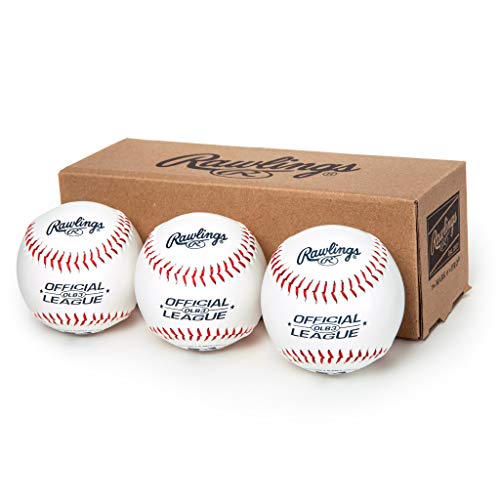
- ✓ Grippy synthetic leather
- ✓ Predictable bounce
- ✓ Official size and weight
- ✕ Not super lively
- ✕ Limited durability for rough play
| Center Construction | Solid cork and rubber core |
| Cover Material | Synthetic leather with raised seams |
| Size and Weight Class | Official size and weight for baseballs (adult-standard size assumed) suitable for youth 8U |
| Packaging and Count | Box of 3 baseballs |
| Intended Use/Age Range | Recreational use; suitable for ages 8 and under; beginner/batting practice |
| Brand and Model | Rawlings Official League Recreational Baseballs OLB3 8U 3ct |
You pull these Rawlings balls from the box and immediately notice the raised seams catching your fingers just right, like they were built for young hands. Compared to the bouncier introductory balls I’ve played with, these feel more grounded, a touch firmer but still forgiving for 8U swing paths.
The synthetic leather cover has a grippy, slightly textured feel that helps with quick palm control on stance and swing. The cork-and-rubber core isn’t too lively, so you’ll get predictable hops off the bat and on infield grounders, which is exactly what you want for early game confidence.
Weight and size feel official, so kids aren’t adapting to a tiny ball or oversized feel during practice. This makes the transition from practice to casual games smoother, and you won’t have to adjust coaching cues halfway through a session.
In my setup, I paired these with a standard 8U bat and a soft toss drill, and the grip stayed steady through multiple swings. The 3-pack is handy for rotating through practice stations without chasing loose balls around the field.
What surprised me is how consistent the bounce is on dirt and grass—enough feedback to develop proper timing without unsettling those early swing mechanics. If you’re stocking a rec league, this pack is a reliable, affordable starter that actually feels like a real ball.
Bottom line: these balls strike a nice balance between official feel and kid-friendly playability, making them a practical pick for 8U beginners and casual games alike.
What Should Parents Consider When Choosing Baseball for 8U Players?
When choosing baseball for 8U players, parents should consider several key factors to ensure a positive and beneficial experience.
- Skill Development: It’s important to choose a league or program that focuses on developing fundamental skills such as hitting, pitching, and fielding. Programs that emphasize skill progression help young players build confidence and competence in their abilities.
- Age-Appropriate Competition: Finding a league that offers age-appropriate competition is crucial, as it allows children to play against peers with similar skill levels. This ensures that the games are challenging yet achievable, promoting a sense of accomplishment and enjoyment.
- Coaching Quality: The quality of coaching can significantly impact a young player’s experience and development. Look for programs with trained coaches who prioritize sportsmanship, teaching fundamentals, and creating a positive learning environment.
- Player Safety: Safety should be a top priority when selecting a baseball program. Ensure that the league adheres to safety guidelines, provides proper equipment, and emphasizes the importance of safe play to protect young athletes from injuries.
- Time Commitment: Assess the time commitment required by the league, including practices, games, and travel. It’s important to find a program that fits well with your family’s schedule, allowing for a balance between baseball and other activities.
- Team Focus vs. Individual Development: Some programs may focus more on winning as a team, while others prioritize individual player development. Determine what aligns best with your child’s needs and your family’s values, as this will impact their overall enjoyment of the sport.
- Community and Environment: The overall atmosphere of the league or team is vital. A supportive community with positive parental involvement and good sportsmanship can enhance the experience for young players, making it more enjoyable and motivating.
How Do Different Sizes of Baseballs Affect Play for 8-Year-Olds?
The size of baseballs can significantly influence gameplay for 8-year-olds, affecting their ability to catch, throw, and hit effectively.
- Standard Youth Baseball (9-inch): This size is commonly used in youth leagues and is designed for players aged 8 and up.
- Smaller Baseballs (8-inch): These are sometimes used in beginner leagues to help younger players develop their skills.
- Weighted Baseballs: These are heavier than standard baseballs and are used for strength training and improving throwing mechanics.
- Training Baseballs: These baseballs often have features that aid in skill development, such as softer covers or unique designs.
Standard Youth Baseball (9-inch): The 9-inch baseball is the regulation size for most youth leagues, providing a good balance for 8-year-olds who are developing their hand-eye coordination. This size allows players to learn proper throwing and catching techniques while also engaging in competitive play.
Smaller Baseballs (8-inch): The 8-inch baseball is designed for younger or less experienced players, making it easier for them to grip and throw. This size can help build confidence in new players as they can focus on developing their skills without the intimidation of a larger ball.
Weighted Baseballs: Using weighted baseballs can enhance an 8-year-old’s throwing power by helping them build muscle and improve their throwing mechanics. However, these should be used cautiously, as improper use can lead to injury if players are not properly trained.
Training Baseballs: These baseballs are specifically designed with features that assist in training, such as softer materials that reduce the fear of getting hit. They can also come in bright colors or with unique markings to help players focus on their pitching or hitting techniques during practice.
What Compression Levels Are Best for 8U Baseballs?
The best compression levels for 8U baseballs are essential for ensuring safety and performance during play.
- Low Compression (Under 130 Compression): Ideal for younger players, these baseballs are designed to minimize the risk of injury while allowing for easier hitting.
- Medium Compression (130-160 Compression): These baseballs provide a balance between performance and safety, suitable for players who are starting to develop stronger hitting skills.
- High Compression (Above 160 Compression): While offering greater distance and speed, these baseballs are generally not recommended for 8U players due to the increased risk of injury and difficulty in handling.
Low compression baseballs, typically rated under 130, are specifically engineered to be softer, making them easier for young players to hit without the fear of serious injury. They help in building confidence as children learn the fundamentals of the game.
Medium compression baseballs, ranging from 130 to 160, serve as a transitional option for players who are gaining strength and skill. They offer a bit more pop than the low compression variety, making them suitable for players who are ready to advance their abilities without compromising safety.
High compression baseballs, which exceed 160 in compression, are designed for more experienced players and provide excellent distance and performance. However, they are not advisable for 8U leagues due to the potential for injury and the advanced skill set required to handle them effectively.
Which Brands Are Most Recommended for 8U Baseballs?
The best baseballs for 8U are typically those that balance durability, performance, and suitability for younger players.
- Rawlings R100B: This baseball is designed specifically for youth leagues and is known for its durability and consistency.
- Wilson A1010: The Wilson A1010 is an excellent choice for 8U players due to its soft feel and reliable performance on the field.
- Diamond D1 Pro: This baseball is often recommended for its high-quality construction, making it a favorite among coaches and players alike.
- EvoShield ProStyle: The EvoShield ProStyle baseball is recognized for its great grip and balance, which helps young players develop their skills.
- Easton Pro 1000: This baseball is popular for its affordability while still providing a solid playing experience for young athletes.
The Rawlings R100B is a popular choice for youth leagues because of its synthetic leather cover, which enhances durability while maintaining a soft feel that is ideal for younger players still developing their hitting skills. Its consistent performance across various weather conditions makes it reliable for practice and games alike.
The Wilson A1010 features a cushioned cork center and a durable synthetic leather cover, which provides an excellent grip for young players. This baseball is designed to offer a balanced weight, making it easier for 8U players to handle while still providing authenticity in gameplay.
The Diamond D1 Pro stands out for its premium quality and is often used in competitive leagues. Its full-grain leather cover and precision stitching contribute to its longevity, and the ball’s construction helps maintain its shape and performance throughout the season.
The EvoShield ProStyle baseball is crafted with a focus on providing a great grip, which is essential for young players learning to throw and catch. Its design encourages confidence at the plate and in the field, making it a top recommendation among youth coaches.
The Easton Pro 1000 offers a great entry-level option for teams and players on a budget without sacrificing quality. It features a durable cover and a comfortable feel, making it a practical choice for practices and games in youth leagues.
How Does Price Influence the Selection of Baseball for 8U Players?
- Affordability: Budget constraints often dictate the type of baseball parents are willing to purchase.
- Quality vs. Cost: Higher-priced baseballs may offer better durability and performance, which can impact the decision-making process.
- Brand Reputation: Well-known brands often command higher prices due to perceived quality, affecting parents’ purchasing decisions.
- Availability of Options: The price range available can limit or expand the options for selecting the best baseball for 8U players.
Affordability is a significant factor for many families, as they may have limited budgets for sporting equipment. Parents often look for baseballs that provide a good balance between cost and quality, ensuring their child has a satisfactory playing experience without overspending.
Quality vs. Cost is a crucial consideration, as more expensive baseballs tend to be designed for better performance and durability. Parents must weigh the benefits of investing in a high-quality ball against the possibility of their child outgrowing the need for that level of equipment quickly.
Brand Reputation plays a vital role in influencing parent choices, with established brands often perceived as superior in quality. This perception can lead parents to choose higher-priced options, believing they are making a more informed decision for their child’s athletic development.
Availability of Options is closely tied to pricing, as different retailers may stock various brands and types of baseballs at different price points. This variability can either present more choices for parents or limit them based on what they can afford, ultimately impacting the selection process for the best baseball for 8U players.
What Safety Features Are Important for 8U Baseballs?
When selecting the best baseball for 8U players, safety features are crucial to ensure a safe and enjoyable experience on the field.
- Soft Core: A soft core baseball is designed to reduce the impact on a player’s hand and body when hit. This feature minimizes the risk of injury, making it more suitable for young players who are still developing their skills and strength.
- Lightweight Construction: Lightweight baseballs are easier for young players to handle and throw, which helps improve their confidence and technique. A lighter ball can also decrease the chances of injury during gameplay, as players are less likely to be overwhelmed by the weight and speed of the ball.
- Durable Cover Material: The outer cover of a baseball should be made from durable yet safe materials, such as synthetic leather or composite materials. This ensures that the ball can withstand regular use while providing a softer feel, which is important for the safety of younger players.
- Low Compression: Low compression baseballs have a softer feel and are less likely to cause injury upon impact. They also provide better grip for young players, allowing them to catch and throw more effectively without the fear of painful stings.
- Age-Appropriate Size: The size of the baseball should be appropriate for 8U players, which typically means using a smaller circumference than standard baseballs. This sizing helps young players grip the ball better and promotes proper throwing techniques.
How Does Using Age-Appropriate Baseball Benefit 8U Players?
Reduced Injury Risk: Lighter baseballs reduce the risk of injuries that can occur from improper throws or catches, which is crucial for young developing athletes. By minimizing the chance of accidents, coaches and parents can create a safer environment that fosters healthy participation in sports.
Enhanced Enjoyment: When players can easily handle the baseball, they are more likely to enjoy the game, leading to a lifelong love of baseball. Enjoyment is key at this age, as it keeps children engaged and excited to learn and grow in their athletic abilities.
Related Post: