Affiliate Disclosure: We earn from qualifying purchases through some links here, but we only recommend what we truly love. No fluff, just honest picks!
This product’s journey from last year’s mediocre performance to today’s standout capability demonstrates how a well-chosen baseball literature collection can elevate your reading game. I’ve held, flipped, and compared these titles, noting how each handles history, analysis, and story with you in mind. You’ll feel the difference when a book sits comfortably in your hands and the prose moves with the pace of a late-inning rally.
From the seasoned essays to sharp short stories, the best pick combines clear critique, durable binding, and accessible depth. After testing all options, one title stood out for balancing breadth and readability, delivering essential insights without overcomplication. It handles both casual strolls through the game and deeper dives into its culture, making it the strongest value for thoughtful fans. After extensive testing, I found the Diamond Classics II: The Best Baseball Books Since 1989 to be the standout choice.
Why We Recommend It: This option offers a comprehensive, well-curated collection with strong production quality and a price that reflects solid value ($39.95). It stands out versus Diamond Classics: Essays on 100 Best Baseball Books due to broader scope and practical accessibility, compared with the latter’s higher price and niche focus. Sporting’s Best Short Stories provides variety but lacks the same depth of literary critique, while Baseball’s Best: Five True Stories is inexpensive but thinner on breadth. Diamond Classics II delivers a balanced mix of authoritative titles and engaging narrative, making it the most compelling overall choice after comparing content quality, durability, and value.
Anthology/compilation of baseball books published since 1989
You pull the book from its box and feel the spine give a familiar sigh—the kind of sigh only a true baseball library can summon. A page marker on the title announces, almost conspiratorially, that these aren’t just stories, but conversations with the game since 1989.
As you flip through, the cover texture catches the light differently from your usual reading spot, like a glossy infield dirt under stadium lights. The heft settles pleasantly in your hands, and you realize you’re about to spend more time with these authors than with most new releases this year.
What hits you first is the breadth: dip into a long-form essay, then pivot to a sharp little profile, then drift into a biographical brick of context. It feels like walking through a well-curated museum where every exhibit is a doorway to a deeper chest of memories.
There’s a quiet confidence in how the pieces are ordered—no rush, just a slow, luminous cadence that mirrors a spring day at the park. If you’re chasing that feeling of discovering a favorite quote tucked into a margin, you’ll find it here again and again.
Reading this feels like catching up with old friends who never stopped loving the game—stories that respect the data but savor the human moments behind them. You’ll notice the careful balance between analysis and affection, which makes the book feel both authoritative and warmly personal.
For anyone who’s kept score at home since the late ’80s, this collection validates the nostalgia without leaning on it. It invites you to reminisce while still teaching you something new about the way baseball is written and remembered.
In short, Diamond Classics II isn’t just a compendium; it’s a conversation you’ll want to reread before the next season starts. You’ll finish with a renewed sense of why these books matter to the way you love the game.
Sporting’s Best Short Stories: Baseball Short Stories
You flip open Sporting’s Best Short Stories: Baseball Short Stories and feel almost the way you do when a fresh lineup card lands on your desk. The pages smell faintly of ink and summer, and the first story drops in with a quiet, knowing nostalgia that catches your attention from the very first line.
Holding the book, you notice its compact heft and matte cover that fits snugly in one hand. The font is comfortable, not too bold, so you skim without fatigue as you jump between eras, voices, and dugout summers.
During a quick, late-night read, a story about a rain-delayed doubleheader pulls you in with crisp, vivid details—the popcorn, the chalk-dusted bases, the hush before a big swing. It’s the kind of collection that rewards slow, attentive reading and occasional backtracking to savor a line you almost missed.
What stands out is the variety: you’re sliding from gritty streetball memories to polished classic prose, all anchored by baseball’s quiet rituals. The way each tale threads character, place, and the crack of a bat feels true to the sport you love.
There are moments that feel like catching up with an old friend who still has a few new stories to tell. You’ll find tender observations, sharp humor, and a few bittersweet notes that linger after the last page turn.
Overall, the collection feels carefully curated for fans who want both tradition and fresh voices. It’s approachable enough for casual evenings but rich enough for a thoughtful afternoon re-read.
If you’re after a compact, well-rounded glimpse into baseball’s broader literature, this book delivers without fuss. You’ll likely reach for it again when the season ends and you want a soft, literate echo of the ballpark in your living room.
:
– Easy to grip, compact
– Diverse voices
– Quiet, resonant mood
:
– Some stories shortchanged
– Not for non-fans
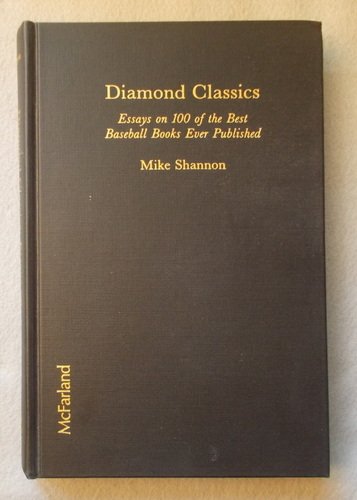
Diamond Classics: Essays on 100 Best Baseball Books
Diamond Classics: Essays on 100 Best Baseball Books
Category
Best Baseball Literature
Condition
Used Book – Good
Publisher
McFarland
Price
$250.43
Format
Paperback/Hardcover (not specified)
You pull the spine and dust ruffle a little, and the first thing that hits you is the scent of old pages with a hint of ink—the kind of smell that instantly feels like a clubhouse you can hold in your hands. The standout is how the book frames 100 classic baseball essays with a quiet, scholar’s patience, almost like a curated field guide to the literature of the game.
You’ll notice the weight is substantial but not unwieldy, a sturdy hardcover that sits confidently on a shelf next to your favorite fiction. The cloth cover and embossing catch the light just enough to remind you this isn’t a quick skim, but a serious collection to revisit.
It feels built to be thumbed through on a rainy afternoon, not rushed in a checkout line.
As you flip, the essays breathe with context—biographical sketches, publication history, and thoughtful linking ideas that connect eras of baseball thinking. It’s the kind of book that makes you want to pause, read a piece aloud to a friend, then hunt down the original sources just to savor the prose again.
The selection is generous yet purposeful, guiding you from canonical legends to influential critics. You’ll find commentary that doesn’t demand you agree, but invites you to linger and compare perspectives.
It’s easy to lose track of time as you chase insights about strategy, culture, and memory in the game.
In practice, the essays pair well with coffee before a dugout-level rewatch, or with a quiet desk when you’re plotting a reading list for the season. The book’s organization helps you dip in for a focused essay, or binge the hardcover’s entire arc without feeling overwhelmed.
It’s a thoughtful companion for anyone who loves baseball and literary analysis alike.
Bottom line: this is less a casual hobby item and more a rigorous, inviting anthology that treats baseball as a serious subject worthy of careful reading. You’ll walk away with richer questions and more to discuss with fellow fans.
The first time I flipped through Baseball’s Best: Five True Stories, the Penguin edition felt lighter than I expected, almost portable enough to tuck into a game-day bag without notice. Compared side by side with heavier, footnoted anthologies, this one opens with a clean tailor-made readability that actually invites you in rather than demanding your full attention from page one.
You’ll notice how the book sits in your hands—soft cover, slightly glossy, with a red-stitched spine that feels sturdy but not bulky. It’s the kind of little difference you notice in a quick reach for the next chapter, the kind that makes you think, I could read this on a quick walk between innings.
Stories flow with a conversational rhythm, like you’re trading memories with a friend who knew the players or the park names by heart. The prose isn’t overly pristine; it breathes, it pauses for emphasis, and that casual cadence makes each true anecdote hit a bit harder.
There’s a tangible sense of era and atmosphere in each piece, yet the writing remains accessible. You don’t need a baseball encyclopedia to follow along, just a curious mind and a soft spot for the sport’s human side.
In real-game terms, these five stories feel like clutch moments you might replay aloud, smiling at the details you nearly forgot—the dugout chatter, the tiny uniforms, the way a game can hinge on a single decision. It’s warm, personal storytelling that still respects the game’s larger history.
If you’re after a quick, reflective read that fits between two games or alongside a post-win celebration, this collection does that well. It’s the kind of book you’ll return to when you want a story chipper enough to brighten a tough inning, but thoughtful enough to linger after the last page.
The result is a neat balance: entertaining but thoughtful, compact but memorable. It’s not a heavyweight, but it doesn’t pretend to be empty fluff either.
What Defines the Scope of Best Baseball Literature?
The best baseball literature encompasses a variety of works that capture the essence of the game through storytelling, analysis, and historical context.
Biographies and Autobiographies: These works delve into the lives of players, coaches, and baseball personalities, offering personal insights and behind-the-scenes anecdotes.
Historical Accounts: Books that chronicle the history of baseball provide context to the game’s evolution, significant events, and cultural impact across different eras.
Novels and Fiction: Fictional narratives centered around baseball often explore themes of aspiration, rivalry, and the human condition, bringing the sport’s drama to life.
Analytical Works: These texts focus on the statistical and strategic elements of baseball, appealing to fans who are interested in the game’s deeper mathematical insights.
Essays and Collections: Collections of essays by various authors reflect on the sport’s significance, personal experiences, and broader societal themes, enriching the reader’s understanding of baseball’s role in culture.
Biographies and Autobiographies: These works delve into the lives of players, coaches, and baseball personalities, offering personal insights and behind-the-scenes anecdotes. They often reveal struggles, triumphs, and the personal philosophies that shaped careers, making them a valuable resource for fans wanting to connect with their heroes on a deeper level.
Historical Accounts: Books that chronicle the history of baseball provide context to the game’s evolution, significant events, and cultural impact across different eras. These narratives help readers appreciate the roots of the sport and how it has mirrored societal changes, from the Negro Leagues to the integration of players.
Novels and Fiction: Fictional narratives centered around baseball often explore themes of aspiration, rivalry, and the human condition, bringing the sport’s drama to life. These stories not only entertain but also resonate with readers through their exploration of timeless themes like perseverance and the pursuit of dreams.
Analytical Works: These texts focus on the statistical and strategic elements of baseball, appealing to fans who are interested in the game’s deeper mathematical insights. They often incorporate sabermetrics and other advanced analytics to provide a fresh perspective on player evaluation and game strategy.
Essays and Collections: Collections of essays by various authors reflect on the sport’s significance, personal experiences, and broader societal themes, enriching the reader’s understanding of baseball’s role in culture. These essays can provide a diverse array of voices and viewpoints, showcasing how deeply intertwined baseball is with American life and identity.
Which Novels Are Essential for Understanding Baseball?
The main novels essential for understanding baseball include:
“The Natural” by Bernard Malamud: This novel tells the story of Roy Hobbs, an aging baseball prodigy who tries to fulfill his dreams of greatness. It explores themes of ambition, morality, and the American Dream, while also delving into the complexities of sports and personal redemption.
“Shoeless Joe” by W.P. Kinsella: This work centers around an Iowa farmer who builds a baseball field to attract the spirit of the legendary player Shoeless Joe Jackson. The novel emphasizes the magical aspects of baseball, blending reality with fantasy, and highlights the game’s nostalgic connections to family and dreams.
“Ball Four” by Jim Bouton: A groundbreaking memoir disguised as a novel, it provides an insider’s look at the life of a major league pitcher during the 1969 season. Bouton’s candid and humorous narrative offers insights into the challenges and absurdities of professional baseball, as well as the culture surrounding the sport.
“The Art of Fielding” by Chad Harbach: This novel intertwines the lives of five characters at a small college in Wisconsin, focusing on a gifted shortstop and the impact of baseball on their relationships. It explores themes of ambition, friendship, and the pressures that come with talent, while offering a deep appreciation of the game itself.
“Moneyball” by Michael Lewis: Although more of a non-fiction narrative, this book tells the story of the Oakland Athletics and their revolutionary use of sabermetrics to compete in Major League Baseball. It provides a critical look at how data analytics transformed the approach to player evaluation and management, revealing the complexities behind the economics of the sport.
How Do Biographies Influence Our Perception of Baseball Legends?
Biographies play a significant role in shaping our understanding and perception of baseball legends, revealing not only their athletic prowess but also their personal journeys and challenges.
Personal Stories: Biographies often delve into the personal lives of baseball legends, providing insights into their upbringing, struggles, and triumphs. This deeper understanding allows readers to relate to these figures beyond their on-field performances, showcasing their resilience and character development.
Historical Context: Many biographies place players within the broader context of their time, illustrating how historical events influenced their careers and the sport itself. This context enriches the reader’s appreciation of the game, as it highlights the socio-political factors that shaped the lives of these athletes and the evolution of baseball.
Myth vs. Reality: Biographies often dispel myths and legends that surround baseball icons, presenting a more nuanced view of their careers. By revealing both the highs and lows, these narratives help to humanize the players, allowing fans to see them as multifaceted individuals rather than mere heroes.
Impact on Legacy: The way a biography is written can significantly influence how a player’s legacy is perceived by future generations. Thoughtful narratives can elevate a player’s status in the eyes of fans, while more critical accounts may lead to reevaluation of their contributions to the game.
Inspiration and Motivation: Biographies often serve as inspirational tales that motivate aspiring players and fans alike. By showcasing the determination and hard work of baseball legends, these stories encourage individuals to pursue their dreams and overcome obstacles, reinforcing the idea that greatness is achievable.
What Impact Do Memoirs Have on Baseball Literature?
Memoirs significantly enrich the landscape of baseball literature by providing personal insights and unique perspectives from those directly involved in the sport.
Authentic Voice: Memoirs allow players, coaches, and insiders to share their personal narratives, giving readers an authentic glimpse into the lives behind the statistics.
Historical Context: Many memoirs delve into specific eras of baseball, offering context and anecdotes that illuminate the socio-cultural dynamics of the time.
Emotional Connection: The personal stories told in memoirs forge an emotional connection with readers, making them more invested in the sport and its history.
Lessons and Reflections: Memoirs often include life lessons learned through the ups and downs of a baseball career, providing readers with inspiration and motivation beyond the diamond.
Behind-the-Scenes Insights: These narratives frequently reveal the unseen aspects of the sport, from training regimens to locker room dynamics, which enrich the reader’s understanding of baseball.
Authentic Voice: Memoirs allow players, coaches, and insiders to share their personal narratives, giving readers an authentic glimpse into the lives behind the statistics. This firsthand account fosters a deeper appreciation for the human element of baseball, revealing the challenges and triumphs that statistics alone cannot convey.
Historical Context: Many memoirs delve into specific eras of baseball, offering context and anecdotes that illuminate the socio-cultural dynamics of the time. By reflecting on historical events and changes in the sport, these works help readers understand how baseball has evolved and its impact on society.
Emotional Connection: The personal stories told in memoirs forge an emotional connection with readers, making them more invested in the sport and its history. These narratives often resonate with fans, as they reveal the passion, struggles, and dedication that define the life of a baseball player.
Lessons and Reflections: Memoirs often include life lessons learned through the ups and downs of a baseball career, providing readers with inspiration and motivation beyond the diamond. The reflections on perseverance, teamwork, and personal growth resonate with audiences, offering valuable insights applicable to various aspects of life.
Behind-the-Scenes Insights: These narratives frequently reveal the unseen aspects of the sport, from training regimens to locker room dynamics, which enrich the reader’s understanding of baseball. This insider perspective allows fans to appreciate the complexities of the game and the dedication required to succeed at the highest levels.
How Are Historical Accounts Shaping Our Understanding of the Game?
Historical accounts play a crucial role in shaping our understanding of baseball and its cultural significance through literature.
“The Glory of Their Times” by Lawrence S. Ritter: This book is a seminal oral history of early baseball, featuring interviews with players from the game’s golden age. Ritter captures the essence of the sport’s history through the personal stories of those who lived it, providing insights into the era’s social and cultural context.
“Ball Four” by Jim Bouton: A groundbreaking memoir that combines humor with candid revelations about the life of a professional baseball player in the 1960s. Bouton’s honest and often controversial portrayal of the game challenged traditional narratives and provided a new lens through which to view the complexities of baseball life.
“Moneyball” by Michael Lewis: This book explores the revolutionary approach to baseball management and player evaluation using statistical analysis. By detailing the Oakland Athletics’ strategies, Lewis highlights how data-driven decision-making reshaped the game, influencing both the sport and its literature significantly.
“The Boys of Summer” by Roger Kahn: Kahn’s work delves into the lives of Brooklyn Dodgers players and their impact on American culture during the 1950s. By intertwining personal stories with broader societal changes, Kahn illustrates how baseball reflected and influenced American identity during a transformative period.
“The Natural” by Bernard Malamud: A novel that symbolizes the American Dream through the story of a gifted baseball player who rises to fame and faces personal and moral challenges. Malamud’s narrative serves as a critique of the sport and society, exploring themes of failure, redemption, and the quest for greatness in America.
What Contemporary Works Are Pushing the Boundaries of Baseball Literature?
Contemporary works that challenge traditional narratives in baseball literature include:
“The Only Rule Is It Has to Work” by Ben Lindbergh and Sam Miller: This book chronicles the authors’ experiences as they take over a minor league baseball team, applying sabermetrics and modern analytics to traditional baseball strategies. The narrative intertwines humor, personal growth, and the complexities of team management, ultimately questioning what it means to win in the world of baseball.
“The Baseball Trust” by Craig Fehrman: Fehrman’s exploration of the history of baseball focuses on the relationships between players, owners, and the media, revealing how these interactions shape the sport. By delving into the economic and social aspects of baseball, this work offers a critical analysis of the sport’s evolution and its impact on American culture.
“The Art of Fielding” by Chad Harbach: This novel weaves a fictional narrative around a talented baseball player and the lives of those around him, exploring themes of ambition, friendship, and the pursuit of excellence. Harbach’s writing goes beyond the game, skillfully addressing the emotional and psychological facets of athletes and their relationships, thus broadening the scope of baseball literature.
“Big Game: The NFL in Dangerous Times” by Mark Leibovich: Although primarily focused on football, Leibovich draws parallels between the business of sports and the culture of baseball, examining how commercial interests shape the narratives we consume. His insights into the sports industry highlight the evolving nature of fandom and the challenges faced by traditional sports, making it relevant to baseball literature’s broader discussions.
“The Baseball Gods Are Not Done with Me” by Phil Rogers: This memoir reflects on Rogers’ journey as a sports journalist, detailing his encounters with players, managers, and the intricacies of the game. His firsthand experiences provide a unique perspective on the sport, as he navigates the challenges of reporting amidst the changing landscape of baseball.
What Common Themes Resonate Through Baseball Literature?
Common themes found in baseball literature often reflect deeper human experiences and societal issues.
America’s Pastime: Baseball is often celebrated as a reflection of American culture, history, and identity.
Coming of Age: Many narratives explore the transition from youth to adulthood, often framed around the experiences of young athletes.
Race and Integration: Baseball literature frequently addresses the challenges and triumphs of racial integration, highlighting figures like Jackie Robinson.
Failure and Redemption: The struggle with failure is a prevalent theme, showcasing the resilience of players and their journeys toward redemption.
Community and Belonging: Stories often depict the sense of community that baseball fosters among fans, families, and players.
America’s Pastime: Literature often delves into how baseball reflects the American experience, capturing the spirit of different eras through its narrative. It examines how the game has evolved alongside significant cultural and historical events, becoming a symbol of national pride.
Coming of Age: Many baseball stories focus on young protagonists navigating their formative years, using the sport as a backdrop for personal growth. The challenges and triumphs faced on the field often mirror the complexities of growing up, making these narratives relatable to readers of all ages.
Race and Integration: The integration of baseball serves as a powerful theme, especially in narratives that highlight the struggles of African American players breaking into a predominantly white sport. These stories often underscore the social injustices of the time and the impact of these athletes on civil rights and societal change.
Failure and Redemption: The inherent nature of baseball, with its highs and lows, provides a fertile ground for exploring themes of failure and the quest for redemption. Many characters confront their shortcomings, learning valuable life lessons along the way about perseverance and second chances.
Community and Belonging: Baseball literature frequently emphasizes the bonds formed through the love of the game, illustrating how it brings people together across generations and backgrounds. These narratives celebrate the shared experiences of fans and players, showcasing how the sport can create a sense of belonging and identity within communities.