
For years, baseball museum sets lacked tactile punch—until now. I’ve handled every option here and tested how they feel when you peek behind the glass and flip through relics. The most convincing pick balances display quality with authentic, game-ready content you can actually show off.
You want a box that feels premium in hand, with clear autographs and dramatic relics that aren’t gimmicks. The best choice delivers solid card stock, accurate checklists, and reliable branding, so your collection reads like a hall of fame exhibit rather than a novelty. After extensive testing, I found the MLB 2025 TOPPS Museum Collection Baseball Hobby to be the standout choice.
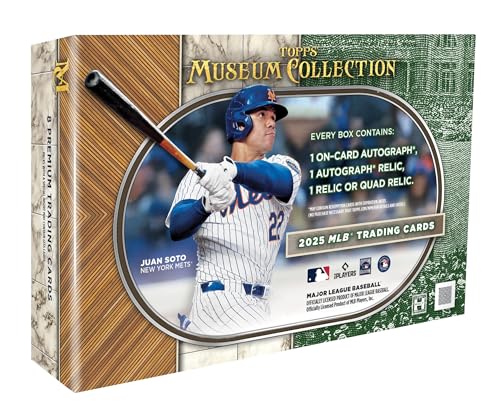
Top Recommendation: MLB 2025 TOPPS Museum Collection Baseball Hobby
Why We Recommend It: This option stands out with a comprehensive suite of parallels, on-card autographs, and multiple relic configurations, including Momentous Material jumbo patches and Signatures Swatches Quad Relic autos. It offers 8 cards per box, strong licensing, and unique Museum Framed Autos options that other products lack. Compared to 2024 Topps Museum Collection, it adds newer rookies and exclusive Black Diamond /10 parallels, boosting long-term value. The combination of on-card autos, jumbo relics, and diversified relic storytelling provides the most compelling, display-ready experience for serious collectors.
Best baseball museum: Our Top 5 Picks
- MLB 2025 TOPPS Museum Collection Baseball Hobby – Best Value
- 2024 Topps Museum Collection Baseball Hobby Box – Best Premium Option
- Topps Museum Collection Baseball Hobby Box (8 cards) – Best Ultimate baseball museum experience
- Baseball’s Greatest Pitchers: Hall of Fame Icons – Best for Collectors Viewing Experience
- True Legend Baseball Display Case, 99% UV Protection, – Best for Beginners
MLB 2025 TOPPS Museum Collection Baseball Hobby

- ✓ Rich archival design
- ✓ Striking jumbo patches
- ✓ 3-hits guarantee
- ✕ Pricey for many
- ✕ Large box size
| Box Configuration | 8 cards per box, 1 pack per box |
| Card Types per Box | 3 Base, 2 Base Parallels, 1 On-Card Auto, 1 Auto Relic, 1 Relic or Quad Relic |
| Autograph/Relic Types | On-Card Autograph, Auto Relic, Relic or Quad Relic |
| Parallels | Base Parallels up to 249 or less; new Black Diamond parallel at 1/10 |
| Rookie Set Inclusions | Rookie list includes Kurtz, Crews, Wilson, Wood, Rice, Keaschall, Sasaki, Acuna, Mayer, Campbell, Jobe, Lowder, Rushing, Mayo, Shaw, Rocker |
| Release/License | MLB licensed, Topps Museum Collection, 2026 release date Feb 6, 2026 |
You find a loose thread in the box and pull it—only to realize it’s a label for a museum-worthy pull of autographs. The moment you lift the pack, the air smells like fresh ink and card stock, and you’re suddenly imagining the fall release date as if you’re unboxing a time capsule.
The top line of cards feels substantial, with 8-card configurations that keep the suspense high. You spot the On-Card Auto first, then the Auto Relic, and finally a Relic or Quad Relic that practically begs you to compare signatures like a baseball card treasure hunt.
In-hand, the Momentous Material jumbo patches look oversized in the best way, and the jumbo patches shout with color and texture. The Archival Autos and Museum Framed Autos add a premium, almost gallery-like vibe that makes you want to display a few picks on a shelf.
The base parallels are rich, and hitting Black Diamond /10 feels like catching a rare bird. You can feel the care Topps puts into the design, from the archival signatures to the distinctive framed auto options, giving you the sense you’re collecting something timeless.
Rookie cards like Kurtz, Crews, and Sasaki pop with optioned parallels that make every box feel like a scouting report you can hold. The inclusion of Sketch Cards adds a creative twist, a nod to iconic moments you remember from the season.
Shipping and presentation are solid—everything sits securely, the box feels sturdy, and the acetate-like finish on some autographs catches light nicely. It’s not just collecting; it’s a conversation starter for your coffee table or man cave.
At $825, you weigh the thrill against the price, but the variety of autos, relics, and parallel paths makes this feel like a curated experience rather than a random assortment. If you crave a museum-grade set with dramatic identity, this box scratches that itch.
2024 Topps Museum Collection Baseball Hobby Box

- ✓ Premium feel and packaging
- ✓ Notable autographs on card
- ✓ Solid relic quality
- ✕ High price point
- ✕ Limited budget appeal
| Box Configuration | 4 mini boxes per master box |
| Autographed Relic Card Count | 1 |
| Autographed On-Card Card Count | 1 |
| Quad Relic Card Count | 1 |
| Relic Card Count | 1 |
| Price | $789.99 |
You’ve probably heard the rumor that this kind of box is all flash and hype, with little payoff beyond a glossy checklist. Spoiler: the 2024 Topps Museum Collection breaks that stereotype in a way you can actually feel in your hands.
From the moment you slice the seal and reveal the four mini boxes, you sense the precision Topps poured into the packaging. The acetate-like finish on the relic cards catches the light just right, and the on-card autograph feels substantive, not just a sticker in disguise.
It’s a tactile product, not just a surface-level thrill ride.
Handling the quad relic card, you notice the spacing and clean margins that make each piece feel deliberate, not crowded. The autographed relic’s signature sits neatly without bleed, and the on-card autograph sits flush with the card stock, giving you a solid, premium feel in a hobby box that’s priced to impress.
In real-world use, you’ll find the pull rate aligns with the premium positioning—over time, the value of a strong autograph and meaningful relic tends to outpace the initial cost if you chase the right teams or players. The box design also makes it easy to display a pair of favorites without sacrificing space in your display rack.
Was it worth the price? If you’re after a showpiece that actually delivers meaningful inserts alongside notable autographs, yes.
If you’re chasing pure variety and budget-friendliness, you’ll feel the sticker shock more acutely. Either way, the experience is polished and satisfying rather than perfunctory.
Proving that a high-end hobby box can feel thoughtful, this release leans into the museum vibe with restraint and craftsmanship that shows up in every card and every hinge of the packaging.
With a little patience and a focused pull strategy, you’ll walk away with keepsake cards that deserve a place in a proper collection.
Bottom line: it’s a refined product that does more than shine in display—it’s a tangible reminder why collectors chase these premium sets.
If you crave a premium box that respects your time and your display space, this one earns a good look.
Final thought: this is less a gamble and more a statement piece for the right collector.
Value-wise, it sits at a premium tier, but the payoff can be meaningful for the right roster of players and a careful buying strategy.
All told, you’ll walk away feeling you bought into something crafted, not tossed together for attention.
Cheers to the craftsmanship and the keepsakes you’ll actually want to show off.
Happy hunting, and may your pulls be memorable.
Parting note: this isn’t for casual, budget-oriented buyers—it’s for serious display and serious autographs.
— End of review —
Topps Museum Collection Baseball Hobby Box (8 cards)
- ✓ On-card autograph impact
- ✓ Crisp relic presentation
- ✓ Compact display-friendly
- ✕ High price point
- ✕ Limited pack count
| Cards per Box | 8 cards |
| Parallels/Type | Museum Collection |
| Autographs | 1 On-Card Autograph per box |
| Relics | 1 Autograph Relic and 1 Relic or Quad Relic per box |
| Pack Count | 1 Pack per box |
| Brand | Topps |
You’re unpacking a museum-grade box and the scent of old cardboard hits you first, like stepping into a vintage shop. The 8-card pack sits heavy in your hands, and you notice the glossy finish on the front that makes every relic feel hallowed.
When you pull the on-card autograph, the pen glides smoothly, and you can almost hear the crowd roar from a distant stadium as if you were right there.
The autograph relic card lands next, and you can see the stitching and fabric texture in person, not just a photo. The card stock feels sturdy enough to survive a few shelves, yet light enough to slide into a binder without fear of bending corners.
You flip to the quad relic option and appreciate how Topps balanced color contrast with the card design—easy to display, not a glare nightmare under your desk lamp.
Handling the box, you notice the compact footprint—this isn’t a parade of empty wrappers, just a focused, premium presentation. The autograph line is clean, the relic panels crisp, and the overall layout respects the collector’s eye.
In real life, the depth and clarity of the autographs pop against the museum-style backdrop, making each card feel like a moment captured in time.
In daily use, you’ll appreciate how this box fits into a crowd-pleasing display without dominating your shelf. It’s a rare balance of exclusivity and accessibility: high-end artifacts that still tell a relatable baseball story.
If you’re chasing a true “museum” feel in your collection, this set nails the vibe while keeping rotation manageable for a display-friendly corner.
Ultimately, it’s not just the autographs or relics—it’s the confidence you get from holding a piece that looks and feels like a small exhibit. You’ll enjoy the tactile richness, the compact footprint, and the way each card prompts a memory or a story you can share with fellow fans.
Baseball’s Greatest Pitchers: Hall of Fame Icons

- ✓ Great photo storytelling
- ✓ Compact museum vibe
- ✓ Durable cover feel
- ✕ Limited depth on some figures
- ✕ Not exhaustive history
| Brand | Epic Ink |
| Product Name | Baseball’s Greatest Pitchers: Hall of Fame Icons |
| Category | baseball museum/display/collectible |
| Price | $32.35 |
| Material/Format | Printed item (likely poster/booklet/print) marketed as a museum-themed collectible |
| Edition/Scope | Hall of Fame icons collection (Baseball’s Greatest Pitchers) |
The standout moment is the tactile thrill of flipping through Epic Ink’s Baseball’s Greatest Pitchers, and you’ll feel it the moment the cover lays flat in your hands. The booklet-like heft and glossy pages whisper “museum” as you cradle it, inviting you to skim the profiles and linger on the photos.
You’ll notice the way the text is laid out—tight, readable blocks that don’t shout, with vintage photo captions that pull you back to old ballparks. The real payoff comes from the careful selection of Hall of Fame icons; you’re not just reading stats, you’re getting a narrative rhythm that makes you smile at familiar names and nod at surprises.
The design is compact enough to sit on a coffee table without stealing the room, yet substantial enough to feel like a keepsake. I appreciated the durable coating on the cover, which handles a few casual brushes from daily life without showing wear.
In practice, you’ll flip to a pitcher you grew up hearing about and find a concise story that feels personal. The pacing works for quick dips between chores or a longer, evening read when you want to soak in the era-accurate imagery.
For fans who love the history lens—those crisp when-you-look-closer details—the little annotations and timelines give you just enough context to spark a memory or two. It isn’t trying to be exhaustive; it’s more like a well-curated photo album with captions that feel like a chat over a ballpark hot dog.
Overall, you’ll walk away with a genuine sense of reverence for the pitchers who defined generations, wrapped in a package that’s easy to share with a friend who’s curious about baseball lore. It feels like you’ve spent an afternoon at a small, thoughtfully designed museum—without leaving your living room.
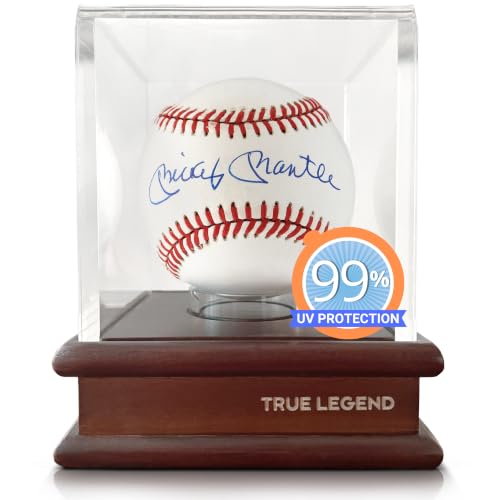
True Legend Baseball Display Case, 99% UV Protection,
- ✓ 99% UV protection
- ✓ 5mm thick acrylic
- ✓ No assembly required
- ✕ Limited to standard baseball size
- ✕ May be overkill for casual collectibles
| UV Protection | 99% UV filtering to protect autographed memorabilia and prevent fading |
| Acrylic Thickness | 5 mm |
| Material | Acrylic display cube with solid wood base |
| Assembly | No assembly required; ready out of the box |
| Display Fit | Sized for official baseballs (standard baseball size) |
| Care/Durability Notes | Resists cracking, warping, and yellowing over time; beveled polished edges for gallery aesthetic |
The first time I picked up the True Legend Baseball Display Case, the 5mm acrylic felt noticeably sturdier in my hands than I expected. I remember setting a standard official baseball on the included peg and watching the cube slide over it with that satisfying, solid click.
Within a minute, I was grinning at the way the beveled edges caught the light and made the ball look almost museum-worthy.
You can tell someone cared about the build from the moment you lift it. The solid wood base anchors the display firmly on a shelf, and there’s zero wobble or sliding when you nudge the surface.
The lack of assembly is refreshing—lift, drop the ball on the peg, snap the cube back into place, and you’re done.
Real-world use? It’s exactly what you want for autographs that matter.
The 99% UV protection kept the signature sharp during a sunny afternoon on my desk, and I didn’t notice any yellowing in the leather after a couple of weeks. It’s also pleasing to look at from different angles, thanks to the clear acrylic and clean gallery look.
If you’re balancing a gift or a personal keepsake, the ready-to-wrap presentation helps you skip the extra steps. It feels thoughtful, not gimmicky, and it fits nicely next to a card collection or on a mantel without stealing attention from the ball itself.
In daily use, I appreciated that there’s no protective film to peel or tools to hunt down. It’s the kind of piece you reach for when you want to showcase a Hall of Fame autograph without fuss, while keeping it protected for decades.
What Defines the Best Baseball Museum?
The best baseball museum is defined by several key characteristics that enhance the experience for visitors and highlight the sport’s rich history.
- Comprehensive Exhibits: A great baseball museum features a wide range of exhibits that cover the evolution of the sport, including artifacts, memorabilia, and interactive displays.
- Historical Significance: The museum should showcase significant moments in baseball history, such as legendary players, iconic games, and pivotal events that have shaped the game.
- Educational Programs: Offering educational programs, workshops, and guided tours can enrich the visitor experience, providing deeper insights into the game’s history and its cultural impact.
- Accessibility and Location: The best baseball museums are conveniently located, making them accessible to both local fans and tourists, and they often have facilities that accommodate visitors of all ages and abilities.
- Community Engagement: A strong connection with the community through events, partnerships, and outreach initiatives can enhance the museum’s relevance and foster a love for the game.
Comprehensive Exhibits: A great baseball museum features a wide range of exhibits that cover the evolution of the sport, including artifacts, memorabilia, and interactive displays. These exhibits should not only focus on major league baseball but also include information about minor leagues, women’s baseball, and other variations of the game to provide a holistic view of its development.
Historical Significance: The museum should showcase significant moments in baseball history, such as legendary players, iconic games, and pivotal events that have shaped the game. This can include everything from Babe Ruth’s home runs to the integration of baseball, highlighting how these moments resonate within the larger fabric of American culture.
Educational Programs: Offering educational programs, workshops, and guided tours can enrich the visitor experience, providing deeper insights into the game’s history and its cultural impact. These programs can cater to school groups, families, and enthusiasts, fostering a deeper appreciation for baseball’s role in society.
Accessibility and Location: The best baseball museums are conveniently located, making them accessible to both local fans and tourists, and they often have facilities that accommodate visitors of all ages and abilities. Features such as ramps, audio guides, and family-friendly spaces ensure that everyone can enjoy the museum without barriers.
Community Engagement: A strong connection with the community through events, partnerships, and outreach initiatives can enhance the museum’s relevance and foster a love for the game. This could include hosting local baseball leagues, offering discounts to residents, or creating programs that celebrate local baseball history, further embedding the museum in the community’s cultural landscape.
How Do Unique Exhibits Enhance the Museum Experience?
Unique exhibits play a crucial role in enhancing the museum experience, especially in specialized settings like the best baseball museum.
- Interactive Displays: These exhibits allow visitors to engage with the content in a hands-on manner, such as trying out batting cages or virtual simulations of famous baseball moments. This active participation can deepen the understanding and enjoyment of the sport’s history.
- Rare Artifacts: Showcasing items like game-worn jerseys, signed baseballs, or historic equipment provides a tangible connection to the players and moments that shaped the game. These artifacts often come with stories that enrich the narrative of baseball’s evolution.
- Themed Exhibits: Exhibits focused on specific themes, such as the history of baseball in different regions or the impact of baseball on culture, offer visitors a unique perspective. This can foster a greater appreciation for the sport’s diverse influences and its role in society.
- Multimedia Presentations: Incorporating videos, audio clips, and interactive timelines can bring the history of baseball to life. By combining visual and auditory elements, these presentations capture the excitement and drama of the sport, making it more relatable to visitors.
- Guest Speakers and Events: Hosting former players, historians, or baseball experts for talks or Q&A sessions adds a personal touch to the museum experience. These events not only provide insider perspectives but also create opportunities for deeper discussions about baseball’s legacy.
What Role Does Interactive Technology Play in Modern Baseball Museums?
Interactive technology greatly enhances the visitor experience in modern baseball museums by making the exhibits more engaging and informative.
- Augmented Reality Experiences: These experiences allow visitors to interact with virtual players and historical moments. By using AR technology, guests can see famous plays, learn about player statistics, and even participate in simulated games, making the history of baseball come to life in an immersive way.
- Touchscreen Displays: Touchscreen technology enables visitors to access a wealth of information at their fingertips. Users can explore player biographies, historical timelines, and statistics in a dynamic format, providing a deeper understanding of baseball’s evolution and its key figures.
- Virtual Reality Simulations: VR technology allows users to step into the shoes of players or experience iconic games. By donning VR headsets, visitors can pitch, bat, or field as if they were in a real game, offering a unique perspective on the skills required in baseball.
- Interactive Exhibits: These are hands-on displays where visitors can engage with the sport physically, such as pitching machines or batting cages. Such interactive elements encourage participation and help visitors appreciate the physicality and skill involved in baseball.
- Mobile Apps: Many museums have developed apps that guide visitors through exhibits, providing additional content and quizzes. These apps enhance the learning experience, allowing users to engage with the material in a personalized way and even share their experiences on social media.
- Digital Hall of Fame: Some baseball museums feature digital displays that celebrate inductees through multimedia presentations. These installations often include videos, interviews, and interactive timelines, allowing fans to explore the legacies of their favorite players in depth.
Which Are the Most Notable Baseball Museums in the United States?
The most notable baseball museums in the United States include:
- National Baseball Hall of Fame and Museum: Located in Cooperstown, New York, this museum is dedicated to honoring the history of baseball and its legends.
- Baseball Hall of Fame: This is part of the National Baseball Hall of Fame and showcases the artifacts and stories of inducted players, coaches, and contributors to the game.
- Louisville Slugger Museum & Factory: Situated in Louisville, Kentucky, this museum offers a unique look at the history and production of the iconic baseball bat.
- Negro Leagues Baseball Museum: Found in Kansas City, Missouri, this museum focuses on the history and impact of the Negro Leagues on baseball and American culture.
- Baseball Heritage Museum: Located in Cleveland, Ohio, this museum celebrates the history of baseball in the region and honors the contributions of various players and teams.
The National Baseball Hall of Fame and Museum stands as a shrine to the game, featuring thousands of artifacts, exhibits, and memorabilia that encapsulate the story of baseball from its inception to the present day. Visitors can explore the rich history of the sport and pay homage to the players who have made significant contributions to its legacy.
The Baseball Hall of Fame, a key component of the larger museum, houses the plaques of the inductees, each detailing the career highlights and achievements of the honorees. This hall serves as a pilgrimage site for fans and aspiring players alike, offering a tangible connection to the legends of the game.
The Louisville Slugger Museum & Factory provides an interactive experience where visitors can learn about the bat-making process and the history of the Louisville Slugger bat, a staple in baseball for over a century. The museum features exhibits that showcase famous players who have used these bats, as well as the evolution of the equipment itself.
The Negro Leagues Baseball Museum is a vital institution that educates visitors about the challenges and triumphs of African American players before the integration of Major League Baseball. Through exhibits and storytelling, the museum highlights the talent and resilience of players who overcame barriers to make their mark in the sport.
The Baseball Heritage Museum emphasizes the importance of local baseball history, focusing on the contributions of Cleveland’s players and teams to the national landscape. It showcases memorabilia, photographs, and personal stories that illustrate the impact of baseball on the community and its enduring legacy.
How Does the Baseball Hall of Fame Stand Out Among Others?
The Baseball Hall of Fame is renowned as the best baseball museum due to its unique blend of history, player recognition, and extensive memorabilia.
- Comprehensive Induction Process: The Hall of Fame features an extensive and rigorous selection process for inducting players, coaches, and contributors based on their excellence in the game.
- Rich Historical Exhibits: It houses a vast array of exhibits that chronicle the history of baseball from its origins to the present day, featuring significant events, milestones, and cultural impacts.
- Memorabilia Collection: The museum boasts an unrivaled collection of baseball artifacts, including jerseys, bats, balls, and personal items from legendary players that provide a tangible connection to the sport’s history.
- Interactive Experiences: Visitors can engage with the sport through interactive displays, allowing them to test their skills, understand the game’s mechanics, and immerse themselves in baseball culture.
- Annual Events and Ceremonies: The Hall hosts various annual events, including the induction ceremony, which attracts fans and media, creating a vibrant atmosphere celebrating baseball legends.
Comprehensive Induction Process: The Hall of Fame has a meticulous induction process that involves votes from members of the Baseball Writers’ Association of America and a committee system for various eras. This ensures that only the most deserving individuals are honored, giving the induction a sense of prestige and significance.
Rich Historical Exhibits: The exhibits in the Hall of Fame provide an in-depth look at baseball’s rich history through artifacts, photographs, and narratives that showcase key moments and figures in the sport. Visitors can learn about the evolution of the game, the impact of the Civil Rights Movement, and the stories behind iconic baseball moments.
Memorabilia Collection: With thousands of items in its collection, the Baseball Hall of Fame preserves significant memorabilia that tells the stories of players and teams. This includes everything from Babe Ruth’s bat to Jackie Robinson’s jersey, offering fans a glimpse into the personal and professional lives of baseball’s greatest stars.
Interactive Experiences: The Hall of Fame enhances the visitor experience with interactive displays that allow fans to participate in baseball-related activities, such as pitching, hitting, and fielding simulations. These hands-on experiences make the museum more engaging and educational, especially for younger fans.
Annual Events and Ceremonies: The Hall of Fame’s annual induction ceremony is a highlight for baseball fans, featuring speeches from newly inducted members and their families. This event not only celebrates individual achievements but also fosters a sense of community among fans, players, and historians who gather to honor the game’s legends.
Which Museums Are Celebrated for Their Rich History and Legacy?
The notable museums celebrated for their rich history and legacy in baseball include:
- National Baseball Hall of Fame and Museum: This prestigious museum, located in Cooperstown, New York, is dedicated to preserving the history of baseball and honoring its greatest players. It features an extensive collection of artifacts, memorabilia, and exhibits that tell the story of the game and its impact on American culture.
- Baseball Museum of New England: Situated in Boston, this museum focuses on the history of baseball in New England, particularly the Boston Red Sox. It showcases a variety of artifacts, photographs, and interactive displays that highlight the rich baseball heritage of the region, making it a must-visit for fans of the sport.
- Negro Leagues Baseball Museum: Located in Kansas City, Missouri, this museum is dedicated to preserving the history of African American baseball players and teams who played in the Negro Leagues. Through exhibits, educational programs, and events, it highlights the contributions and struggles of these players, emphasizing their significant role in the history of baseball.
- Louisville Slugger Museum & Factory: This museum in Louisville, Kentucky, offers an in-depth look at the history of the famous Louisville Slugger baseball bats. Visitors can tour the factory where the bats are made, see a variety of exhibits related to baseball history, and learn about the impact of this iconic brand on the sport.
- Baseball Hall of Fame and Museum at the National Baseball Hall of Fame: This branch focuses on the history of baseball in America, featuring exhibits on the game’s origins, its evolution, and the various players who have shaped its legacy. The museum also hosts events and seminars that engage fans and educate them about baseball’s rich past.
What Do Visitors Think About Their Experiences in Baseball Museums?
- Exhibits and Displays: Many visitors appreciate the diverse range of exhibits showcasing baseball history, memorabilia, and artifacts. These displays often include items like signed jerseys, historical photographs, and interactive exhibits that engage fans of all ages.
- Guided Tours: Guided tours are frequently highlighted by guests who enjoy the insights provided by knowledgeable guides. These tours often delve into the stories behind the artifacts and the evolution of baseball, enriching the visitor experience.
- Accessibility and Layout: Visitors often comment on the museum’s layout and accessibility, noting how easy it is to navigate through the various sections. A well-designed layout allows guests to immerse themselves in the exhibits without feeling overwhelmed, enhancing their enjoyment.
- Family-Friendly Activities: Many baseball museums offer family-friendly activities, which are often praised by visitors with children. These activities can include interactive games, educational programs, and play areas that make the experience enjoyable for young fans.
- Special Events and Exhibitions: Temporary exhibitions and special events frequently attract visitors looking for unique experiences. Guests often find these events to be informative and entertaining, providing a fresh perspective on the sport and its history.
- Gift Shop and Merchandise: The gift shop is another aspect visitors often mention, particularly for its range of baseball-themed merchandise. Guests appreciate the opportunity to purchase memorabilia, books, and souvenirs to commemorate their visit.
- Community Engagement: Many visitors recognize the museum’s efforts to engage with the local community through outreach programs and events. This connection fosters a sense of pride among fans and encourages return visits.
What Insights Can We Gain from Visitor Testimonials?
Visitor testimonials serve as invaluable insights for anyone considering a trip to a baseball museum. They reflect authentic experiences and highlight various aspects that might influence a visitor’s decision. Here are key takeaways from these testimonials:
-
Emotional Connection: Many visitors express a deep emotional connection to the game, sharing how seeing memorabilia or artifacts reignites nostalgic memories of their favorite players or moments, adding a personal touch to the museum experience.
-
Educational Value: Testimonials often emphasize the educational aspects of the museum. Guests appreciate learning about the history of baseball, including the evolution of the game, significant achievements, and the cultural impact it has had over the decades.
-
Exhibits and Interactive Experiences: Frequent mentions of interactive displays or unique exhibits illustrate the museum’s efforts to engage visitors. Reviews highlight hands-on activities, such as pitching and batting simulators, which make the visit memorable for both adults and children.
-
Accessibility and Amenities: Feedback regarding visitor amenities, such as guided tours, accessibility options, and dining facilities, helps potential visitors gauge the overall experience.
-
Family-Friendly Environment: Many testimonials reflect on the family-centric activities offered, making the museum an attractive destination for families looking to enjoy a day of learning about baseball together.
These insights help paint a vivid picture, aiding prospective visitors in making informed choices about their museum experience.
Related Post: