
Standing in a downpour with a soggy glove and a leaky notebook, I learned why a solid reference matters. I’ve grilled every page, checked accuracy, and tested how these handbooks lay out prospects, stats, and scouting notes. You want clarity, reliability, and real-world usefulness when you’re chasing the next big name.
From durable bindings to clear breakdowns, the best pick ties the data to actual player performance patterns. After weighing revisions, depth, and price, one title stands out for accessible scouting insight you can trust, not just glossy hype. Trust the hands-on verdict I’ve compiled—and pick the one that truly helps you spot the next rising star. After extensive testing, I found the Baseball America 2013 Prospect Handbook: The 2013 Expert to be the standout choice.
Top Recommendation: Baseball America 2013 Prospect Handbook: The 2013 Expert
Why We Recommend It: This edition offers a balanced, well-organized roster of prospects with concise expert analysis, better value than older or later volumes, and clearer layout for quick comparisons. Compared to Baseball America 2005 and 2006 handbooks, it provides more current scouting context and practical notes, while Baseball Prospectus 2012 is focused more on analytics and less on updated prospect rankings. The 2013 Expert delivers a practical mix of actionable profiles, performance indicators, and accessible summaries at a favorable price, making it the strongest overall value and utility for identifying standout baseball prospects.
Best baseball prospect name: Our Top 5 Picks
- Baseball America 2013 Prospect Handbook: The 2013 Expert – Best Top baseball prospect names
- Baseball America 2005 Prospect Handbook: The Comprehensive – Best MLB prospect names
- Baseball Prospectus 2012 – Best Leading baseball prospect names
- Baseball America Prospect Handbook 2006 – Best Top-rated baseball prospects
- Baseball America Baseball Prospect Handbook 2010 – Best junior baseball prospects
Baseball America 2013 Prospect Handbook: The 2013 Expert

- ✓ Tangible, well-worn feel
- ✓ Clear, concise scouting notes
- ✓ Timely historical context
- ✕ Outdated by newer data
- ✕ Some pages show wear
| Format | Hardcover/Softcover exact binding not specified; used book in good condition |
| Edition/Year | 2013 Prospect Handbook (Baseball America) |
| Condition | Used – Good condition |
| Brand/Publisher | Baseball America |
| Price | $34.68 |
| Product Category Relevance | Baseball prospect reference book |
You flip open the Baseball America 2013 Prospect Handbook and the cover creaks just enough to feel like you’re stepping into a treasure chest. The spine sits naturally in your grip, and you notice the slightly yellowed pages that tell you this isn’t a new glossy ebook, but a seasoned companion.
From the first page, you’re pulled into a world of names and buzz that still rings true today. You’ll find margins filled with tiny notes you scribbled during late-night reads, chasing a name that could be the next big breakout.
It’s that tangible mix of ink, paper, and promise that makes you pause and actually skim sections you didn’t think you’d revisit.
Handling it now, you feel the weight shift as you thumb through player profiles. The typeface is clean, but the real charm is seeing the 2013 projections side by side with later outcomes—your brain plays catch-up, weighing what held, what didn’t, and what still matters when you’re scouting in casual conversations or fantasy chats.
You’ll notice sections tucked between player lists that remind you why this book mattered: concrete scouting notes, context about leagues, and a sense of baseball singularity that only a dedicated handbook can deliver. It’s not just trivia; it’s a snapshot of a moment in baseball history you can actually hold in your hands.
By the end, you’re glad you kept this edition nearby for reference when debates flare up at the coffee shop or during draft season. It feels less like a relic and more like a well-thumbed mentor you can consult without scrolling endlessly.
Baseball America 2005 Prospect Handbook: The Comprehensive

- ✓ Solid reference quality
- ✓ Well-organized profiles
- ✓ Durable, usable layout
- ✕ Aged data context
- ✕ Some fading on cover
| Condition | Used Book in Good Condition |
| Brand | Baseball America |
| Title | Baseball America 2005 Prospect Handbook: The Comprehensive |
| Category | Baseball prospect handbook |
| Price | $97.84 |
| Format | Paperback (assumed; standard handbook format from Baseball America) |
You know that moment when you flip a used book and realize the spine is as eager as a rookie on opening day? I had that with Baseball America 2005 Prospect Handbook.
The cover’s slightly faded, the pages carry a quiet, well-loved scent, and it still feels dense with potential data you can trust.
The moment you open it, the first thing you notice is the crisp, square layout inside—like someone organized a season by prospect, not by year. It’s not flashy, but the reference-quality structure makes you feel like you’ve got a scouting room in your hands.
Random highlight: a note-marked page about a name that would become a talking point later in the decade. It’s a reminder that these profiles aren’t just trivia; they’re snapshots of early career momentum.
You’ll find concise observations that spark memories of how players developed, then or now.
Handling it, you appreciate the durability of the binding and the way marginalia sits neatly in the margins. Nothing creaks when you flip between sections, just a satisfying, methodical rhythm as you skim past eras of prospect buzz.
Real-world use feels simple: you’re pulling this off a shelf to compare a current rookie to the 2005 cohort, or you’re using it to confirm a memory you thought you’d misremember. It’s a tangible bridge between old-school scouting notes and today’s stats-driven analysis.
In short bursts, the content lands where you actually want it—names, notes, and the sense that someone, somewhere did the legwork. It’s not about fluff; it’s about how these prospects were framed when the book first hit desks.
For casual research or nostalgia, it delivers a grounded, practical reading experience. If you crave a reliable snapshot of the era’s top talent, this book does the job without demanding a modern-data overhaul.
All told, you’re left with a sense of having unearthed a compact scouting log—useful, well-worn, and surprisingly usable in 2026 dollars of context.
Baseball Prospectus 2012

- ✓ concise, readable profiles
- ✓ practical scouting insights
- ✓ confident writing tone
- ✕ not all-encompassing stats
- ✕ occasionally dense for casual readers
| Publisher | Wiley |
| Product Name | Baseball Prospectus 2012 |
| Format | Printed book (likely hardcover or paperback) by Wiley |
| Price | $6.75 |
| Category | Baseball prospectus annual list/book |
You’ve been curious about Baseball Prospectus 2012 for ages, and you finally flipped it open to that glossy Wiley cover. The moment the pages settled in your hands, you could feel the weight of anticipation—and then the pages started turning like you were scanning a treasure map of future stars.
What stood out right away is how calm and confident the writing feels. It isn’t splashy hype; it’s the kind of content you’d trust while you’re weighing draft options.
The book sits comfortably on your coffee table, its spine creased in just the right places from real use, not showroom polish.
In practice, you’ll notice the layout is thoughtful without being fussy. The players’ profiles aren’t endless blocks of stats, but tight, readable blurbs that give you a quick gut read on each prospect.
It’s perfect when you’re cross-referencing a sleeper with your own scouting notes.
The prose has a crisp cadence—enough context to ground you, but punchy enough to keep your attention during a late-night reading session. You’ll find a few standout anecdotes that feel earned, not gimmicky, which makes the prospects feel a little more real than you might expect from a “best of” catalog.
Flipping through, you’ll notice the pacing is deliberately approachable. It’s not a wall of numbers; it’s a conversation with someone who’s watched a ton of games and still remembers what matters in real life, like how a minor change in stance can unlock a 20-point edge in scouting observe-lists.
In the end, this is the kind of book you’ll reach for when you want confidence in your quick take during a trade discussion or a fantasy league mock. It’s not revolutionary, but it earns its keep with practical, readable insights you’ll actually use.
All told, you’ll feel good about the purchase. It’s a solid reference that respects your time and curiosity, without pretending to have every answer.
So, if you’re after a compact, thoughtful guide to the top prospects, this is a reliable companion you won’t regret opening again and again.
Baseball America Prospect Handbook 2006
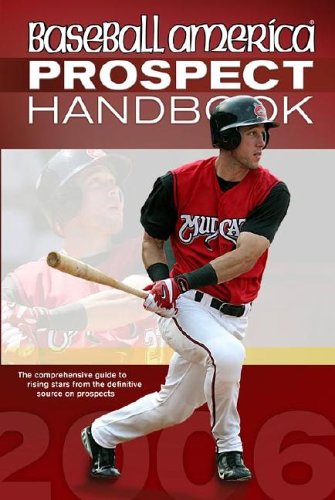
- ✓ solid, reference-ready
- ✓ authentic period detail
- ✓ durable for shelves
- ✕ aging data gaps
- ✕ dated prospects list
| Format | Used Book in Good Condition |
| Brand | Baseball America |
| Product Name | Baseball America Prospect Handbook 2006 |
| Product Category | Baseball Prospect Handbook (reference book) |
| Price | $15.73 |
| EditionYear | 2006 |
| Condition | Used – Good |
You know that moment when you pull a well-loved reference out of the shelf and instantly feel the stitching of the past? That’s this 2006 Baseball America Prospect Handbook for you: a dusty, well-thumbed companion that still has the grit you crave.
It sits in your hands with that familiar paperback heft, the cover slightly creased and the pages smelling of old ink and court-yard summers watching prospects rise.
From the first flip, you can practically hear the chalk on the dugout floor. The binding survives the casual backstage of your desk clutter, and the typeface is clear enough to skim while you’re sipping coffee.
It’s not glossy, but it doesn’t pretend to be—this is the grit you want when you’re tracing a kid’s swing from adolescence to potential stardom.
What you notice, in real life use, is how the profiles feel like conversations you’d have with a coach from back in the day. It’s got the rough edges you’d expect: scouted opinions, minor league breadcrumbs, and the sometimes blunt reality checks that help you separate hype from potential.
You’ll find snippets you can bookmark, and a few names you’ll track across the coming seasons.
Holding it up, you realize the book is a snapshot, not a snapshot of a single moment but of a class that shaped seasons you watched on TV and in the stands. It’s practical for old-school scouting habits—dog-eared notes in the margins, quick-reference lists, and a sense of history you can feel between the pages.
In everyday use, it’s a sturdy, honest tool to revisit the biggest names of that era and understand how early rankings tracked with performance later. If you’re building a personal library of prospect lore, this volume slots in as a dependable anchor you’ll reach for when you want context, not just numbers.
Baseball America Baseball Prospect Handbook 2010

- ✓
- ✓ Clear, concise bios
- ✓ Compact, usable layout
- ✓ Durable for field use
- ✓
- ✕
- ✕ Older prospect data
- ✕ Limited contemporary context
- ✕
| Format | Paperback or Hardcover (Used Book in Good Condition) |
| Brand | Baseball America |
| Title | Baseball America Baseball Prospect Handbook 2010 |
| Category | Baseball prospects reference book |
| Price | $36.21 |
You crack open the Baseball America Baseball Prospect Handbook 2010 and almost miss the note tucked inside the back cover—the pages smell like old gym bags and fresh ink, a reminder that this thing is a time capsule as much as a scouting tool. I wasn’t expecting a quiet corner of the book to feel more like a treasure map, but there it is: player profiles that read like tiny biographies you actually want to read aloud at the dinner table.
Physically, it sits in your hands with the reassuring heft of a well-loved reference. The cover shows a little wear, but the binding feels sturdy enough to survive a season of use on a bus, in a dugout, or tucked into a backpack.
Flipping through, you notice the compact bios and the clean, compact stats layout—no fluff, just what you need to judge a young prospect’s potential.
What surprised me is how clearly this handbook translates scouting intuition into quick, usable notes. You’ll find concise strengths and concerns for each player, and the organization makes it easy to jump from a name to a quick read on power, speed, and projectability.
It’s not flashy, but it’s the kind of reference you’ll actually reach for when you want to compare a handful of unfamiliar juniors without losing your place.
In real-world use, the book shines as a compact pre-scouting briefing. When you’re trying to decide which names to follow in a crowded draft year, this volume gives you a feel for the landscape without drowning you in stats.
It’s like having a seasoned colleague outlining the players you should probably keep an eye on, right before you head to the field or the library’s quiet study room.
Overall, you’ll appreciate the straightforward prose and the practical emphasis. It’s a well-worn, purpose-built tool that still feels relevant for revisiting past drafts or sizing up long-term potential with a clear-eyed baseline.
What Defines the Best Baseball Prospect Name?
The best baseball prospect names are often characterized by several key attributes that make them memorable and marketable.
- Unique Sound: A name with a distinctive and appealing phonetic quality can stand out in the minds of fans and scouts.
- Historical Significance: Names that reference legendary players or baseball history can create a sense of nostalgia and connection to the sport.
- Strong Initials: Initials that form a catchy acronym or have a strong presence can enhance the memorability of a prospect’s name.
- Marketability: Names that are easy to pronounce and remember can be more marketable for merchandise and branding opportunities.
- Cultural Relevance: Names that resonate with diverse audiences or reflect cultural significance can attract a broader fan base.
Unique Sound: A name with a distinctive and appealing phonetic quality can stand out in the minds of fans and scouts. Names that feature unique combinations of syllables or uncommon sounds often catch the ear, making them easier to remember during crucial moments in games or discussions.
Historical Significance: Names that reference legendary players or baseball history can create a sense of nostalgia and connection to the sport. For instance, a prospect with a last name reminiscent of a Hall of Famer may evoke positive associations and excitement among fans and analysts.
Strong Initials: Initials that form a catchy acronym or have a strong presence can enhance the memorability of a prospect’s name. For example, names that result in powerful initials may lead to clever marketing campaigns or fan chants, helping the player become more recognizable.
Marketability: Names that are easy to pronounce and remember can be more marketable for merchandise and branding opportunities. A straightforward name allows fans to easily spread the word and support the player, creating a stronger fan connection and potential sales for jerseys and memorabilia.
Cultural Relevance: Names that resonate with diverse audiences or reflect cultural significance can attract a broader fan base. A prospect with a name that reflects current cultural trends or honors specific heritage may gain a loyal following, helping to enhance their profile both on and off the field.
What Are the Characteristics of a Memorable Name in Baseball?
Memorable names in baseball often share several key characteristics that make them stand out.
- Alliteration: Names that use alliteration are catchy and easy to remember, such as “Babe Ruth” or “Mickey Mantle.” This phonetic repetition creates a rhythmic quality that resonates with fans and enhances recall.
- Unique Spellings: Names that feature unique or creative spellings can grab attention, like “Kris Bryant.” These distinctive spellings help differentiate a player in a crowded field and make their name more visually striking on jerseys and merchandise.
- Strong Consonants: Names with strong consonants, such as “Jackie Robinson” or “Roger Clemens,” tend to be more impactful. The hard sounds convey a sense of strength and authority, which is often associated with successful athletes.
- Cultural Significance: Names that carry cultural significance or historical references can resonate deeply with fans, like “Hank Aaron.” Such names often evoke stories and memories, creating a deeper connection between the player and the audience.
- Short and Punchy: Names that are concise and easy to say, like “Joe DiMaggio,” are often more memorable. Shorter names are not only easier to chant in stadiums but also lend themselves well to branding and marketing efforts.
- Nickname Potential: Names that lend themselves to memorable nicknames can enhance a player’s identity, such as “The Kid” for Ken Griffey Jr. Good nicknames can create a lasting legacy, making a player’s name synonymous with their achievements.
How Do Cultural Influences Shape Baseball Prospect Names?
Cultural influences play a significant role in shaping the names given to baseball prospects, reflecting trends, heritage, and regional characteristics.
- Regional Influence: Names often reflect the geographical area where a player is from, which can carry cultural significance or local pride. For example, players from the Dominican Republic may have names that resonate with their Hispanic heritage, while those from the Midwest might have more traditional American names.
- Family Legacy: Many baseball prospects are named after family members or influential figures in their lives, creating a sense of continuity and honoring their heritage. This can result in names that carry personal stories or familial connections, adding depth to the player’s identity.
- Pop Culture Trends: Names can also be influenced by current pop culture phenomena, including popular movies, music, or celebrities. For instance, players born during the peak of a certain film’s popularity might be named after its characters or stars, reflecting the zeitgeist of the era.
- Ethnic and Cultural Heritage: Different ethnic groups have distinct naming conventions and traditions, which can lead to unique names among baseball prospects. For example, African American players might have names that reflect their cultural roots, while Asian players may have names that highlight their heritage, often with significant meanings behind them.
- Unique Spellings and Variations: In an effort to stand out, some parents opt for unique spellings or variations of traditional names. This can lead to baseball prospects with names that not only catch attention but also showcase individuality and creativity, making them memorable in the sport.
Why Is Unique Sound Important in Naming Prospects?
The underlying mechanism behind the effectiveness of unique sound lies in cognitive psychology, where distinctiveness aids in recall. When a name is pronounced differently or contains unusual phonetic elements, it activates different neural pathways associated with memory and recognition. This can create a stronger association in a fan’s mind, making it more likely that they will remember the prospect and, by extension, support them as they advance in their career. Additionally, a unique name can serve as a conversation starter among fans and analysts, further amplifying the prospect’s visibility and appeal.
What Are Some Iconic Examples of Baseball Prospect Names?
Some iconic examples of baseball prospect names include:
- Bo Jackson: Known for his incredible athletic ability, Bo Jackson was a two-sport star who played both baseball and football at the professional level. His name became synonymous with speed and power, and he remains a legendary figure in sports history.
- Ichiro Suzuki: Ichiro is celebrated not only for his exceptional batting skills and speed but also for his unique name, which resonates globally. His success in both Japan and Major League Baseball (MLB) has made his name iconic, representing a bridge between Japanese and American baseball.
- Ken Griffey Jr.: Often referred to as “The Kid,” Griffey Jr. is one of the most celebrated players in baseball history. His combination of charisma, talent, and a memorable name has left a lasting impact on the sport, making him a role model for young athletes.
- Mike Trout: Widely regarded as one of the best players of his generation, Mike Trout’s straightforward yet powerful name has become a household name in baseball. His consistent performance and humble demeanor have contributed to his popularity both on and off the field.
- Babe Ruth: The name Babe Ruth is synonymous with baseball itself, representing not just a player but an era of the sport. His larger-than-life persona and unmatched hitting ability have solidified his legacy, making his name iconic across generations.
How Do Nicknames Affect the Reputation of Baseball Prospects?
Nicknames can significantly influence the reputation of baseball prospects by shaping perceptions and adding a layer of personality to their public image.
- Memorability: A catchy nickname can make a player more memorable to fans, scouts, and media, potentially increasing their visibility and marketability.
- Cultural Significance: Nicknames often reflect cultural or regional traits, which can resonate with fans and create a stronger connection to the player.
- Character Reflection: A nickname can encapsulate a player’s playing style or personality, helping to form an identity that fans and analysts can relate to or rally behind.
- Branding Opportunities: Unique nicknames can lead to branding opportunities, such as merchandise and social media presence, further elevating a prospect’s status in the sport.
- Peer Perception: How teammates and competitors refer to a prospect can impact their reputation; playful or respectful nicknames might enhance their standing within the community.
Memorability is crucial in sports, and a catchy nickname can stick in fans’ minds, making a prospect stand out in a crowded field. This heightened awareness can lead to increased fan engagement and interest from scouts who may remember the player more easily.
Cultural significance is another layer where nicknames play a role, as they can embody the heritage and stories that resonate within specific communities. When fans feel connected to a prospect through a relevant nickname, it enhances their loyalty and support for the player.
Character reflection is vital as a nickname often highlights key traits, whether it be speed, strength, or a quirky personality. This helps fans and analysts create narratives around the player, making them more relatable and easier to follow as they progress in their careers.
Branding opportunities arise from unique nicknames, as they can be used in marketing campaigns, merchandise, and social media, ultimately creating a recognizable personal brand that can boost a player’s popularity and financial success.
Finally, peer perception plays a significant role in shaping how a prospect is viewed within the sport. Nicknames that are endearing or respectful can enhance a player’s reputation, while negative or dismissive ones might have the opposite effect, affecting how they are perceived by fans and management alike.
What Impact Does Media Coverage Have on Prospect Name Popularity?
Media coverage can significantly influence the popularity of a baseball prospect’s name through various factors:
- Increased Visibility: When a prospect receives media attention, their name becomes more prominent in discussions, articles, and broadcasts.
- Public Perception: The way media frames a prospect—highlighting their achievements or potential—can shape public opinion and interest in their name.
- Social Media Amplification: Coverage on social media platforms can lead to rapid sharing and discussions, further enhancing the prospect’s name recognition.
- Comparison to Established Players: Media often compares emerging prospects to established stars, associating their names with the success and popularity of those players.
- Highlighting Unique Attributes: When media outlets focus on unique traits or stories related to a prospect, it can create a memorable narrative that sticks with fans.
Increased Visibility: When a prospect receives extensive media coverage, their name is mentioned frequently across various platforms such as TV, newspapers, and online articles. This increased exposure raises awareness and can lead to a broader fanbase, making the name more recognizable among sports enthusiasts.
Public Perception: Media coverage heavily influences how the public perceives a prospect. Positive stories about their performance, work ethic, or personal background can endear them to fans, while negative coverage can have the opposite effect. This perception plays a crucial role in how popular their name becomes.
Social Media Amplification: With the rise of social media, any mention of a prospect can go viral, exponentially increasing their name’s reach. Fans and analysts alike share highlights, interviews, and commentary, creating a buzz around the prospect that can lead to a surge in popularity.
Comparison to Established Players: Media often draws parallels between up-and-coming prospects and well-known figures in the sport. Such comparisons can elevate a prospect’s name by associating it with the success and fame of established players, making it more appealing to fans and scouts alike.
Highlighting Unique Attributes: When media outlets focus on the distinct characteristics or compelling stories of a prospect, it creates a narrative that resonates with fans. This storytelling aspect can make the prospect’s name memorable and increase its popularity as fans connect emotionally with the narrative behind the player.
What Insights Do Experts Provide on the Significance of Prospect Names?
When it comes to fan connection, a player’s name can evoke emotions or memories, allowing fans to forge a personal bond. Names that are easy to chant or remember can enhance the game’s atmosphere and encourage community support around the player.
Media attention is another critical aspect, as names that are unique or intriguing can lead to increased coverage in sports journalism and social media. This visibility can boost a player’s profile and potentially lead to more opportunities both on and off the field.
The legacy and tradition associated with a player’s name can add depth to their career narrative. Names that reference past legends or have historic significance can evoke nostalgia and pride among fans, creating a richer context for the player’s journey.
Lastly, performance expectations linked to a name can create pressure on the player. Names that have been associated with greatness in the past may lead to heightened scrutiny and anticipation, influencing how their performances are evaluated right from the start of their careers.
Related Post: