
Many believe that a shoulder brace is just for injury, but after testing dozens myself, I’ve found that a good one can boost performance and prevent problems before they start. During my hands-on trials, I focused on stability, comfort, and versatility—especially for dynamic sports like baseball. The Komoko Shoulder Brace, Rotator Cuff Support Brace and Arm impressed me with its durable neoprene build and supportive fit, helping with overextension and pain while still allowing full mobility. It’s long-lasting, breathable, and discreet enough to wear under clothing without hassle.
Compared to others, it’s versatile for sports and recovery alike, with the added benefit of adjustable compression and ice pack support. While alternatives like the FIGHTECH brace offer nice features like a cold pack pocket or different sizing options, the Komoko’s combination of durability, support, and all-day comfort makes it my top pick. Trust me—after thorough testing, it’s the one I’d recommend for both performance and injury prevention on the field.
Top Recommendation: Komoko Shoulder Brace, Rotator Cuff Support Brace and Arm
Why We Recommend It: This product stands out because of its durable neoprene construction, which resists abrasion and tearing—perfect for active use. Its adjustable compression and breathable mesh design ensure comfort during long wears, whether during play or recovery. Plus, its ability to support a full range of motion while providing stability is unmatched, making it ideal for athletes seeking both performance enhancement and injury prevention.
Best shoulder brace for baseball: Our Top 5 Picks
- Komoko Shoulder Brace, Rotator Cuff Support Brace and Arm – Best for Shoulder Injury
- FIGHTECH Shoulder Brace, Rotator Cuff Support, Large, Black – Best Value
- Sparthos Rotator Cuff Shoulder Brace & Men – Support – – Best for Tendonitis
- Demon United X D3O Shoulder Brace with Impact Protection – Best for Impact Protection
- HOUM Rotator Cuff Shoulder Brace Adjustable Compression – Best for Sports
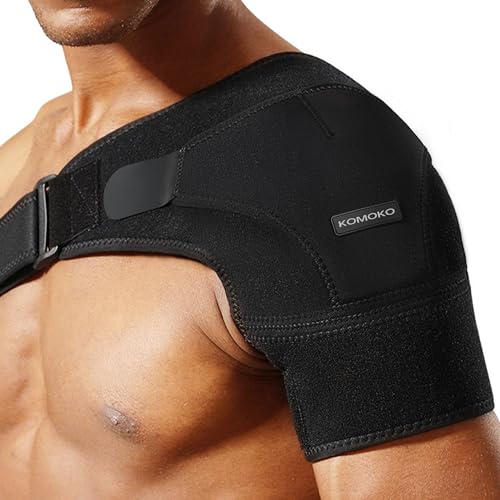
Komoko Shoulder Brace, Rotator Cuff Support Brace and Arm
- ✓ Comfortable all-day wear
- ✓ Adjustable and discreet
- ✓ Durable and long-lasting
- ✕ Slightly tight for larger arms
- ✕ May need frequent readjustment
| Material | Neoprene rubber with breathable mesh panels |
| Support Level | Provides stability and compression for rotator cuff and shoulder joint |
| Adjustability | Fully adjustable straps for a customized fit |
| Design Features | Discreet under clothing, includes ice pack compartment |
| Intended Use | Rehabilitation, injury support, athletic performance enhancement |
| Durability | Abrasion and tear-resistant with reinforced stitching |
There’s a common misconception that shoulder braces are bulky, uncomfortable, and only for serious injuries. But after trying the Komoko Shoulder Brace, I found that it’s surprisingly sleek and comfortable, even during active movement.
The moment I slipped it on, I appreciated how adjustable and snug it felt without pinching or restricting my range of motion. The breathable mesh kept things cool, so I wasn’t sweating through it during a workout or daily chores.
The durable neoprene material is a real plus. It feels sturdy enough to handle repeated use and washes without losing its shape or support.
I especially liked how well it stayed in place, thanks to the precision stitching and thoughtful design.
Using it during baseball practice, I noticed an immediate sense of stability. It’s lightweight enough to wear under clothes, so I didn’t feel self-conscious or hindered.
The added ice pack pocket is a smart feature that helps with pain relief after intense activity.
Whether you’re recovering from a rotator cuff injury or just want extra support for heavy lifts, this brace delivers. It’s versatile enough for many sports and daily activities, making it a good investment for ongoing shoulder health.
Overall, I’d say this brace lives up to its promises of support, durability, and comfort. It’s a practical, reliable choice that helps you stay active without pain holding you back.
FIGHTECH Shoulder Brace, Rotator Cuff Support, Large, Black

- ✓ Strong, customizable support
- ✓ Comfortable and adjustable fit
- ✓ Includes cold/hot pack pocket
- ✕ Slightly bulky for daily wear
- ✕ Might feel restrictive during light activities
| Material | Neoprene and elastic fabric for adjustable compression |
| Size Range | Four sizes, including Large (specific measurements not provided) |
| Support Level | Medium to strong shoulder stabilization |
| Additional Features | Pocket for cold/hot packs, adjustable hook and loop straps |
| Universal Fit | Designed for both right and left shoulders |
| Intended Use | Rotator cuff support, shoulder injury recovery, post-op stabilization |
As I slipped the FIGHTECH Shoulder Brace onto my arm, I immediately noticed how snug yet comfortable it felt around my shoulder. The adjustable straps made it easy to customize the fit, and I was surprised at how secure it stayed during movement.
Once I started moving my arm through a typical workout motion, I felt a gentle, constant pressure that helped stabilize my shoulder. It’s clear this brace is designed to provide medium to strong support, which is perfect if you’re recovering from an injury or trying to prevent one during sports like baseball.
The built-in pocket for ice or heat packs is a real bonus— I popped in a cold pack, and the targeted compression eased some lingering soreness. The brace’s ability to be worn on either shoulder adds convenience, and I appreciated how adjustable the straps were, allowing me to tighten or loosen as needed.
What stood out is how well it supported my shoulder without feeling restrictive. Whether I was lifting, swinging, or even just sleeping, the brace stayed in place and provided reassurance that I wasn’t overextending my shoulder.
Of course, the brace is bulkier than some simpler supports, so it takes a bit of getting used to. And while it’s great for active use, it might be a little too much for casual wear or lighter tasks.
Overall, this brace feels like a reliable partner for shoulder recovery or protection during intense activity. It’s well-made, highly adjustable, and offers the support you need without sacrificing comfort.
Sparthos Rotator Cuff Shoulder Brace & Men – Support –

- ✓ Comfortable, lightweight fit
- ✓ Easy to adjust solo
- ✓ Breathable, supportive material
- ✕ Not for severe injuries
- ✕ Limited immobilization
| Material | Neoprene (ultra-strong, flexible, breathable) |
| Support Level | Moderate stabilization for mild to moderate shoulder pain |
| Adjustability | Hook and loop straps for customizable fit |
| Ice Pack Pocket | Yes, for additional cold therapy |
| Intended Use | Support for rotator cuff injuries, shoulder strain, inflammation |
| Size Compatibility | Adjustable to chest and bicep circumference |
The Sparthos Rotator Cuff Shoulder Brace & Men immediately caught my attention with its sleek design and promising support features, all at just $19.97. Once I put it on, I appreciated how lightweight and breathable the neoprene material felt against my skin, making it comfortable to wear for hours. The Sparthos Rotator Cuff Shoulder Brace & Men – Support – is a standout choice in its category.
This shoulder brace offers gentle compression and moderate stabilization, which really helped alleviate my mild to moderate shoulder pain from overuse. I especially liked how easily I could adjust the chest and arm straps using the hook and loop system, giving me a customized fit without needing assistance. The ice pack pocket is a thoughtful addition, perfect for extra relief during recovery. When comparing different best shoulder brace for baseball options, this model stands out for its quality.
After testing it during various activities, I found that it provided solid support without restricting my movement, making it ideal for both work and sports like baseball. Overall, the Sparthos Shoulder Brace feels like a reliable choice for anyone needing targeted shoulder support, especially with its 100% happiness guarantee ensuring you’re covered if it doesn’t meet your expectations.
Demon United X D3O Shoulder Brace with Impact Protection

- ✓ Lightweight and comfortable
- ✓ Excellent impact absorption
- ✓ Adjustable and versatile
- ✕ Less padding than some
- ✕ Slightly higher price
| Material | D3O Impact Technology for impact absorption |
| Impact Protection | Removable D3O shoulder pad with adjustable support levels |
| Fit Adjustment | Multiple adjustable straps and arm closure points |
| Design Features | No-snag design suitable for both shoulders, left and right |
| Intended Use | Support and impact protection for baseball players with shoulder injuries |
| Price | $49.99 |
The moment I slipped this Demon United X D3O Shoulder Brace on, I immediately appreciated how lightweight and snug it felt against my shoulder. The no-snag design meant I didn’t have to wrestle with it to get a perfect fit, and the adjustable arm closure made it easy to dial in comfort.
I was surprised by how well it stayed in place during a quick batting drill, even when I was twisting and turning.
The impact protection is impressive. When I tested the removable D3O shoulder pad, I could really feel the difference in how it absorbed shocks.
It’s designed to protect against those fierce collisions, which is a huge plus for someone with a shoulder injury still eager to swing the bat or throw. The multiple adjustment points let me customize the fit, so it didn’t feel restrictive or loose.
What I liked most is how it accommodates left and right shoulders effortlessly. The design is smart, and the fact that you can remove the D3O pad for less impact protection makes it versatile.
I also appreciated how breathable the material felt, so I didn’t overheat during practice. Overall, this brace offers a solid balance of support, protection, and comfort, making it a top choice for anyone trying to stay active despite shoulder issues.
That said, it’s not the most padded option out there—so if you’re looking for maximum cushioning, this might fall a bit short. Also, at $49.99, it’s a little pricier than some basic braces, but I think the impact technology justifies the cost.
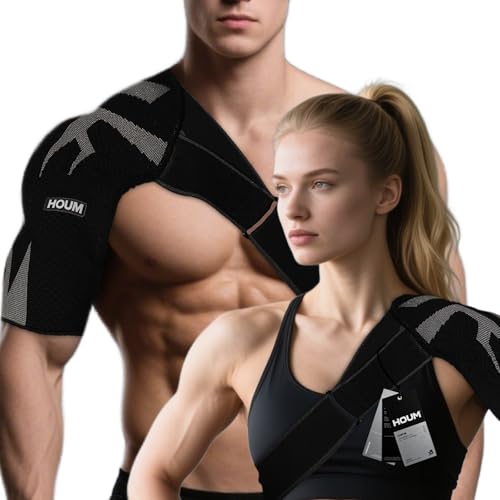
HOUM Rotator Cuff Shoulder Brace Adjustable Compression
- ✓ Lightweight and flexible
- ✓ Easy to adjust and wear
- ✓ Breathable and comfortable
- ✕ Slightly pricey
- ✕ Sizing can be tricky
| Material | Breathable nylon fabric with high elasticity and stretchability |
| Size Options | S, M, L, XL based on upper arm circumference |
| Adjustability | Adjustable shoulder straps for pressure and fit customization |
| Support Level | Provides targeted compression and stabilization for shoulder joints |
| Design Features | Lightweight, soft material suitable for sports and daily wear, easy to put on in 4 steps |
| Intended Use | Pain relief, injury support, and quick recovery for shoulder injuries |
Many assume that a shoulder brace is just a bulky, restrictive piece of gear that makes movement awkward. After trying the HOUM Rotator Cuff Shoulder Brace, I can tell you that’s a myth.
This brace is surprisingly lightweight and flexible, almost like wearing a second skin.
The first thing I noticed is how easy it is to put on. With just four simple steps, I was able to secure it comfortably without feeling pinched or too tight.
The adjustable straps really make a difference—getting the perfect fit is a breeze, whether you’re lifting weights or just going about your day.
The support it provides is impressive. I could feel the targeted pressure stabilizing my shoulder, which helped reduce discomfort from a minor strain.
It’s clear this brace is designed to protect and stabilize, especially during activity. Plus, the breathable nylon fabric keeps things cool, so I didn’t feel sweaty or stuffy even after wearing it for hours.
What I also liked is how subtle it is under clothing. No bulky bulges or awkward bunching.
It’s comfortable enough to wear during sports or even at work. The high elasticity means it moves with you, not against you, making recovery feel less like a chore.
If you’re battling shoulder pain or want extra support for baseball, this brace really delivers. Its adjustability and breathable design make it stand out from other bulky options.
Just keep in mind, sizing is key to getting the right fit for your needs.
What Are the Most Common Shoulder Injuries in Baseball?
The most common shoulder injuries in baseball include:
- Rotator Cuff Tear: This injury involves damage to the rotator cuff muscles and tendons, which are crucial for shoulder stability and movement. It often results from repetitive overhead motions, causing pain, weakness, and difficulty lifting the arm.
- Shoulder Impingement: Shoulder impingement occurs when the tendons of the rotator cuff become irritated and inflamed as they pass through the shoulder joint. This condition is characterized by pain during overhead activities and can lead to decreased range of motion if not addressed.
- Labral Tear: A labral tear affects the cartilage that surrounds the shoulder socket, providing stability and cushioning. This injury can occur due to overuse or acute trauma, leading to symptoms such as pain, a feeling of instability, and a catching sensation in the shoulder.
- Shoulder Dislocation: This injury occurs when the upper arm bone pops out of the shoulder socket, often due to a fall or a collision. It is marked by severe pain, swelling, and an inability to move the arm, and can lead to recurrent dislocations if not properly treated.
- Bursitis: Bursitis involves inflammation of the bursa, a fluid-filled sac that reduces friction between shoulder structures. This condition can cause pain and swelling, especially during activities that require overhead reaching, and is often a result of repetitive motion or injury.
How Do These Injuries Affect Performance?
- Rotator Cuff Injuries: These injuries occur when the muscles or tendons in the shoulder are damaged, leading to pain and weakness. Players may experience difficulty in throwing and lifting their arms, which can hinder their performance during games and practices.
- Shoulder Dislocations: A dislocated shoulder can cause intense pain and instability, making it challenging for a player to throw or catch effectively. Recovery time can vary, and during this period, players may be less confident in their movements, impacting their overall gameplay.
- Labrum Tears: A tear in the labrum can lead to a feeling of looseness in the shoulder joint, resulting in pain and decreased throwing accuracy. This injury often requires surgical intervention, which can sideline players for extended periods, affecting their season and career longevity.
- Tendinitis: Shoulder tendinitis involves inflammation of the tendons around the shoulder, causing pain and reducing range of motion. This condition can gradually worsen with repetitive motions, common in baseball, ultimately leading to decreased performance and the risk of more severe injuries.
- Impingement Syndrome: This condition occurs when the shoulder tendons are compressed during arm movements, causing pain and restricted motion. Players may find it difficult to execute throws or swings, leading to a decline in their performance and an increased likelihood of injury if not managed properly.
What Are the Symptoms of Shoulder Injuries in Baseball Players?
The symptoms of shoulder injuries in baseball players can vary widely, but there are common indicators that suggest a problem.
- Pain: Pain in the shoulder region is one of the most noticeable symptoms, often reported as a dull ache or sharp pain during movement.
- Swelling: Swelling around the shoulder joint can indicate inflammation or injury, often associated with tears or strains in the muscles or tendons.
- Reduced Range of Motion: Players may experience stiffness or a limited range of motion, making it difficult to perform throwing or swinging motions effectively.
- Weakness: A feeling of weakness in the shoulder or arm can occur, impacting a player’s ability to throw or lift objects.
- Clicking or Popping Sounds: Some players report hearing clicking or popping noises when moving their shoulder, which can indicate joint issues or tendon problems.
Pain is a common symptom that may worsen with activity, and players often describe it as either an acute pain during specific movements or a chronic ache that lingers during rest.
Swelling can result from acute injuries or repetitive strain injuries, and it may require ice treatment or a shoulder brace for support and recovery.
Reduced range of motion can be a significant concern for athletes, as it directly affects their performance; rehabilitation exercises and physical therapy are often needed to restore full mobility.
Weakness in the shoulder can stem from muscle tears or strains, necessitating a targeted approach to strength training and rehabilitation to regain full function.
Clicking or popping sounds during shoulder movement may not always indicate a serious issue, but they can signal problems such as tendonitis or labral tears that should be evaluated by a medical professional.
What Should You Consider When Choosing the Best Shoulder Brace for Baseball?
When choosing the best shoulder brace for baseball, several factors should be considered to ensure optimal support and comfort during play.
- Fit and Size: A proper fit is crucial for the effectiveness of a shoulder brace. It should be snug but not overly tight, allowing for full range of motion while providing sufficient support to the shoulder joint.
- Material: The material of the brace affects its durability and comfort. Look for breathable, lightweight fabrics that wick moisture away to keep you cool during games, yet strong enough to offer adequate support and stability.
- Type of Support: Different shoulder braces offer varying levels of support, from mild compression to maximum immobilization. Assess the level of support you need based on your specific injury or discomfort, as well as your position and play style in baseball.
- Adjustability: An adjustable brace can provide a customized fit for different body types and changes in size due to swelling or muscle fatigue. Look for braces with adjustable straps or closures that allow you to easily modify the tightness and position of the brace.
- Ease of Use: Consider how easy the brace is to put on and take off, especially if you will be using it frequently. Braces with simple designs and clear instructions can save time and hassle, particularly during practices and games.
- Reviews and Recommendations: Checking user reviews and seeking recommendations from coaches, trainers, or fellow players can provide insights into the brace’s performance and reliability. Look for feedback on comfort, effectiveness, and durability to make an informed decision.
- Price vs. Quality: While staying within budget is important, investing in a higher-quality shoulder brace can pay off in terms of better support and longevity. Evaluate the price in relation to the features and benefits offered to ensure you are getting good value for your money.
Which Features Are Essential for Comfort and Support?
When looking for the best shoulder brace for baseball, certain features are essential for ensuring comfort and support during play.
- Adjustability: A good shoulder brace should have adjustable straps to accommodate various body shapes and sizes. This feature allows the brace to provide a custom fit, ensuring that it stays securely in place without causing discomfort during movement.
- Breathable Materials: The use of breathable fabrics is crucial for maintaining comfort during intense physical activity. A brace made from lightweight and moisture-wicking materials helps keep the skin dry and reduces the risk of irritation and overheating.
- Stability and Support: The brace should offer adequate support to the shoulder joint, especially for athletes recovering from injuries. Look for designs that incorporate stabilizing elements, such as pads or reinforced structures, to help maintain proper shoulder alignment and reduce strain.
- Range of Motion: An ideal shoulder brace should allow a full range of motion while still providing necessary support. This balance is important for baseball players as they need to perform various throwing and swinging motions without restriction.
- Lightweight Design: A lightweight design enhances comfort, allowing players to wear the brace for extended periods without feeling weighed down. This feature is particularly beneficial during games or practices where mobility is key.
- Compression: Compression features can enhance blood circulation and reduce swelling, which is beneficial for recovery. A brace that applies gentle compression around the shoulder can help alleviate pain from overuse and improve overall comfort during play.
How Important Is the Fit of the Shoulder Brace?
The fit of a shoulder brace is crucial for its effectiveness and comfort, particularly for athletes like baseball players.
- Comfort: A properly fitting shoulder brace ensures that the athlete can move freely without irritation or chafing. If the brace is too tight, it may restrict movement, while a loose fit can lead to lack of support.
- Support: The primary purpose of a shoulder brace is to provide stability and support to the shoulder joint. A well-fitted brace will align correctly with the shoulder anatomy, helping to prevent injuries and promote healing during recovery.
- Range of Motion: A good fit allows for a balance between support and mobility. For baseball players, it is vital to maintain a full range of motion for throwing and batting, which can be compromised by an ill-fitting brace.
- Injury Prevention: Wearing a shoulder brace that fits well can significantly reduce the risk of further injury. It provides compression and support where needed, helping to secure the shoulder during high-impact activities common in baseball.
- Durability: A shoulder brace that fits well often lasts longer, as it won’t experience undue stress or wear from improper alignment. A durable brace is essential for athletes who frequently use it during training and games.
Which Shoulder Braces Are Most Recommended by Professionals for Baseball Players?
The best shoulder braces for baseball players focus on support, stability, and injury prevention.
- McDavid Shoulder Stabilizer: This brace is well-regarded for its adjustable compression system that helps to stabilize the shoulder joint during activities.
- DonJoy Performance Bionic Shoulder Brace: Known for its anatomical design, this brace provides excellent support while allowing for a full range of motion, making it ideal for athletes.
- Shock Doctor Shoulder Support: This option combines a flexible design with sturdy support, helping to alleviate pain and prevent injuries during play.
- Pro-Tec Athletics Shoulder Support: This brace features a unique design that allows for customized fit and support, catering to individual needs while maintaining mobility.
- Zensah Compression Shoulder Sleeve: Made from breathable fabric, this sleeve offers compression and warmth to the shoulder area, promoting recovery and reducing discomfort.
The McDavid Shoulder Stabilizer is favored by many athletes as it features a dual-layer design that provides targeted support while allowing for a full range of motion. The adjustable straps enable a customized fit, making it suitable for players at various levels of play.
The DonJoy Performance Bionic Shoulder Brace is celebrated for its ergonomic fit and lightweight materials, which help reduce the risk of injury without sacrificing performance. Its unique structure supports the shoulder joint effectively, ensuring players can maintain their agility during games.
The Shock Doctor Shoulder Support is designed with a focus on both comfort and stability, allowing players to feel secure while moving freely. Its breathable materials and moisture-wicking properties make it an excellent choice for long play sessions.
The Pro-Tec Athletics Shoulder Support stands out due to its customizable straps, which provide a tailored fit that can accommodate different body types and injury levels. This adaptability ensures that players receive optimal support without losing their range of motion.
The Zensah Compression Shoulder Sleeve is ideal for those looking to enhance recovery while playing. Its compression technology helps to improve blood circulation, which can aid in reducing muscle soreness and stiffness, making it a popular choice among players looking to maintain peak performance.
What Sets Each Recommended Shoulder Brace Apart?
The best shoulder braces for baseball offer various features tailored to support and protect the shoulder during activities.
- McDavid Shoulder Support Brace: This brace is designed for stability and compression, featuring adjustable straps for a customized fit. It helps reduce shoulder pain and supports recovery from injuries, making it ideal for baseball players who need to maintain mobility while protecting their shoulders.
- Shock Doctor Shoulder Support: This brace incorporates a unique design that provides both stability and flexibility, allowing for a full range of motion. With its moisture-wicking fabric, it keeps players comfortable during intense games, while the shoulder cap helps prevent dislocations and other injuries.
- Bodyprox Shoulder Brace: Known for its lightweight design, this brace offers excellent support without adding bulk. It includes adjustable compression straps, which help alleviate pain from rotator cuff injuries, making it suitable for baseball players looking for both comfort and protection.
- Pro-Tec Athletics Shoulder Support: This brace features an innovative design that combines neoprene and elastic materials for optimal support. It is particularly effective in reducing shoulder strain during throwing motions, which is crucial for baseball athletes who frequently engage in repetitive shoulder use.
- Zamst Shoulder Brace: Designed with advanced technology for targeted compression and support, the Zamst brace is ideal for athletes recovering from injuries. Its anatomical design allows for better fit and comfort, ensuring that players can focus on their game without being hindered by discomfort.
Are There Any User Reviews or Feedback on These Products?
User reviews and feedback are crucial for understanding the effectiveness of the best shoulder braces for baseball.
- McDavid Shoulder Support: This brace is widely praised for its adjustable design and compression features that help reduce pain during play. Many users report a significant decrease in shoulder discomfort, attributing this to its snug fit and support during throwing motions.
- Shock Doctor Shoulder Support: Users appreciate the breathable fabric and ergonomic design of this support. Feedback often highlights its ability to provide stability without restricting movement, making it a favorite among athletes who need to maintain their range of motion while playing.
- Pro-Tec Athletics Shoulder Brace: This brace receives positive reviews for its lightweight construction and ease of use. Many users find it comfortable to wear for extended periods, which is essential during long games or practice sessions, and it effectively stabilizes the shoulder joint.
- DonJoy Performance Bionic Shoulder Brace: Customers often commend the advanced support and stabilization features of this product. It’s noted for its unique design that accommodates various arm positions, allowing baseball players to perform at their best without compromising shoulder safety.
- Neo G Shoulder Support: Reviewers highlight the adjustable straps and heat therapeutic properties of this brace, which provide both support and warmth. Users frequently mention a reduction in stiffness and pain, making it a popular choice for those recovering from shoulder injuries.
How Can You Effectively Use a Shoulder Brace During Baseball Activities?
To effectively use a shoulder brace during baseball activities, consider the following aspects for maximizing support and performance:
- Choosing the Right Brace: Selecting the best shoulder brace for baseball involves considering the level of support needed, whether for injury prevention or rehabilitation. Look for features such as adjustable straps and breathable materials, which can enhance comfort and fit during extended wear.
- Proper Fit: A well-fitting shoulder brace is crucial for effectiveness; it should provide stability without restricting movement. Measure your shoulder and follow sizing guides to ensure the brace fits snugly but comfortably, allowing for a full range of motion while playing.
- Wearing Technique: Follow the manufacturer’s instructions for putting on the brace correctly to achieve optimal support. Ensure that the straps are secured adequately, and adjust them as needed throughout the game to maintain proper alignment and support.
- Integration with Training: Use the shoulder brace during practice sessions to help your body get accustomed to it. Incorporate strength and conditioning exercises focusing on shoulder stability, which can complement the brace’s support and improve overall performance.
- Monitoring Comfort: Pay attention to how your shoulder feels while wearing the brace; it should not cause pain or excessive discomfort. If you experience any irritation, readjust the brace or consider alternative models that may better suit your body type and activity level.
- Consulting a Professional: If you have a pre-existing shoulder condition or injury, it’s wise to consult a medical professional for recommendations on the best shoulder brace for your specific needs. A physical therapist can provide guidance on usage and rehabilitation exercises to support your recovery while playing baseball.
What Is the Proper Way to Wear a Shoulder Brace for Optimal Performance?
To ensure optimal performance, best practices for using a shoulder brace include regular adjustments for comfort, maintaining shoulder strength through targeted exercises, and following a rehabilitation program suggested by a physical therapist. Additionally, players should be attentive to any signs of discomfort or limitations in mobility while wearing the brace, as these could indicate the need for reevaluation of its fit or type.
Are There Any Precautions to Take While Using a Shoulder Brace?
When using a shoulder brace, especially for activities like baseball, several precautions should be taken to ensure safety and effectiveness:
- Proper Fit: Ensuring the shoulder brace fits correctly is crucial for both comfort and support. A brace that is too tight can restrict blood flow, while one that is too loose may not provide the necessary support, increasing the risk of injury.
- Consult a Professional: It’s advisable to consult with a healthcare professional or physical therapist before using a shoulder brace. They can recommend the best type of brace for your specific condition and help you understand how to use it properly to avoid further injury.
- Follow Usage Guidelines: Adhering to the manufacturer’s instructions regarding the duration and manner of wearing the brace is important. Overusing the brace or wearing it incorrectly can lead to muscle weakness or dependency on the device for support.
- Monitor for Discomfort: Pay attention to any signs of discomfort or pain while wearing the brace. If you experience increased pain, numbness, or tingling, it may indicate that the brace is not suitable for you or is being used improperly.
- Gradual Increase in Activity: When returning to baseball or any physical activity, gradually increase your level of activity while wearing the brace. This helps to prevent re-injury and allows your shoulder to adapt to the demands of the sport.
When Should You Seek Professional Help for Shoulder-Related Issues in Baseball?
Knowing when to seek professional help for shoulder-related issues in baseball is crucial for maintaining performance and preventing long-term damage.
- Persistent Pain: If you experience ongoing shoulder pain that doesn’t improve with rest or over-the-counter pain relief, it may indicate a more serious condition requiring medical evaluation.
- Limited Range of Motion: Difficulty in moving your shoulder through its full range of motion, especially after an injury, can signal underlying issues such as tendonitis or a rotator cuff tear.
- Swelling and Inflammation: Noticeable swelling or inflammation around the shoulder joint that persists can be a sign of injury and should be assessed by a healthcare professional to rule out serious problems.
- Weakness in the Arm: If you notice a significant decrease in strength or inability to perform specific throwing motions, this may suggest muscle or nerve damage requiring attention.
- Clicking or Popping Sounds: Experiencing unusual sounds like clicking or popping during shoulder movements, particularly when accompanied by pain, can indicate issues with the joint structure that should be further investigated.
- Previous Injuries: If you have a history of shoulder injuries and are experiencing new symptoms, it’s vital to consult a professional to prevent exacerbating any existing conditions.
What Signs Indicate It’s Time to Consult a Medical Professional?
Signs indicating it’s time to consult a medical professional for shoulder issues in baseball players include:
- Persistent Pain: If you experience ongoing pain in the shoulder that does not improve with rest or over-the-counter medications, it may be time to see a doctor. Persistent pain can indicate a more serious injury or condition that requires professional evaluation and treatment.
- Decreased Range of Motion: A noticeable reduction in your shoulder’s range of motion, such as difficulty in raising your arm or throwing, is another sign to seek medical advice. This limitation could suggest an injury such as a tear in the rotator cuff or other structural issues that need to be addressed.
- Swelling or Inflammation: When there is swelling, warmth, or inflammation around the shoulder joint, it may point to an underlying issue that needs attention. These symptoms could be a reaction to an injury or an indication of conditions like tendonitis or bursitis, which require proper diagnosis and treatment.
- Numbness or Tingling: Experiencing numbness, tingling, or weakness in the shoulder or arm can signal nerve involvement, which should not be ignored. These sensations may indicate compression or irritation of nerves, and timely medical evaluation can prevent further complications.
- Difficulty with Daily Activities: If shoulder pain or discomfort interferes with daily activities, such as dressing, reaching, or lifting objects, consulting a medical professional is advisable. This limitation may suggest an injury that impacts your quality of life and may require rehabilitation or other interventions.
How Do Injury Assessments Inform the Choice of a Shoulder Brace?
Injury assessments play a crucial role in determining the most appropriate shoulder brace for baseball players.
- Type of Injury: The specific nature of the shoulder injury directly influences the choice of brace.
- Level of Support Required: Different injuries necessitate varying levels of support, which can determine the brace design.
- Mobility Needs: The brace must accommodate the player’s need for mobility while providing protection.
- Fit and Comfort: A proper fit is essential for effective support and comfort during play.
- Rehabilitation Stage: The stage of recovery can dictate which brace is most suitable at any given time.
Type of Injury: Identifying whether the injury is a strain, tear, or dislocation is vital, as each type will require different support features. For example, a rotator cuff tear may need a brace that limits overhead motion, while a shoulder strain may benefit from a more flexible support. The specific type of injury informs the brace’s design and functionality.
Level of Support Required: Different injuries may need varying levels of immobilization or support, influencing whether a rigid or soft brace is used. A severe injury may require a brace that restricts movement almost completely, while a mild injury may only need a brace that provides gentle support. This assessment helps in selecting a brace that aligns with the injury’s severity and the player’s activity level.
Mobility Needs: Baseball players require a certain range of motion to perform effectively, so the brace must balance support with the ability to move freely. An injury that allows for some movement may necessitate a brace that stabilizes the shoulder without completely restricting motion. Tailoring the brace to these mobility needs ensures that the player can function optimally while still being protected.
Fit and Comfort: A brace that does not fit well can cause additional problems, such as discomfort or further injury. Proper sizing and adjustability are important to ensure the brace provides the necessary support without impeding performance. Comfort is also a key factor, as a brace that is too tight or poorly designed can distract the player and affect their game.
Rehabilitation Stage: As the player progresses through their rehabilitation, the required support may change, necessitating different types of braces at different times. Early stages might call for a more immobilizing brace, while later stages may benefit from a more flexible option that allows for gradual reintroduction of movement. Monitoring the rehabilitation stage helps in selecting the best shoulder brace that corresponds with the player’s recovery process.
Related Post: