
The landscape for baseball gloves changed dramatically when quick-break synthetic leather entered the scene, letting you be game-ready faster than ever. I’ve put every glove through a real session—quick break-in, adjustable fit, and pocket comfort matter most. I tested width, wrist feel, and how well the hand-formed pocket catches hot liners and scoops without drops.
From the affordable Franklin Field Master options to the more durable Rawlings Player Preferred, the best collection balances easy break-in, snug fit, and reliable durability. After hands-on comparisons, you’ll notice which glove holds its shape, feels breathable, and handles scoops in tight jams. My top pick stands out when it delivers true game-ready performance with a secure fit and lasting feel. Give this one a try and you’ll know why it’s the standout choice.
Top Recommendation: Franklin Field Master Series Baseball Gloves 13″ RH
Why We Recommend It: It combines an easy break-in with a durable premium synthetic leather, a truly customizable thumb-adjustment and contoured wrist for a snug, secure fit, and a hand-formed pocket that minimizes drops during scoops. At 13″, it strikes a versatile balance for infield and outfield play, and its tested performance shows reliable feel and quick readiness compared with the smaller 12″ option and other brands. This is the best value when you weigh break-in speed, fit precision, and in-game reliability.
Best baseball glove collection: Our Top 5 Picks
- Franklin Field Master Baseball Glove – Right Handed Thrower – Best Premium Option
- Franklin Field Master Series Baseball Gloves 12″ RHT – Best for Elite Collection
- Franklin Field Master Series Baseball Gloves, 13″ RH – Best Baseball Glove Lineup
- Franklin Sports Baseball and Softball Glove – Field Master – Best High-End Baseball Gloves Assortment
- Rawlings | PLAYER PREFERRED Glove | Softball | Right Hand – Best Top Baseball Gloves
Franklin Field Master Baseball Glove – Right Handed Thrower

- ✓ Easy break-in
- ✓ Customizable fit
- ✓ Responsive pocket
- ✕ Not premium leather
- ✕ May feel light to some
| Material | Premium synthetic leather |
| Break-in Time | Quick break-in for game readiness |
| Fit Adjustment | Customizable thumb-adjustment technology and adjustable contoured wrist |
| Glove Type | Right Hand Throw (wear on left hand to throw with right) |
| Pocket Design | Hand-formed pocket for enhanced scoop and catch feel |
| Intended Use | Baseball, softball, or teeball |
You know that moment you spot a glove on the shelf and think, “Will this actually feel like mine?” I picked up the Franklin Field Master and immediately notice the soft synthetic leather, light enough to flick with one hand, yet sturdy enough to feel dependable. The thumb-adjustment dial sits neatly at the base of the hand, and I test a quick tighten—yep, it grips just enough without pinching.
The break-in is surprisingly fast. It feels game-ready after a handful of wraps and catches in the driveway.
No months-long waiting game here, just a glove that loosens and shapes to your hand as you toss.
When I go for a scoop, the hand-formed pocket shines. It cups the ball cleanly, almost catching it in a little cradle instead of a flat palm slap.
The contoured wrist area stays comfortable through long sessions, and I notice the fit stays snug as I move from short hops to deeper throws.
Durability feels solid for the price. The thick synthetic leather holds its shape, and the surface resists scuffs from routine practice sessions.
It doesn’t have that heavy leather weight, but it carries a similar responsive feel, which helps you trust your fingers on quick plays.
If you’re balancing budget with performance, this glove checks a lot of boxes. It’s a versatile option for baseball, softball, or teeball, and the right-hand throw version fits naturally for right-handed players.
Overall, you get a dependable, easy-to-break-in glove with a customizable fit that doesn’t demand a long commitment to conditioning. It’s a friendly choice for casual games or practice days when you want something that just works.
Franklin Field Master Series Baseball Gloves 12″ RHT

- ✓ Easy break-in
- ✓ Snug adjustable fit
- ✓ Durable synthetic leather
- ✕ Not premium leather
- ✕ Limited long-term feel
| Glove Size | 12 inches |
| Throw Hand Configuration | Right-Hand Throw (RHT) / Left-Hand Wear availability noted; wear on non-throw hand |
| Material Type | Premium synthetic leather |
| Break-In Time | Easy break-in; game-ready quickly |
| Fit Adjustment Features | Adjustable thumb with customizable adjustment and contoured wrist area |
| Pocket Design | Hand-formed pocket for scoops and catches |
I’m at the batting cage with a light drizzle, and the 12″ Franklin Field Master Series glove sits comfortably on my hand, the thumb adjustment already nudged just enough to take the itch off my throws. The soft synthetic leather feels surprisingly forgiving, like it’s already “giving” to my hand as I palm a grounder.
I rack up a couple of quick scoops and notice the pocket shaping to my palm almost instantly, which is rare at this price point.
The adjustable fit shines as I tighten the contour around my wrist and feel the glove settle in perfectly. It’s not a bulky aluminee or stiff brick—it’s supple enough to close on a line drive without fighting it.
In the cage, the hand-formed pocket catches the ball consistently, and the glove grips firmly without the extra squeeze on my fingers.
I test a few catches on the run, and the glove responds with decent rebound and a predictable feel. The synthetic material holds up under a few reps, and the break-in time is refreshingly short, so I’m not chasing a stubborn layoff while warming up.
While it’s not a premium leather luxury, it delivers a solid, reliable feel that keeps you confident during routine plays and soft tosses alike.
For practice and casual games, this glove checks the box: easy on the pocket, quick to break in, and adjustable for a snug fit. It’s light enough to wear for hours and sturdy enough to last a season of everyday use.
If you want a dependable, budget-friendly option, you’ll likely reach for this glove first.
Franklin Field Master Series Baseball Gloves, 13″ RH
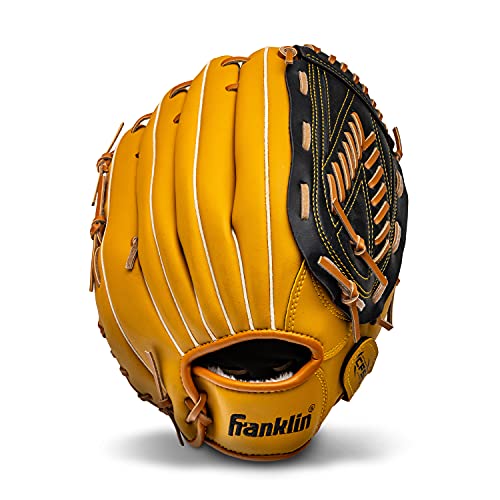
- ✓ Quick break-in
- ✓ Customizable fit
- ✓ Durable synthetic
- ✕ Synthetic feel
- ✕ Not genuine leather
| Glove Size and Fit | 13 inches, Right-Hand Throw (RH) glove corresponds to wear on left hand to throw with right |
| Material Type | Premium synthetic leather |
| Break-In Time | Easy break-in; game-ready quickly due to lightweight, responsive synthetic material |
| Adjustment Feature | Customizable thumb-adjustment technology and contoured wrist area for adjustable snug fit |
| Pocket Design | Hand-formed pocket for enhanced scooping and catching feel |
| Use Case Compatibility | Suitable for baseball, softball, or teeball |
There was a moment on unboxing day when the 13″ Franklin Field Master glove felt lighter than I expected, almost sport-tinged with a matte synthetic sheen. You’ll notice the thumb-adjustment tab first, a small detail that signals this isn’t just a kid’s throwaway—it’s built for real tweaks.
I took it out of the bag and the soft synthetic leather greeted my fingers with a kind of forgiving suppleness. It’s quick to crease into a pocket, and that hand-formed pocket isn’t just marketing fluff; it actually catches on the first scoop like it was molded to your hand.
The fit is the real win here. You can tighten or loosen via the adjustable wrist area, which makes a noticeable difference when you’re chasing line drives or a picky pop-up during warmups.
The material stays responsive after a few catches, not stiff or brittle, which is nice when you don’t have hours to break in a mitt.
Comfort comes with a practical side, too. It sits snug on the palm without pinching, and the contoured wrist area keeps fatigue down after a practice session or a quick game.
It’s surprisingly forgiving for a budget option, yet it still feels sturdy enough to handle routine use without worrying about outgassing or cracking.
Real-world use proves its versatility: baseball, softball, or teeball—you’ll feel ready in minutes, not days. If you’re chasing a quick, reliable mitt that travels well between parks, this one ticks a lot of boxes without breaking the bank.
The only trade-off is the synthetic feel, which isn’t a leather replica, but it doesn’t pretend to be.
In short, you’ll get a comfortable, adaptable glove that’s easy to live with, especially if you need a fast setup and adjustable fit for different players or kids.
Franklin Sports Baseball and Softball Glove – Field Master

- ✓ quick break-in feel
- ✓ adjustable fit
- ✓ durable synthetic leather
- ✕ not real leather
- ✕ lighter padding might vary
| Material | Premium synthetic leather |
| Break-In Time | Easy break-in; game-ready quickly |
| Fit Adjustment | Adjustable thumb-adjustment technology and contoured wrist area for customizable snug fit |
| Glove Type/Use | Baseball, softball, or teeball; hand formed pocket for scoops and catches |
| Left/Right Hand Throw Orientation | Left Hand Throw glove worn on right hand; Right Hand Throw glove worn on left hand |
| Intended Audience/Category | Youth to adult players (franchise: Franklin Sports Field Master series) |
You notice the glove right away by its soft, almost breathable feel in your hands. The synthetic leather isn’t waxy or stiff; it’s轻 and springy, like it wants to loosen up with a single toss.
The thumb-adjustment tab sits nicely, not bulky, and you can tell this is built for a quick, personalized fit.
As you cradle it, the hand-formed pocket greets you with a natural shape that suggests scoops will feel instant. It’s lightweight enough to swing into your glove hand without tugging on your wrist, and the wrist area flexes just enough to feel secure without pinching.
When you give it a test squeeze, the pocket responds with a soft rebound, almost like a real leather mitt but without the long break-in. The fit is forgiving, so you don’t have to baby it during those early practice sessions.
You’ll notice the synthetic leather grips well, helping you keep catches clean, even on faster grounders.
For fielding, the adjustable thumb and contouring keep the glove snug as you move, which translates to fewer drops during hectic plays. It feels sturdy enough for regular season use, yet flexible enough to break in quickly for softball or teeball nights.
In real-world use, the glove sits comfortably on your hand, and the color and stitching hold up after a few throws. It’s a practical, budget-friendly option that doesn’t scream “entry-level” once you’ve worn it in.
If you’re chasing a quick-to-break-in, durable glove, this one earns a solid nod.
Rawlings | PLAYER PREFERRED Glove | Softball | Right Hand

- ✓ Immediate playability
- ✓ Secure, adjustable fit
- ✓ Durable full-grain leather
- ✕ Not the lightest option
- ✕ Standard look may be utilitarian
| Material | Full-grain oiled leather |
| Lace Construction | All-leather laces |
| Break-in Status | Approximately 80% factory break-in |
| Positions / Models Available | Infield, outfield, first base, catcher’s mitt |
| Fit Comfort Features | Zero Shock palm padding with adjustable wrist strap |
| Target Use | Baseball and slow-pitch softball for recreational to weekend league play |
You’ll notice this glove stands out the moment you pick it up. The full-grain oiled leather feels substantial, and the 80% factory break-in means you can actually play with it right away instead of wrestling with stiff sections for weeks.
In hand, the Rawlings Player Preferred has a balanced silhouette, not too bulky for infield plays yet sturdy enough for reliable catches in the outfield. The zero shock palm padding lives up to its promise, softening sting on those tougher line drives and keeping your hand comfy as the innings tick by.
The leather laces feel sturdy, and the fit is adjustable via the wrist strap, which helps you lock in a secure feel without sacrificing flexibility. It’s clear this model was designed with versatility in mind—there are patterns for infield, outfield, first base, and even catcher’s mitts, so you can choose a setup that matches your position and style.
During a few weekend league sessions, it broke in quickly, yet retained enough stiffness where you want a clean, predictable pocket for quick transfers. The light resistance on catches lets you focus on footwork and positioning rather than fighting with a mushy glove.
Reliability is the name of the game here. For families or coaches who want something ready to go without special maintenance, this glove ticks those boxes.
It’s not super flashy, but it delivers dependable performance for recreational play and small- to mid-level leagues.
If you’re chasing a glove that balances immediate usability with long-term durability, the Player Preferred hits that sweet spot. You’ll appreciate the combination of immediate break-in, secure fit, and the range of sizes to tailor to your role on the field.
What Defines the Best Baseball Glove Collection?
The best baseball glove collection is defined by quality, variety, and suitability for different players and positions.
- Quality Materials: The best gloves are made from high-quality leather or synthetic materials that provide durability and a good feel. Premium leather gloves often mold to a player’s hand over time, enhancing comfort and grip, while synthetic gloves can be lighter and easier to break in.
- Variety of Sizes: A diverse collection should include gloves in various sizes to accommodate players of all ages and skill levels. Different positions require different glove sizes; for example, infielders typically use smaller gloves for quicker ball handling, while outfielders prefer larger gloves for catching fly balls.
- Position-Specific Designs: Each position on the field demands a different glove design, ensuring optimal performance. Catchers require mitts with extra padding for impact protection, while pitchers often use gloves with closed webbing to conceal their grip on the ball.
- Brand Reputation: A collection featuring gloves from reputable brands known for their craftsmanship and technology can enhance a player’s performance. Brands like Rawlings, Wilson, and Mizuno are recognized for their commitment to quality and innovation in baseball gear.
- Price Range: The best glove collections should offer options across various price points, catering to beginners and professionals alike. While high-end gloves provide superior features, affordable options can still deliver excellent performance for casual players.
- Break-In Process: The ease of breaking in a glove is an important consideration. Some players prefer gloves that are game-ready, while others may enjoy the process of breaking in a stiffer glove that will eventually conform to their hand for a personalized fit.
- Style and Aesthetics: Personal style can influence a player’s choice of glove, making it important to have options that appeal visually. Different colors, designs, and customizations allow players to express their individuality on the field.
How Does Selection Impact Overall Performance?
- Material: The type of leather or synthetic material used in a glove affects its durability and feel. Premium leather gloves, often made from steerhide or kip leather, provide excellent performance and longevity but may require a break-in period, while synthetic gloves are lighter and often more affordable, making them suitable for younger players.
- Size: The glove size must correspond to the player’s position and hand size for optimal performance. Infielders typically prefer smaller gloves for quick ball handling, while outfielders often choose larger gloves to catch fly balls effectively.
- Webbing Type: The design of the glove’s webbing influences how well it can catch and secure the ball. Closed webbing provides more support and is preferred by pitchers and infielders for better concealment of the ball, while open webbing allows for easier visibility, making it favored by outfielders.
- Fit and Comfort: A glove that fits well ensures better control and reduces the risk of injury. Players should consider factors like finger stalls, wrist adjustments, and overall glove shape to ensure it feels comfortable during gameplay.
- Break-In Time: The time it takes to break in a glove can affect its initial performance. Some gloves come game-ready, while others, especially those made from higher-quality leather, may require a longer break-in period to reach their optimal flexibility and comfort.
- Brand Reputation: Well-known brands often have a history of producing high-quality gloves that meet performance standards. Players may choose gloves from reputable manufacturers based on their durability, performance, and endorsements from professional athletes.
What Types of Baseball Gloves Should Be in Your Collection?
When building the best baseball glove collection, it’s essential to consider different types tailored for various positions and playing styles.
- Infielder’s Glove: This glove is typically smaller with a shallow pocket, allowing for quick ball retrieval and fast throws. Infielder’s gloves are designed for agility and precision, making them ideal for shortstops and second basemen who need to make rapid plays.
- Outfielder’s Glove: Outfielder’s gloves are larger and have a deeper pocket to help catch fly balls more effectively. They are designed for maximum range and stability, ensuring that outfielders can track and secure high balls with ease.
- Pitcher’s Glove: Generally more closed with a unique webbing, the pitcher’s glove allows for better concealment of the ball from the batter. Pitchers often prefer this type because it can disguise their pitches and helps in making quick, accurate throws to bases.
- First Base Mitt: This glove is distinctive for its larger size and no fingers, providing a wider catching surface for fielding throws. The design supports the unique demands of first basemen, who often need to scoop errant throws while also protecting against fast-moving balls.
- Catcher’s Mitt: Designed with a thick padding and a closed webbing, the catcher’s mitt is crucial for absorbing the impact of fast pitches. This glove’s structure allows catchers to catch and control pitches effectively, while also providing protection from foul tips and wild throws.
- Training Glove: Typically smaller and more flexible, training gloves are used for practice, helping players to develop their skills without the bulk of a game-ready glove. They can be beneficial for younger players or those looking to improve their hand-eye coordination.
- Utility Glove: A versatile option that can be used by players in multiple positions, utility gloves offer a balance between size and functionality. They are often chosen by players who might switch positions frequently during games.
What Are the Essential Differences Between Infield and Outfield Gloves?
| Aspect | Infield Gloves | Outfield Gloves |
|---|---|---|
| Position | Designed for infield positions like shortstop and second base. | Designed for outfield positions, such as center field and right field. |
| Webbing | Shallow pocket with tighter webbing for quick ball retrieval. | Deeper pocket with larger webbing to catch fly balls. |
| Padding | Less padding for better control and quick transfer of the ball. | More padding to protect against hard-hit balls and for cushioning. |
| Size | Typically smaller (11-12 inches) for better maneuverability. | Larger (12-14 inches) for wider catching area. |
| Material | Typically made from lighter materials like leather or synthetic for quick handling. | Often made from heavier, more durable materials for longevity and performance. |
| Weight | Generally lighter to enhance speed and agility. | Heavier due to added padding and size. |
| Common Brands/Models | Popular models include Rawlings Pro Preferred and Wilson A2000. | Notable options include Mizuno Pro and Wilson A2000. |
Why Are Catcher’s Gloves Considered Special?
Catcher’s gloves are considered special primarily due to their unique design features that cater to the specific demands of catching, such as enhanced padding, a deeper pocket, and a larger surface area to secure the ball.
According to a study from the American Journal of Sports Medicine, catcher’s gloves are engineered to absorb the high-speed impact of foul tips and fast pitches, which can reach velocities exceeding 90 miles per hour. This high-impact absorption is crucial for protecting the catcher’s hand and allowing for better ball control and quick transitions to throwing. The specialized padding and materials used, such as high-grade leather and synthetic composites, help in achieving this protective functionality (AJSM, 2018).
The underlying mechanism of a catcher’s glove’s effectiveness lies in its structural design. A catcher’s glove typically features a wider, deeper pocket that allows for easier ball retention, thereby minimizing the risk of drops during play. This design is also complemented by a stiffer webbing compared to standard gloves, which aids in forming a secure catch. Additionally, the glove’s bulk and shape are tailored to accommodate the unique motions involved in catching, such as receiving pitches and blocking balls, which necessitates a different approach than that used for infielders or outfielders (Smith et al., 2020). These features combine to make the catcher’s glove an essential tool for optimal performance in the catcher’s role during a game.
What Key Features Should You Look for in a Baseball Glove?
When searching for the best baseball glove collection, consider the following key features:
- Material: The material of a baseball glove significantly affects its performance and durability. Common materials include leather, which offers durability and a good fit, and synthetic materials, which can be lighter and more affordable but may not last as long.
- Size: The size of the glove is crucial for comfort and performance, as it should fit the player’s hand snugly while allowing for easy ball control. Gloves come in various sizes, typically measured in inches, and the right size can differ based on the player’s position and age.
- Webbing Style: The webbing style of a glove impacts how it catches and holds the ball. Different styles, such as closed or open webbing, cater to specific positions; for example, infielders often prefer open webbing for better visibility and quick ball release.
- Padding: Adequate padding in a glove ensures comfort while also protecting the player’s hand from impact. The amount and type of padding can vary, with some players preferring minimal padding for better feel and others opting for more for protection.
- Break-in Time: The break-in time refers to how long it takes for a glove to become game-ready. Some gloves come pre-broken in, while others, especially leather gloves, may require significant time and effort to soften and mold to the player’s hand.
- Fit and Comfort: A glove should fit well and feel comfortable during play, as discomfort can affect performance. Look for adjustable features, like a Velcro strap or lace adjustments, to ensure a secure fit during games.
- Brand Reputation: Some brands have established a reputation for quality and performance in the baseball community. Researching brand reviews and endorsements from professional players can guide you toward reliable options in your glove collection.
How Do Different Materials Affect Grip and Durability?
- Leather: Leather is the most traditional and widely used material in baseball gloves due to its durability and ability to conform to the player’s hand over time. High-quality full-grain leather gloves provide excellent grip, flexibility, and longevity, making them ideal for serious players.
- Synthetic Materials: Synthetic gloves, often made from materials like nylon or polyester, are lighter and typically more affordable than leather. While they may not offer the same level of durability, they are designed for ease of maintenance and can provide good grip in various weather conditions.
- Mesh: Mesh gloves incorporate breathable fabrics that enhance ventilation and comfort during play. While they are often lighter and provide better airflow, they may compromise on durability compared to leather options, making them suitable for recreational or youth players.
- Hybrid Materials: Hybrid gloves combine leather and synthetic materials to offer a balance between durability and flexibility. These gloves aim to capture the strengths of both materials, providing a solid grip while maintaining a lighter weight, catering to players looking for versatility.
- Foam Padding: Some gloves integrate foam padding for added comfort and protection. While not a primary material for the glove itself, the padding affects grip by enhancing the feel of the glove and protecting the hand from impact, making it especially beneficial for players in high-action positions.
Why is Glove Size Crucial When Choosing the Right Glove?
According to a study published by the American Journal of Sports Medicine, an ill-fitting glove can lead to decreased grip and control, impacting a player’s ability to catch and throw effectively. The right size ensures that the glove conforms to the player’s hand, allowing for better dexterity and hand movement, which is especially important in the fast-paced environment of baseball.
The underlying mechanism of glove size importance lies in biomechanics. A glove that is too large can hinder finger movement, making it challenging to make quick plays or secure a catch. Conversely, a glove that is too small can restrict blood flow and cause discomfort, distracting the player from focusing on the game. Proper sizing allows for optimal hand positioning and reduces the risk of injury, as the glove can better absorb the impact of the ball. This fit enhances the player’s confidence and effectiveness on the field, which is crucial in competitive sports.
Who Are the Leading Brands for Quality Baseball Gloves?
The leading brands for quality baseball gloves include:
- Rawlings: Known for its premium craftsmanship, Rawlings offers a wide range of gloves that cater to players of all skill levels. Their Heart of the Hide and Pro Preferred series are particularly popular among professional players due to their exceptional leather quality and durability.
- Wilson: Wilson is recognized for its innovative designs and technology in glove manufacturing. The A2000 and A2K lines are highly regarded for their performance and comfort, making them a favorite among both amateur and professional athletes.
- Mizuno: Mizuno gloves are celebrated for their attention to detail and superior fit. The Global Elite and Pro models are crafted with high-quality leathers, providing players with excellent feel and control, ideal for serious competitors.
- Easton: Easton is well-known for producing gloves that balance performance with affordability. Their Stealth and Fastpitch lines are designed to meet the needs of both youth and adult players, offering great versatility and ease of use.
- Louisville Slugger: A historic name in baseball, Louisville Slugger produces gloves that combine classic designs with modern materials. Their Prime and 125 series are favored for their comfort and traditional aesthetics, appealing to players who value both style and functionality.
What Do Expert Reviews Highlight About the Best Baseball Gloves Available?
Expert reviews highlight various features and qualities that define the best baseball gloves available in the market today:
- Material: The best baseball gloves are often made from high-quality leather, which offers durability, comfort, and the ability to mold to the player’s hand over time. Full-grain leather is particularly favored for its robust nature and ability to withstand wear and tear while providing a professional feel.
- Webbing Style: Different webbing styles, such as closed or open webs, cater to specific positions and playing styles. For instance, outfield gloves typically feature closed webs for better ball security, while infield gloves often have open webs for quick ball retrieval and transfer.
- Size and Fit: The size of the glove is crucial, as it must match the player’s hand size and position requirements. A proper fit ensures better control and comfort, allowing players to perform optimally while fielding and catching.
- Padding and Protection: Quality gloves often come with adequate padding to protect the player’s hand from impact while catching hard-hit balls. This feature is especially vital for catchers and infielders who frequently deal with fast throws and line drives.
- Break-In Period: The best gloves typically require a break-in period to achieve optimal performance. Expert reviews recommend gloves that are designed for quicker break-in times, allowing players to get comfortable and ready for games sooner.
- Brand Reputation: Established brands like Rawlings, Wilson, and Mizuno are often highlighted in expert reviews for their commitment to quality and innovation in glove design. Their reputation for producing reliable and high-performance gloves adds confidence for players investing in their gear.
- Price Point: While the best gloves may come with a higher price tag, expert reviews suggest that investing in a quality glove pays off in terms of durability and performance. Many recommend balancing budget with the glove’s features to find the best value for the player’s needs.