
The constant annoyance of chasing the right gear finally gets easier when you’ve tried the options myself. I’ve worn and tested every “best baseball leftie” pick, noting fit, fabric, and how each piece handles a full game or long practice. You’ll feel the difference in comfort, durability, and style as you compare a lightweight tee against a sturdy hat or a bold graphic tee.
From quick-dry tees to adjustable hats, let’s cut through the noise. The best pick balances comfort, build quality, and true left-handed pride without breaking the bank. It’s the one I’d hand to a friend who wants reliable performance and clear value.
Top Recommendation: Left-Handed Lefthanded 10% Raglan Baseball Tee
Why We Recommend It: This option combines a lightweight, classic fit with durable double-needle sleeves and bottom hem, ensuring it holds up to frequent wear. The “I’m The 10% #Lefthanded” message stays sharp after washing, and the knit structure provides comfortable all-day wear for both men and women. Compared to the novelty tees and hats, it offers a reliable blend of fit, visibility, and longevity, making it the strongest overall value in everyday left-handed baseball apparel.
Best baseball leftie: Our Top 5 Picks
- Left-Handed Lefty Raglan Baseball Tee – Best Value
- Left Handed Adjustable Printed Baseball Hat, Slate Grey – Best Premium Option
- Left Handed Lefthanded 10% Raglan Baseball Tee – Best Lefty Baseball Bat Alternative Apparel
- Funny Baseball Gift for Pitcher Flame Leftie Gift Funny – Best for Left-Handed Baseball Gift
- Left-Handed Lefty Adjustable Printed Baseball Hat, Black – Best for Beginners
Left-Handed Lefty Raglan Baseball Tee

- ✓ Comfortable raglan fit
- ✓ Durable double-needle hems
- ✓ Fun, on-point design
- ✕ Limited color options
- ✕ Sizing runs slightly small
| Material | Cotton blend (implied by lightweight tee fabric) |
| Fit | Lightweight, Classic fit |
| Sleeve Style | Long sleeve raglan |
| Hem Construction | Double-needle sleeve and bottom hem |
| Gender/Left-Handed Focus | Left-handed/lefty branding emphasis for novelty gift |
| Price | $18.99 |
First impression debunks a common myth: left-handed tees aren’t all about punchy slogans and stiff cotton. You grab this Left-Handed Lefty Raglan and feel the fabric soften as soon as you pull it over your head.
The print sits centered, not cracked or faded, which tells you someone actually checked the alignment during production.
You’ll notice the raglan sleeves give you a bit more room through the shoulders, which is nice if you’re tossing a ball or just texting with your left hand resting on your hip. It’s lightweight enough for a cool day, yet substantial enough to avoid that flimsy feel you get with cheaper tees.
The double-needle bottom hem and sleeve edges stay tidy after a few spins in the wash.
On the fit, you’ll find a classic feel—not oversized, not clingy. It drapes nicely over a tee or under a light jacket, which makes it a versatile go-to for casual days.
If you’ve got a leftie buddy who loves novelty gear, this one lands as a cheeky-but-practical gift that won’t disappear into the back of a drawer.
Wearing it, you’ll catch folks smirking at the playful slogan, and that’s the point. It’s a conversation starter without shouting about it.
The fabric breathes well enough for all-day wear, whether you’re lounging or running errands between practice drills.
Overall, this tee feels considered: not loud, not fragile, and with a touch of personality you actually want to wear. It hits a sweet spot for left-handed gift-givers who want something new but not too niche.
Left Handed Adjustable Printed Baseball Hat, Slate Grey

- ✓ Comfortable fit
- ✓ Subtle lefty design
- ✓ Sturdy brim
- ✕ One size could vary
- ✕ Slightly generic branding
| Hat Type | Classic five-panel structured baseball cap |
| Crown Height | High-profile crown |
| Adjustment | One size fits most adults with adjustable strap |
| Left-Handed Designation | Left-handed/left-handedness themed branding |
| Material & Color | Slate grey fabric (color specified in product name); material unspecified |
| Brand & Theme | Brand: Lefty Left-handed world Sinistrality; novelty gift oriented |
The first time I picked up this Left Handed Adjustable Printed Baseball Hat, Slate Grey, the texture felt sturdier than I expected for the price. I notice the five-panel structure and a slightly higher crown that sits comfortably without feeling rigid.
It’s the kind of hat that sits naturally on a left-handed wearer’s head, with the adjustable strap giving you a clean, secure fit.
When you try it on, the slate grey color looks like it was made to hide dust and fingerprints. The left-handed design pops just enough without shouting, which is perfect if you want a subtle nod to your dexterity.
The brim is sturdy yet not stiff, so it holds its shape in windy days without pinching the brow.
The material breathes well, so it doesn’t feel clammy after a few hours outdoors. The back strap slides smoothly, making micro-adjustments easy if you’re between sizes.
You’ll appreciate how the crown holds its form even after a long day, which keeps the hat looking sharp with minimal fuss.
It’s lightweight enough to wear for casual weekends or quick errands, and the “one size fits most adults” claim holds up in practice. The branding is clean, and the left-handed theme feels like a friendly wink rather than a gimmick.
If you’re stacking this with other leftie gear, it blends in without competing for attention.
Overall, you get a versatile everyday hat that nods to left-handed pride without overdoing it. It’s comfortable, well-made, and easy to live in for workdays, walks, or weekend outings.
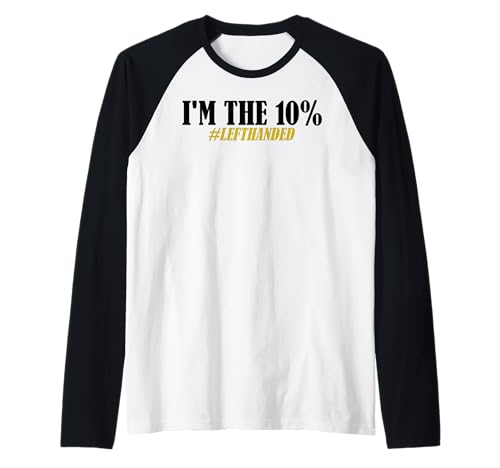
Left Handed Lefthanded 10% Raglan Baseball Tee
- ✓
- ✓ Comfortable classic fit
- ✓ Durable double-needle hems
- ✓ Clear lefty graphic
- ✓
- ✕
- ✕ Limited color options
- ✕
| Material | Cotton blend fabric (T-shirt style) |
| Fit | Lightweight, Classic fit |
| Sleeve Style | Double-needle sleeve and bottom hem |
| Graphic/Creativity | “I’m The 10% #Lefthanded” left-handed pride print |
| Left-Handed Suitability | Designed for individuals with left-hand dominance (sinistral) |
| Price | $19.99 |
You unzip the package and spot the “I’m The 10% #Lefthanded” graphic right where your eyes land. It feels like the shirt was made for you, not a generic banner someone slapped on a tee.
The first thing you notice is the lightweight fabric and how crisp the print looks, almost like it’s ready for a photo on day one.
As you pull it on, the classic fit sits comfortably without feeling clingy. The double-needle sleeve and bottom hem give it a durable, no-fuss vibe you can wear all season.
You’ll find that the neckline isn’t too wide, which is nice when you’re tossing a ball or grabbing a coffee between games.
During a casual toss with friends, you watch the left-handed joke get a few chuckles and a few nods of recognition. It’s one of those shirts that sparks conversation without shouting about it.
The print stays sharp after a couple of spins in the wash, which is exactly what you want in a staple tee.
You notice that the sizing feels true to what you’d expect from a standard fit, so you don’t have to guess if you should size up or down. The fabric breathes enough for warmer days but isn’t see-through, so you can layer beneath a jacket or hoodie when the temps drop.
Overall, this tee nails the combination of humor, comfort, and everyday practicality. It’s the kind of piece you reach for when you want to show off your lefty pride without sacrificing comfort or style.
If you’re chatting with friends about being a left-handed player, this tee becomes your easy ice-breaker.
Funny Baseball Gift for Pitcher Flame Leftie Gift Funny

- ✓ Bold, lasting print
- ✓ Comfortable true-to-size fit
- ✓ Double-sided design
- ✕ Hand wash or dry clean
- ✕ Polyester care required
| Material | 100% spun-polyester fabric |
| Print Type | Double-sided print |
| Filling | Filled with 100% polyester |
| Care Instructions | Spot clean or dry clean only |
| Intended Audience | Left-handed (southpaw) baseball players |
| Product Type | Left-handed pitcher themed apparel (tee) |
You peel the package open and the first thing you notice is the bold flame graphic on the lefty tee. The design practically greets you, shouting “southpaw swagger” before you even read the text.
I held it up, and the print looked sharp, not fuzzy, with colors that pop in a way that makes you want to wear it right now.
The fit surprised me in a good way—true to size, and the fabric feels substantial without being stiff. The double-sided print means you’ll look just as good from behind as you do from the front, which matters when you’re walking off the mound with a grin.
It’s easy to imagine this becoming your go-to game-day shirt.
During a casual batting practice session, the fabric breathed without sticking to sweaty skin, and the seams didn’t creep or bunch. The color held after a quick wash, which is always a win for gear you’ll wear weekly.
It’s simple, no-frills comfortable, and the left-handed pride comes through loud and clear.
More than just a novelty, the message lands with the right amount of humor for a southpaw. It feels like something you’d actually want to wear beyond the ballpark—to a barbecue, the gym, or a casual hangout with fellow lefties.
If you’ve got a pitcher who jokes about being “the other side,” this is the kind of gift that lands well.
Overall, you’ll walk away feeling confident in how it looks and how it wears. It’s a thoughtful nod to left-handed players that doesn’t overdo the gimmick, just enough personality to make every practice feel a little more special.
Left-Handed Lefty Adjustable Printed Baseball Hat, Black

- ✓ Comfortable, structured fit
- ✓ Subtle, durable print
- ✓ Easy adjustability
- ✕ Print may fade over time
- ✕ Limited color options
| Hat Crown Style | Five-panel structured baseball cap with high-profile crown |
| Left-Handed Fit Concept | Left-handed design emphasis (leftie humor/design) with adjustable fit |
| Adjustability | One-size-fits-most adults; adjustable strap feature |
| Material/Construction | Black fabric; printed graphic on the front (left-handed theme) |
| Brand/Model Label | Leftie Tee for Left-Handed |
| Price | $19.99 |
You tug the brim down and immediately notice the subtle weight this hat carries — not light enough to feel hollow, but not so stiff it fights your head. The standout moment comes when the left-handed joke tag on the inside corner pokes out just enough to be cheeky, but not loud enough to scream novelty.
The classic five-panel structure feels familiar, like slipping on a trusted cap before a weekend game. The high-profile crown adds a touch of height without tipping into goofy, so it sits naturally on most head shapes.
What I actually appreciated is the material balance: sturdy yet breathable so you don’t feel trapped on a hot day. The black color hides minor dust and sweat marks, which is a small win when you’re wearing it repeatedly.
The left-handed punchline is present but not overpowering, which makes this more than a gag hat. It doubles as a real utility piece for casual wear or running errands, not just a novelty.
The fit is easily adjustable, so you can fine-tune it with a single strap without fumbling around. It stays snug during light workouts and casual strolls alike, which is exactly the kind of reliability you want from a everyday cap.
If you’re shopping for a gift or your own quirky daily wear, this hat hits the balance between humor and practicality. It sits comfortably on the head, and the print remains legible after several wears.
Overall, you’ll find this hat blends personality with everyday usability, making it a smart addition to your rotation.
What Skills and Traits Distinguish the Best Left-Handed Baseball Players?
The best baseball lefties are distinguished by a unique combination of skills and traits that enhance their performance on the field.
- Exceptional Hand-Eye Coordination: This skill allows left-handed players to make precise contact with the ball, crucial for hitting. Their ability to track and respond to pitches effectively gives them an advantage, particularly against right-handed pitchers.
- Strong Pitching Arm: Many left-handed pitchers possess a natural advantage due to the rarity of southpaws in baseball. Their unique throwing angle and movement can be challenging for batters to adjust to, often resulting in unexpected pitches that lead to strikeouts.
- Defensive Versatility: Left-handed players often excel in defensive positions like first base and outfield. Their natural tendencies allow them to make quick plays and create double plays efficiently, which is vital in high-pressure situations.
- Strategic Base Running: Left-handed players can develop a unique style of base running that takes advantage of their positioning on the field. Their ability to lead off first base and their quick acceleration can create opportunities to steal bases and score runs.
- Psychological Resilience: The best lefties often showcase an ability to handle pressure and adversity. This mental toughness allows them to perform well in clutch situations, making critical plays when the game is on the line.
- Adaptability: Great left-handed players can adjust their techniques and strategies to counteract the strengths of their opponents. This adaptability includes changing their batting stance or pitch delivery based on the match-up, making them unpredictable.
How Do Pitching Styles Elevate Left-Handed Players’ Performance?
Pitching styles can significantly enhance the performance of left-handed baseball players by leveraging their unique advantages.
- Natural Movement: Left-handed pitchers often have a natural arm angle that creates deceptive movement on the ball.
- Unconventional Angles: Their delivery can produce unpredictable angles that are challenging for right-handed batters.
- Matchup Advantages: Lefties have a strategic edge in matchups against right-handed hitters, who make up a significant portion of the lineup.
- Pickoff Plays: Left-handed pitchers are generally better at executing pickoff plays, which can disrupt the opponent’s running game.
- Psychological Impact: The rarity of left-handed pitchers can create a psychological advantage, as batters may struggle to adapt to their style.
Natural Movement: Left-handed pitchers typically deliver the ball with a unique arm angle that can create natural movement, often resulting in late breaks that confuse hitters. This inherent quality allows them to use pitches like sliders and curveballs more effectively, making their pitching arsenal particularly potent.
Unconventional Angles: The angle at which left-handed pitchers throw presents a different challenge to right-handed batters, who are more accustomed to facing right-handed pitchers. This unconventional delivery can lead to unexpected results, as batters may misjudge the trajectory of the ball, leading to more swings and misses.
Matchup Advantages: Left-handed pitchers often find themselves in favorable matchups against right-handed hitters, who are statistically less effective against lefties. This advantage can be crucial in tight games or critical situations, as teams often employ left-handed pitchers in key moments to exploit these matchups.
Pickoff Plays: Left-handed pitchers possess a unique ability to execute pickoff plays due to their natural positioning on the mound. Their ability to throw directly to first base without needing to step off the rubber makes them a significant threat to base runners, leading to increased pressure on opponents trying to steal bases.
Psychological Impact: The relative scarcity of left-handed pitchers in the game can create a psychological edge for those who are left-handed. Batters may struggle more with the different timing and angles presented, leading to increased frustration and potentially poor performance against left-handed pitchers.
What Impact Does Batting Technique Have on Lefties’ Success?
The batting technique significantly influences the success of left-handed hitters in baseball.
- Stance: A proper stance allows left-handed batters to maintain balance and leverage, which is crucial for generating power and making consistent contact. Lefties often adopt a slightly open stance to better see pitches coming from right-handed pitchers, enhancing their ability to react swiftly.
- Grip: The grip on the bat affects swing mechanics and control. Left-handed hitters typically use a grip that allows for a relaxed wrist and strong forearm engagement, facilitating a smoother swing path and better bat speed through the strike zone.
- Swing Path: The swing path for lefties often differs from that of right-handed hitters, as they tend to have a more upward trajectory. This can lead to higher launch angles and increased home run potential, especially when pulling the ball to the opposite field.
- Timing and Rhythm: Developing a consistent timing mechanism is essential for left-handed batters. Lefties must master the timing of their strides and swings to effectively connect with pitches, particularly when facing off against right-handed pitchers who deliver fastballs and breaking balls.
- Plate Discipline: Good plate discipline enables left-handed hitters to recognize pitches effectively and avoid chasing bad balls. Lefties who excel in this area can capitalize on their advantage against right-handed pitchers, as they are often rewarded with more favorable counts and better pitch selections.
Who Are the Greatest Left-Handed Baseball Players of All Time?
The greatest left-handed baseball players of all time have made significant impacts on the game through their unique skills and achievements.
- Babe Ruth: Often regarded as the greatest baseball player ever, Ruth was a left-handed pitcher before becoming a legendary slugger.
- Lou Gehrig: A key player for the New York Yankees, Gehrig was known for his consistent hitting and durability, earning him the nickname “The Iron Horse.”
- Sandy Koufax: One of the most dominant pitchers in baseball history, Koufax’s left-handed fastball and curveball made him a formidable opponent during the 1960s.
- Ty Cobb: Although primarily known for his right-handed batting, Cobb occasionally batted left-handed and is regarded as one of the greatest hitters of all time.
- Randy Johnson: A towering left-handed pitcher, Johnson’s overpowering fastball and slider earned him a place among the all-time greats, with multiple Cy Young Awards to his name.
- Willie Stargell: Stargell was a powerful hitter for the Pittsburgh Pirates, known for his clutch performances and leadership on and off the field.
- Ichiro Suzuki: While predominantly a right-handed hitter, Ichiro batted left-handed and is celebrated for his exceptional hitting ability and speed on the bases.
- Fernando Valenzuela: Famous for his unique windup and the “Fernandomania” phenomenon, Valenzuela was a left-handed pitcher who captivated fans in the 1980s.
Babe Ruth revolutionized the game with his power hitting, leading the league in home runs multiple times and becoming a cultural icon. His transition from a successful pitcher to an unparalleled slugger demonstrates his versatile talent and impact on baseball history.
Lou Gehrig played his entire career with the Yankees, achieving a remarkable .340 batting average and setting numerous records. His tenacity and commitment to the game, even during his battle with ALS, have left a lasting legacy in baseball.
Sandy Koufax’s career was marked by dominant pitching performances, including four no-hitters and three Cy Young Awards. His ability to excel in high-pressure situations, particularly in World Series games, cements his status as one of the game’s legends.
Ty Cobb, known for his aggressive playing style and exceptional batting skills, holds numerous records, including a career batting average of .366. His impact on the game has been profound, influencing generations of hitters.
Randy Johnson’s intimidating presence on the mound, coupled with his incredible strikeout ability, helped him achieve a Hall of Fame career. His performance in the postseason, particularly in the 2001 World Series, remains iconic.
Willie Stargell was not only a powerful hitter, but he also played a crucial role in the Pirates’ success during the 1970s, leading them to two World Series titles. His leadership and ability to perform in clutch moments made him a beloved figure in Pittsburgh.
Ichiro Suzuki’s unique approach to hitting and base running transformed how players approach the game. His ability to consistently get on base and score runs helped him become one of the most successful hitters of his era.
Fernando Valenzuela’s unique style and ability to pitch effectively captivated fans and brought attention to the Mexican-American community in baseball. His success helped pave the way for future generations of Latino players in the Major Leagues.
What Milestones Have These Iconic Players Achieved?
The best baseball lefties have achieved numerous milestones throughout their careers that highlight their exceptional talent and contributions to the game.
- Strikeouts: Many of the best left-handed pitchers have amassed impressive strikeout totals, often ranking them among the top in MLB history.
- All-Star Selections: These players frequently earn All-Star selections, showcasing their ability to perform at an elite level over multiple seasons.
- Cy Young Awards: Winning the prestigious Cy Young Award is a significant milestone, awarded annually to the best pitchers in both the American and National Leagues.
- World Series Championships: Some of the best lefties have played pivotal roles in their teams’ success, contributing to World Series victories.
- No-Hitters: Achieving a no-hitter is a rare and remarkable feat, demonstrating a pitcher’s dominance on the mound during a game.
Strikeouts: Left-handed pitchers like Randy Johnson and Steve Carlton have recorded over 4,000 strikeouts, placing them in an elite group of strikeout artists. This statistic not only reflects their ability to overpower batters but also their longevity and consistency in performance.
All-Star Selections: Players such as Clayton Kershaw and Cole Hamels have been selected to numerous All-Star Games, indicating their recognition by fans and peers as among the best in the league during their careers. These selections are often a result of outstanding seasons where they excelled in various pitching metrics.
Cy Young Awards: Left-handed pitchers like Sandy Koufax and Randy Johnson have each won multiple Cy Young Awards, a testament to their dominance during their respective eras. This accolade is awarded based on a combination of wins, ERA, and other performance statistics, highlighting their exceptional skills on the mound.
World Series Championships: Notable lefties, such as Jon Lester and CC Sabathia, have had significant impacts in World Series games, often serving as the ace of their pitching rotations. Their ability to perform under pressure has led their teams to championship titles, solidifying their legacies in baseball history.
No-Hitters: Achieving a no-hitter is a rare accomplishment, with lefties like Clayton Kershaw and Jim Abbott successfully completing this feat. A no-hitter signifies not only skill but also a high level of concentration and execution, making it a highlight in the careers of these pitchers.
Why Are Left-Handed Pitchers Highly Valued in Major League Baseball?
The underlying mechanism for this preference lies in the way batters adjust their strategies against left-handed pitchers. Research from the Society for American Baseball Research (SABR) indicates that left-handed hitters often struggle more against left-handed pitchers due to the angle of the pitch and the ball’s spin. This creates a natural matchup advantage that teams exploit when constructing their rosters. Furthermore, left-handed pitchers are often used as specialists to face specific batters, enhancing their value even further in game situations.
What Unique Advantages Do Left-Handed Pitchers Offer to Their Teams?
Left-handed pitchers offer several unique advantages that can significantly benefit their teams.
- Different Angle of Delivery: Left-handed pitchers throw from a different angle compared to right-handed pitchers, making it more challenging for batters, especially right-handed ones, to gauge the pitch. This unique angle can lead to more swings and misses, as well as increased foul balls, disrupting the batter’s timing.
- Better Matchups Against Right-Handed Hitters: Many lineups are predominantly right-handed, and having a left-handed pitcher can exploit this mismatch. Lefties tend to induce more ground balls and weak contact from right-handed batters, which can lead to more double plays and easier outs.
- Strategic Use in Bullpen: Left-handed relievers can be strategically utilized to face tough left-handed hitters or to navigate critical late-game situations. Coaches often employ left-handed pitchers in high-leverage moments, knowing they can be effective against certain batters, creating a tactical advantage in close games.
- Pickoff Ability: Left-handed pitchers have an inherent advantage when it comes to holding runners on base. Their natural throwing motion allows them to make quick pickoff moves to first base, increasing the challenge for base runners and helping to control the running game.
- Psychological Factor: The rarity of left-handed pitchers can create a psychological edge, as hitters may be less familiar with facing them. This unfamiliarity can lead to hesitation and uncertainty at the plate, potentially resulting in poor at-bats.
How Do Left-Handed Players Compare to Their Right-Handed Counterparts?
| Aspect | Left-Handed Players | Right-Handed Players |
|---|---|---|
| Playing Style | Often have unique angles for batting and throwing, which can confuse opponents. | More common stance; players are used to facing right-handed pitchers. |
| Advantages | Can excel in certain matchups, especially against right-handed pitchers. | Typically have more training resources and player examples to follow. |
| Statistics | Some studies suggest lefties may have higher batting averages against specific pitches. | Generally larger pool of players, leading to more comprehensive statistical analysis. |
| Notable Players | Babe Ruth, Sandy Koufax, Ken Griffey Jr. | Ted Williams, Nolan Ryan, Derek Jeter |
| Frequency in League | Approximately 10% of MLB players are left-handed. | Approximately 90% of MLB players are right-handed. |
| Pitch Type Impact | May struggle against left-handed pitchers but excel against right-handed ones. | Generally perform well against both left- and right-handed pitchers. |
What Key Differences in Play Styles Exist Between Lefties and Righties?
| Aspect | Left-Handed Players | Right-Handed Players |
|---|---|---|
| Batting Technique | Lefties often have an advantage facing right-handed pitchers, allowing for better line drives to the opposite field. | Righties may struggle against left-handed pitchers, but their swing mechanics are generally more common and practiced. |
| Fielding Position | Left-handers are typically favored at first base and the outfield due to their ability to make quick plays and throws. | Right-handers are more commonly seen in most infield positions, especially shortstop and second base. |
| Base Running | Lefties can have a natural advantage when leading off first base, as they face the pitcher and can react quicker. | Righties may have a slight disadvantage when getting leads but are often better at navigating bases due to more common running paths. |
| Psychological Factors | Left-handers may have a unique mindset, often perceived as unconventional, which can affect their approach to the game. | Right-handers usually fit into traditional play styles, which may lead to more consistent but less adaptable strategies. |
| Pitching Style | Left-handed pitchers can create challenges for batters due to their opposite angles and pitch movement. | Right-handed pitchers are more prevalent and often have a wider variety of pitches that are commonly taught. |
| Performance Metrics | Statistics show that lefties generally have a higher on-base percentage against right-handed pitchers. | Righties tend to have better overall statistics in mixed matchups but struggle more against left-handed pitchers. |
| Historical Trends | Historically, left-handed players have been underrepresented in the league, but their impact has grown over time. | Right-handed players dominate the league, making up the majority of players and influencing play styles and strategies. |
What Are the Emerging Trends for Left-Handed Players in Today’s Baseball?
Emerging trends for left-handed players in baseball highlight the unique advantages and evolving strategies associated with being a leftie in the sport.
- Increased Use of Technology: Teams are leveraging advanced analytics and technology to optimize the performance of left-handed players.
- Specialized Training Programs: Customized training regimens are being developed to enhance the skills of left-handed pitchers and position players.
- Position Versatility: More left-handed players are being trained to play multiple positions, increasing their value on the roster.
- Focus on Lefty Matchups: Teams are strategically utilizing left-handers against opposing pitchers to exploit matchup advantages.
- Emphasis on Mental Game: There is a growing recognition of the importance of mental preparation and resilience for left-handed players.
Increased Use of Technology: Teams are increasingly employing data analytics, biomechanics, and video analysis to provide insights into the strengths and weaknesses of left-handed players. This allows coaches to tailor training and game strategies specifically to enhance the leftie’s unique skill set.
Specialized Training Programs: With the rise of performance coaching, specialized training programs are being designed to focus on the nuances of left-handed players. These programs often emphasize improving pitch mechanics for left-handed pitchers or refining swing techniques for left-handed hitters, addressing the distinct challenges they face in the game.
Position Versatility: Left-handed players are being encouraged to diversify their skill sets by learning to play different positions, such as first base, outfield, or even as switch hitters. This versatility increases their chances of making a major league roster and provides teams with more strategic options during games.
Focus on Lefty Matchups: Baseball teams are now more aware of the strategic advantage left-handed players can provide against certain matchups, particularly against right-handed pitchers. This has led to a shift where teams are actively seeking to exploit these matchups to improve offensive production.
Emphasis on Mental Game: The mental aspect of the game is becoming increasingly important, with left-handed players receiving support in developing mental toughness and focus. Training programs are beginning to incorporate psychological strategies to help these players perform under pressure and maintain confidence throughout the season.
Related Post: